VANUATU
Vanuatu Travel Guide: Islands, Culture and What to Expect
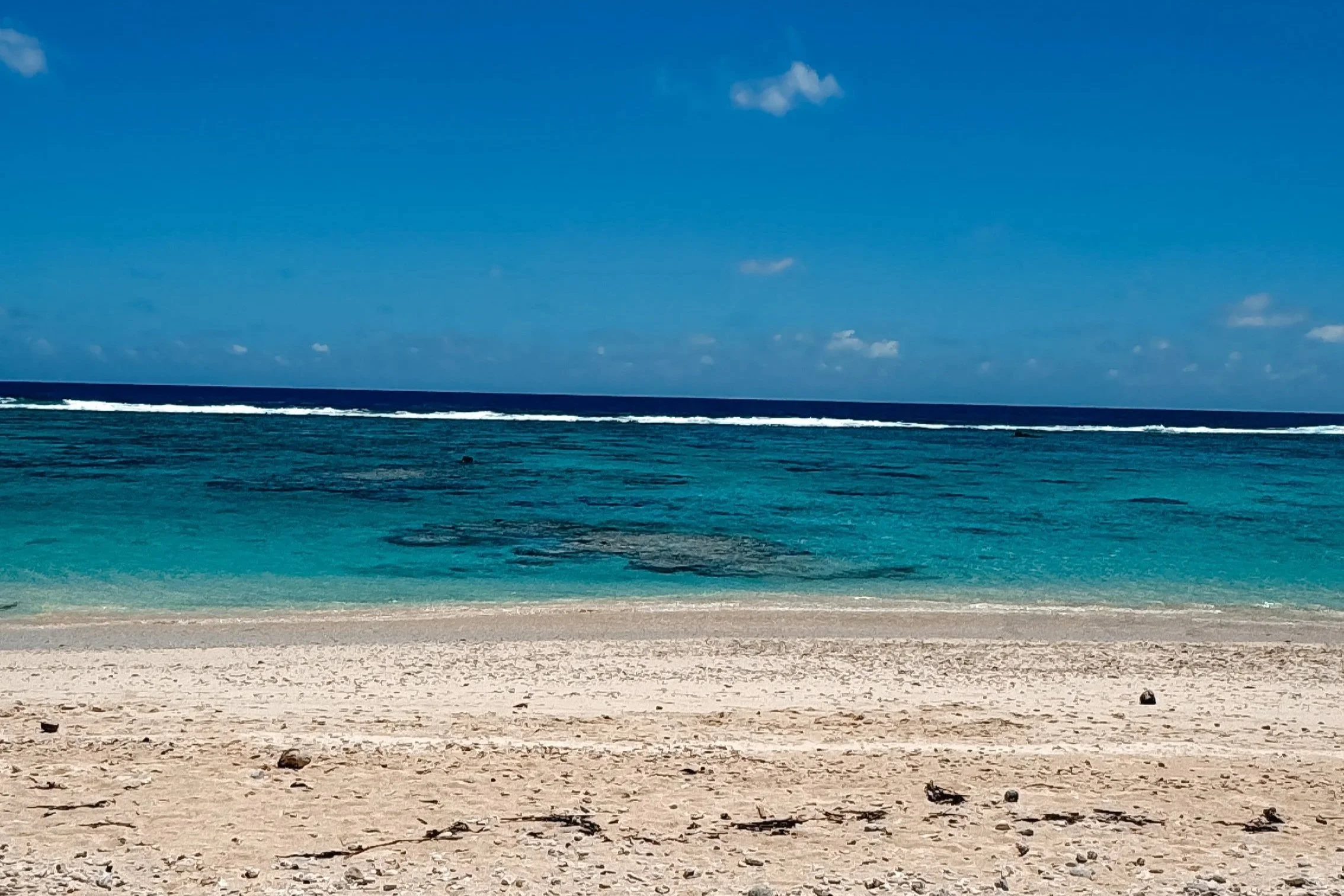
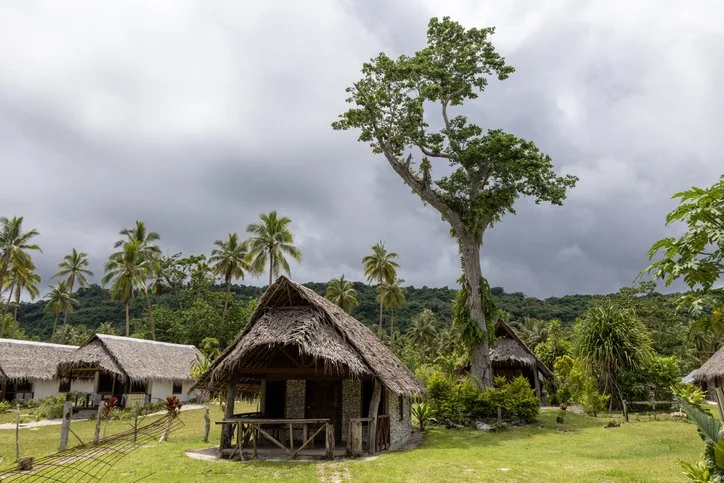
Vanuatu feels like the kind of place people dream about when they picture the South Pacific, but it still has a much more local, unpolished feel than a lot of better-known island destinations. It is made up of scattered volcanic islands, bright blue water, empty beaches, dense jungle, and villages where custom culture is still a real part of everyday life.
I visited Vanuatu not long after a cyclone had passed through, and it honestly changed the way I saw the place. You could see the impact in parts, but what stood out more than anything was the people. Everyone was so welcoming, kind, and genuinely warm. There was this quiet resilience and community spirit that you could feel everywhere, and it made the experience even more meaningful.
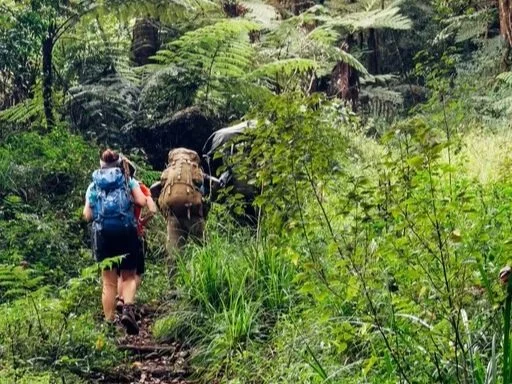
Port Vila on Efate is where most trips begin, but there is a lot more to Vanuatu than just the capital. Around the main island, you can spend your days swimming in clear water, exploring jungle tracks, crossing suspension bridges, or heading out on experiences like this jungle walk and suspension skybridge tour from Port Vila, which gives you a different side of the island beyond the coastline.
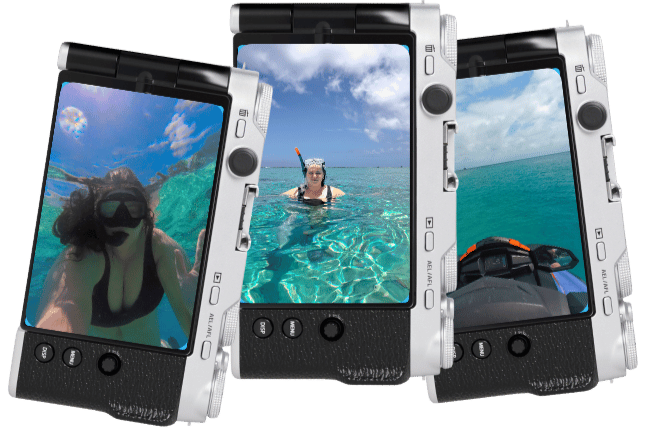
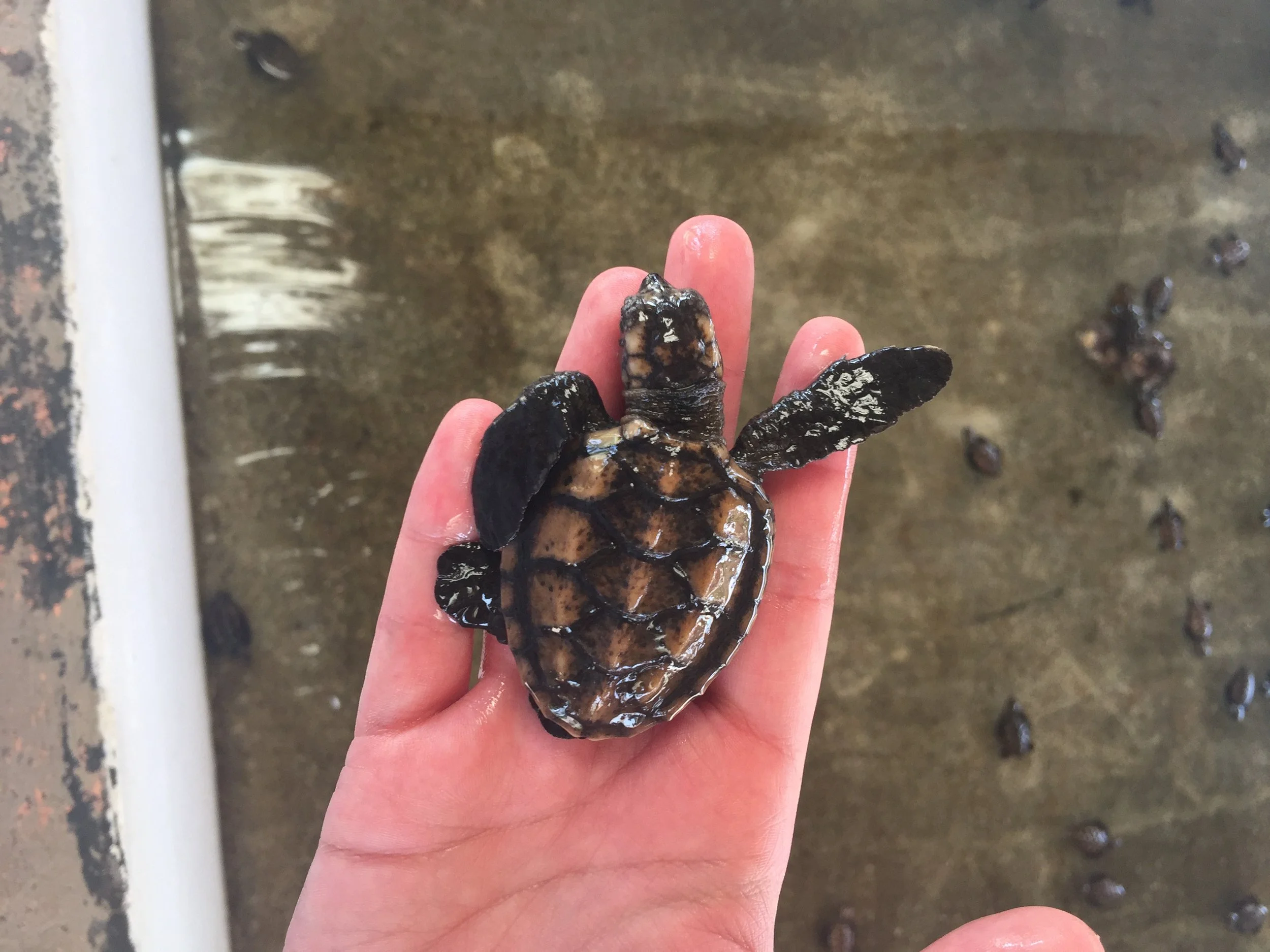
The water is one of the biggest reasons people fall in love with Vanuatu. Snorkelling is a huge part of the experience, with coral reefs, tropical fish, and warm water that is easy to enjoy straight off the beach or by boat. Tours like this turtle and snorkelling tour with lunch are a good way to experience that properly, especially if you want a relaxed day out on the water.
My favourite experience though was visiting a turtle sanctuary. Being able to see them up close, learn about the conservation work, and swim in that kind of environment was something I’ll never forget. It felt special in a really simple, genuine way, and it’s easily one of those moments that stays with you long after the trip.
If you want something that mixes a few different sides of Vanuatu into one day, there are also experiences like this horseback riding, snorkelling and village tour, which gives you a bit of scenery, coastline, and culture all together. That mix is part of what makes Vanuatu feel special. It is not just about resorts or beaches. There is a strong sense of place here.
Culture is a huge part of travelling in Vanuatu. This is a country with deep Melanesian roots, many different local languages, and communities where kastom traditions still matter. Even on a short visit, you get the feeling that Vanuatu is not trying to perform for tourists.
Vanuatu suits travellers who want island beauty, but with more character and depth than just a fly-and-flop holiday.
Jump to: Overview • Weather • Travel Tips • Where to Stay • Things to Do
Weather & Best Time to Visit Vanuatu
Vanuatu has a tropical climate, meaning it’s warm year-round, with a mix of sunshine, humidity, and short bursts of rain.
The best time to visit is from May to October, when the weather is drier, less humid, and ideal for snorkelling, exploring, and being out on the water.
The wet season runs from November to April, bringing higher humidity, afternoon storms, and the chance of cyclones, especially between January and March. I visited just after a cyclone, and while there were signs of it, everything felt lush, alive, and the people were incredibly welcoming.
If you want the most reliable weather, aim for the dry season. But the green season still has its own beauty, with fewer crowds and vibrant landscapes.
Pack light, breathable clothes, sun protection, and something for the rain, no matter when you go.
| Season | Dry Season 🌤️ (May – Oct) | Wet Season 🌴 (Nov – Apr) |
|---|---|---|
| Weather | Warm (22–28°C) Lower humidity Sunny, stable | Hot (25–32°C) Humid Rain & storms |
| Crowds | Higher (Aussie winter peak) | Lower More relaxed |
| Prices | 💰💰💰 | 💰💰 |
| Best For | Snorkelling Island exploring Reliable weather | Lush landscapes Fewer tourists Tropical feel |
| Notes | Best overall time to visit | Cyclone season (Jan–Mar) More unpredictable |
Practical Tips for Visiting Vanuatu
Most trips to Vanuatu are based around one or two islands rather than trying to see everything. Efate (Port Vila) is the main hub, but places like Espiritu Santo or Tanna offer completely different experiences if you have the time.
Getting around is fairly easy but relaxed. Roads can be rough outside main areas, and things don’t always run on strict schedules, so it’s best to allow extra time and go with the flow a bit.
You don’t need a packed itinerary. Some of the best experiences are simple, like snorkelling straight off the beach, visiting local villages, or joining a guided tour to places you wouldn’t find on your own.
Costs can add up, especially for tours and island hopping, so it’s worth planning ahead. Booking key experiences early helps, particularly in the dry season from May to October.
Respect for local culture is important. Vanuatu has strong kastom traditions, so dress modestly in villages, ask before taking photos, and support local businesses where you can. The people are incredibly welcoming, and that connection is a big part of what makes travelling here feel so special.
| Quick Facts | |
|---|---|
| Capital | Port Vila |
| Currency | Vanuatu Vatu (VUV). Cards are accepted in resorts and larger venues, but cash is important for markets, local tours, and smaller islands. |
| Language | Bislama, English, and French are widely spoken. Bislama is used most in everyday conversation. |
| Getting Around | Getting around is fairly relaxed. Local buses and taxis are common on Efate, while domestic flights or boats are needed to reach outer islands. |
| Power Plugs | Type I plugs (same as Australia), so no adapter is needed for most travellers from Australia. |
| Best Time to Visit | May to October for drier, more comfortable weather. November to April is hotter, wetter, and includes cyclone season. |
| Culture Tip | Respect kastom traditions. Dress modestly in villages, ask before taking photos, and support local communities where you can. |
| Good to Know | Vanuatu is less polished than some island destinations, but that’s part of the appeal. It feels genuine, relaxed, and connected to local life. |
| Tours & Experiences |
Snorkelling, turtle sanctuaries, blue holes, and cultural tours are some of the highlights. Browse Vanuatu tours & experiences |
| Average Cost |
$150–$500+ AUD per night depending on whether you stay in local bungalows, mid-range resorts, or higher-end island stays. Tours and transfers can add to the cost. Prices vary by island, season, and level of comfort. |