NEW ZEALAND
What To Expect In New Zealand
New Zealand feels different the moment you arrive. Just a short flight from Australia, it offers a landscape that’s more dramatic, more rugged, and constantly changing between coastlines, mountains, lakes, and rolling countryside.
Split across two main islands, each has its own personality. The North Island is known for its geothermal activity, beaches, and vibrant cities, while the South Island is all about alpine scenery, fjords, and those iconic road trip views that honestly feel unreal.
The culture is shaped by a strong blend of Māori heritage and modern Kiwi lifestyle. You’ll see it in everything from place names and traditions to food and local experiences, giving New Zealand a strong sense of identity that feels both welcoming and grounded.
Flights to New Zealand are short and easy from Australia, making it one of the most accessible international trips. Whether you’re here for adventure, nature, or just a change of pace, it’s a destination that feels completely different without being far from home.
Jump to: What to Expect in New Zealand • Practial Info For Visitors • Weather & Best Time to Visit NZ • New Zealand History • Staying Safe in New Zealand • NZ Cities • Auckland • Christchurch • Fiordland National Park • Milford Sound / Piopiotahi • Tekapo / Lake Tekapo • Māori Culture, History & Food • Top Rated Things To Do • Oceania Travel Guides
New Zealand Travel Tips & Practical Information
If you’re travelling to New Zealand from outside Australia or nearby countries, there are a few practical things to organise before you go. Most visitors will need either a visa or an NZeTA (New Zealand Electronic Travel Authority) prior to arrival, so it’s worth checking requirements early.
Australia and New Zealand have a unique arrangement that allows citizens to live and work in each other’s countries without most of the restrictions you’ll find elsewhere. It’s why there are a lot of Kiwis living in Australia, and why New Zealand is such a common trip for Australians. While they’re often grouped together, they’re quite different, more like close neighbours than the same destination.
If you’re already heading to Australia, New Zealand is an easy add-on. Flights are short, and the scenery and overall experience feel completely different.
New Zealand is easy to navigate, but distances can be deceptive. Roads are often winding and slower than expected, so allow extra time if you’re planning a road trip. Domestic flights are a good option if you’re short on time, especially between the North and South Islands.
Kiwis are generally friendly, down-to-earth, and helpful, but they value respect for people, culture, and the environment. You’ll notice a strong focus on protecting nature, so follow local guidelines, stick to marked tracks, and take rubbish with you.
Card payments are widely accepted, including contactless, even in smaller towns. It’s still useful to carry a small amount of cash for rural areas. Tipping isn’t expected, and prices are typically shown inclusive of tax.
Healthcare is high quality, but costs can add up quickly for visitors. Travel insurance is strongly recommended, particularly if your trip includes hiking, skiing, scenic flights, or other outdoor activities. Before you go, make sure to check your travel insurance options so you’re properly covered.
New Zealand has strict biosecurity rules to protect its environment. You’ll need to declare food, outdoor gear, and certain items on arrival, and bags are commonly screened at the airport.
| Quick Facts | |
|---|---|
| Capital | Wellington |
| Currency | New Zealand Dollar (NZD). Card is widely accepted, even in smaller towns. |
| Language | English and te reo Māori are official languages. You’ll also hear Pacific languages in some areas. |
| Getting Around | Best explored by car or campervan. Distances look short but drives can take longer due to winding roads. |
| Power Plugs | Type I plugs (same as Australia). |
| Best Time to Visit | Summer (Dec–Feb) for road trips and hiking, or spring/autumn for fewer crowds and good weather. |
| Culture Tip | New Zealand is relaxed and casual, but respect for Māori culture and land is important. Follow local guidelines, especially in nature areas. |
| Good to Know | Weather changes quickly, especially in alpine regions. Book ahead in peak season and allow extra time for travel. |
| Average Hotel Price |
NZD $150–$450+ per night depending on location and season. Prices increase in summer and around major tourist areas like Queenstown. Shop the best hotel deals here |
Weather and Best Time to Visit New Zealand
New Zealand’s weather is as varied as its landscapes. Across the North and South Islands, you’ll find everything from warm, subtropical beaches to snow-covered mountains, often within the same trip.
The North Island is generally warmer, with mild winters and humid summers, while the South Island sees more seasonal contrast, including colder winters and snow in alpine regions like Queenstown and the Southern Alps.
Summer (December to February) is the most popular time to visit, with long daylight hours and great conditions for beaches, road trips, and hiking. Autumn (March to May) brings cooler temperatures and fewer crowds, while winter (June to August) is ideal if you’re heading to the mountains for snow and skiing. Spring (September to November) can be a mix of everything, with fresh landscapes and unpredictable weather.
Conditions can change quickly, especially in alpine and coastal areas, so it’s best to pack layers no matter when you visit. It’s not unusual to experience sunshine, wind, and cooler temperatures all in one day.
| Season | Spring 🌸 (Sep – Nov) | Summer ☀️ (Dec – Feb) | Autumn 🍂 (Mar – May) | Winter ❄️ (Jun – Aug) |
|---|---|---|---|---|
| Weather | Mild (10–18°C) Changeable, fresh |
Warmest (20–30°C) Long sunny days |
Mild (10–20°C) Crisp, settled |
Cold (0–15°C) Snow in mountains |
| Crowds | Moderate | Busy (Peak season) | Moderate | Quiet (except ski areas) |
| Prices | 💰💰 | 💰💰💰 | 💰💰 | 💰 (💰💰 in ski regions) |
| Best For | Wildflowers waterfalls fewer crowds |
Beaches road trips hiking |
Autumn colours scenic drives good weather |
Skiing & snowboarding mountain scenery hot springs |
New Zealand History
New Zealand’s history is shaped by both Māori and European influence. Māori first settled here over 700 years ago, arriving from Polynesia and developing strong cultural traditions, language, and connection to the land that are still present today.
In 1840, the Treaty of Waitangi was signed between Māori chiefs and the British Crown, forming the foundation of modern New Zealand. It remains an important part of the country’s identity and is still referenced in law and everyday life.
If you want to understand this properly, visiting the Waitangi Treaty Grounds gives real context to the history, culture, and how the country has evolved.
Today, New Zealand blends Māori heritage with modern culture, and taking the time to learn even a small part of that history adds a lot more meaning to your trip.
Māori Culture, History & Food in New Zealand
New Zealand’s identity is deeply shaped by Māori culture, which has been part of the country for over 700 years. Māori are the indigenous people of New Zealand, arriving from Polynesia and bringing with them language, traditions, and a strong connection to land and community that still influences everyday life today.
You’ll notice this immediately through place names, cultural practices, and the Māori language (te reo Māori), which is widely used alongside English. Cultural values like manaakitanga (hospitality) and whanaungatanga (connection and community) are a big part of how people interact, giving New Zealand a welcoming and grounded feel.
To properly understand the history, visiting the Waitangi Treaty Grounds is one of the most important experiences. This is where the Treaty of Waitangi was signed in 1840 between Māori chiefs and the British Crown, shaping the foundation of modern New Zealand.
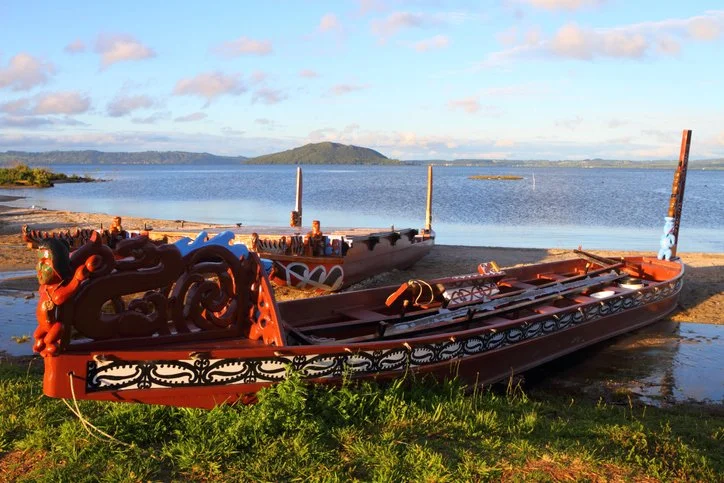
In Rotorua, Māori culture feels especially strong. Experiences like Te Puia offer a deeper look into traditional carving, weaving, geothermal living, and powerful haka performances. It’s one of the best places to see culture actively practiced, not just displayed.
If you’re staying in the city, the Auckland Museum is an easy introduction, with exhibitions and live performances that explain Māori history and traditions in a really accessible way.
New Zealand’s culture is also closely connected to the wider Pacific. You’ll see similarities with other Polynesian destinations like the Cook Islands, especially in language, traditions, and values, which all stem from shared ancestry across the Pacific.
When it comes to food, New Zealand focuses on fresh, local ingredients. Seafood is a standout, along with lamb, wine, and regional produce. Traditional Māori food like hāngī, where meals are slow-cooked underground, is often included in cultural experiences and is worth trying at least once.
Overall, while New Zealand is known for its landscapes, it’s the culture and history that give the country real depth. Taking time to understand Māori heritage will completely change how you experience it.
Top Rated Things to Do in New Zealand
New Zealand trips usually follow a similar flow, a mix of landscapes, a few key experiences, and time on the road. These are the activities most people build their itinerary around, and the ones that are consistently worth prioritising.
- Milford Sound / Piopiotahi – Get out on the water with a scenic cruise, or save time with a fly, cruise, fly experience from Queenstown.
- Fiordland National Park – Go further with a Doubtful Sound day trip, or see the region from above on a helicopter flight.
- Lake Tekapo – Relax in the Tekapo Springs hot pools or experience the night sky with a stargazing session.
- Road trip the South Island – Drive between Christchurch, Tekapo, and Queenstown for some of the best scenery in the country.
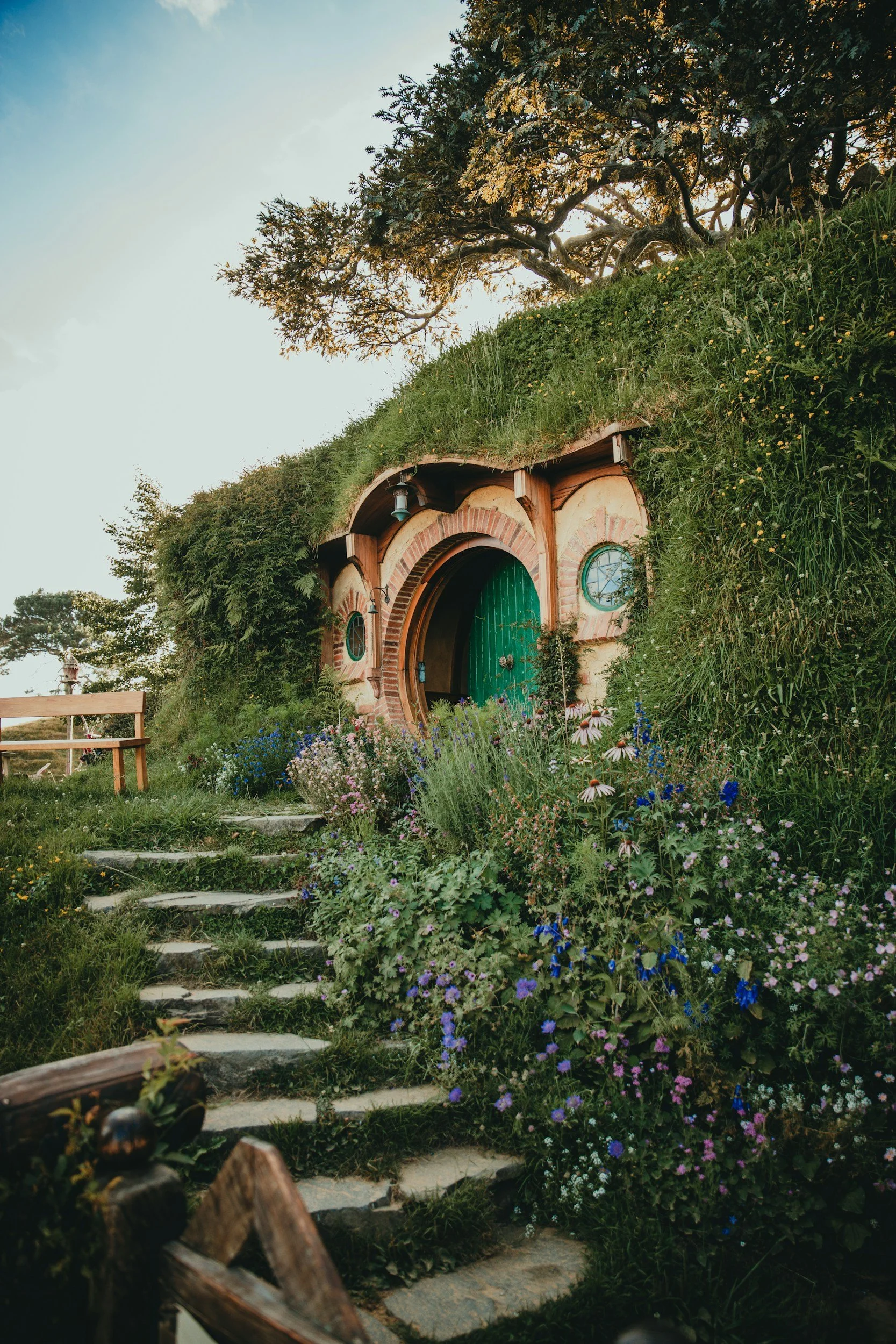
- Visit Hobbiton – An easy day trip from Auckland to the Hobbiton Movie Set.
- Experience Māori culture – Visit Te Puia in Rotorua, explore the Waitangi Treaty Grounds, or see a performance at the Auckland Museum.
- Explore Auckland – Take in the views from the Sky Tower or use the city as a base for nearby day trips.
- See New Zealand wildlife – Get close to native species with this kiwi bird encounter.
- Adventure in Queenstown – Known for jet boating, scenic flights, and adrenaline activities.
- Explore beyond the main stops – Add in a 4WD tour in Tekapo or a jet boat and nature walk in Fiordland.
These are the core experiences most itineraries are built around. You can mix and match depending on your route, but having a few of these locked in makes planning the rest much easier.
Oceania Travel Guides: Australia, New Zealand & South Pacific


NZ Cities
Auckland
Auckland is New Zealand’s largest city and often the starting point for most trips. Built around two harbours and surrounded by beaches, islands, and volcanic landscapes, it’s a place that blends city life with easy access to nature.
You don’t need long here, but it’s worth spending a couple of days exploring. Head up the Sky Tower for panoramic views over the city and coastline, or spend time around the waterfront and nearby suburbs like Ponsonby for cafés, shopping, and a more local feel.
Auckland is also a great base for day trips. One of the most popular is visiting the Hobbiton Movie Set, especially if you’re a Lord of the Rings fan, while cultural experiences like the All Blacks Experience offer insight into New Zealand’s rugby history and identity.
If you’re interested in wildlife, you can also get up close to New Zealand’s iconic kiwi bird through experiences like this kiwi bird encounter, which is a unique way to see something you won’t find anywhere else in the world.
Overall, Auckland isn’t just a stopover city. It’s a relaxed introduction to New Zealand, with enough to see and do while also setting you up perfectly for day trips and the rest of your itinerary.
Christchurch
Christchurch is the main gateway to New Zealand’s South Island and a common starting point for road trips. It’s an easy city to arrive into, pick up a car, and get moving, but it’s worth spending a bit of time here before heading off.
The city has been rebuilt in a modern, open way after the earthquakes, with a mix of green spaces, new architecture, and creative areas like the Riverside Market and the city centre. The Avon River runs through it, and you’ll see locals punting along it on calmer days.
Christchurch is also known as the “Garden City,” with places like the Botanic Gardens and Hagley Park giving it a relaxed feel. It’s not overwhelming, and everything is fairly easy to get around.
Most people don’t stay long, but it works well as a stop to reset, grab supplies, and ease into your South Island itinerary. From here, you’re well placed to head to Lake Tekapo, the Southern Alps, or down the coast.
Fiordland National Park
Fiordland National Park delivers the kind of scenery New Zealand is known for. Deep fjords, steep cliffs, constant waterfalls, and landscapes that feel completely untouched. It’s remote, rugged, and very different to the rest of the South Island.
Milford Sound gets the attention, but Doubtful Sound is quieter and feels more immersive. If you’ve got time, a Doubtful Sound day trip is worth doing for fewer crowds and a more relaxed pace.
Te Anau is the best base for exploring the region. From here, you can get out on the water and into the bush with experiences like this jet boat and nature walk, which gives you a closer look at the landscape without committing to a full-day hike.
If you’re open to spending a bit more, seeing Fiordland from above changes everything. A helicopter flight with alpine landings takes you into areas you can’t access by road or track.
Weather shifts quickly here, so pack layers and stay flexible. Rain isn’t a downside, it brings out hundreds of waterfalls and makes the whole place feel more alive.
Tekapo / Lake Tekapo
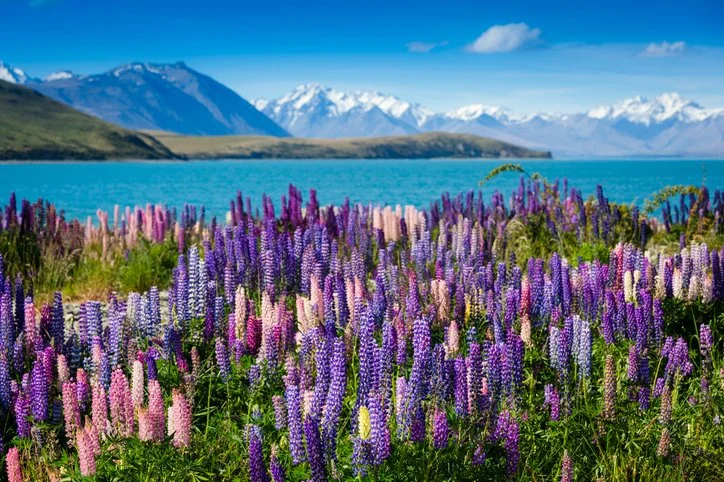
Lake Tekapo is known for its bright blue water, mountain backdrop, and some of the clearest night skies in the world. It’s a smaller stop on a South Island itinerary, but worth it for a slower pace and the scenery alone.
During the day, it’s all about the lakefront, the Church of the Good Shepherd, and the surrounding alpine views. If you want to explore a bit further, experiences like this Cass Valley 4WD tour take you into areas you wouldn’t otherwise reach.
For something more relaxed, the Tekapo Springs thermal pools are an easy add-on, especially after a day of driving or exploring.
At night, Tekapo really stands out. It sits within a Dark Sky Reserve, so stargazing here is next level. You can do it on your own, or book something like this hot pools and stargazing experience for a more structured option.
If you’re travelling with kids or just want something a bit different, there’s also a local farm and animal experience nearby.
Tekapo works best as an overnight stop between Christchurch and Queenstown. It’s not about packing in activities, it’s about slowing down, taking in the views, and seeing a different side of New Zealand.
Milford Sound / Piopiotahi
Milford Sound is one of the most visited places in New Zealand, and for good reason. Sheer cliffs rise straight out of the water, waterfalls run down the rock faces, and the scale is hard to take in until you’re actually there.
The most common way to experience it is by boat. A small boat scenic cruise gets you close to the waterfalls and into the fjord, which is where you really see how big it is.
Getting there takes time, especially if you’re driving from Queenstown or Te Anau. If you want to avoid the long day, options like this fly, cruise, fly experience cut down travel time and give you aerial views on the way in and out.
For something more premium, a helicopter flight from Queenstown gives you access to remote alpine areas and a completely different perspective over Fiordland.
Weather plays a big role here. Rain brings out hundreds of temporary waterfalls and often makes the experience even better, so it’s worth going regardless of the forecast.
Staying Safe in New Zealand
New Zealand is generally a very safe country to travel, but a lot of the risks here come from the environment rather than people. Weather can change quickly, especially in alpine areas like Fiordland and around Lake Tekapo, so it’s important to check conditions and plan ahead.
If you’re road tripping, take care on longer drives. Roads can be narrow, winding, and more remote than you might expect, particularly on the South Island. Allow extra time, take breaks, and avoid driving in poor weather where possible.
For hikes and outdoor activities, always let someone know your plans and stick to marked tracks. Even short walks can become more difficult if conditions shift.
With so many adventure activities across the country, having travel insurance is important. Whether it’s hiking, scenic flights, or water-based experiences, it’s worth being covered. Before your trip, make sure to check your travel insurance options so you’re covered for the type of travel you’re planning.
Overall, staying safe in New Zealand comes down to being prepared and aware of your surroundings. Plan ahead, check conditions, and you’ll be able to enjoy everything the country has to offer.
📱 Staying Connected in New Zealand
Staying connected in New Zealand is easy, especially if you’re using maps, booking activities, or navigating on a road trip. Coverage is generally good in cities and towns, but can drop out in more remote areas like Fiordland.
Using an eSIM is one of the easiest options. You can set it up before you arrive and avoid dealing with physical SIM cards or airport kiosks.
Carry-on liquid rules in 2026 are starting to change, but not in a way you can rely on just yet. While some airports are introducing new scanners that allow larger liquids, most still enforce the standard 100ml rule. This guide breaks down exactly what you can and can’t take in your carry-on, what counts as a liquid, and how to pack your toiletries properly. You’ll also find practical beauty hacks, travel-size product recommendations, and simple ways to avoid delays or having items thrown out at airport security.