Planning a trip to South America?
These guides cover the best places to visit in South America, when to travel, and the destinations actually worth adding to your itinerary.
South America is one of the most diverse regions you can travel. In a single trip, you can move between completely different landscapes, cultures, and climates, from the Atacama Desert in Chile to the Amazon rainforest, the Andes mountains of Peru, and the beaches of Brazil.
Some places are the big, well-known highlights like Machu Picchu or Rio de Janeiro. Others feel more remote, like Patagonia, the Amazon Rainforest, or Easter Island.
I’m still building out my South America guides. Chile is currently live, and I’ve added detailed sections below on the main destinations I’d prioritise across the region to help you start planning properly.
It’s not the easiest place to travel, but that’s part of the appeal. The distances are bigger, the planning matters more, and the experiences feel more rewarding because of it.
This South America travel guide includes top destinations, itinerary ideas, and tours to help you plan your trip.
Jump to: Country Guides • Top Destinations • Machu Picchu • Galápagos • Christ the Redeemer • Patagonia • Amazon • Easter Island • Buenos Aires • Rio
South America Country Guides
Popular South America Destinations
South America is known for its mix of iconic landmarks and large-scale natural landscapes. These are some of the most popular destinations to include in a South America itinerary.
Machu Picchu, Peru
One of the most iconic sites in the world, Machu Picchu is an ancient Inca city set high in the Andes. It’s typically reached from Cusco, either by train or via a multi-day trek, and is easily one of the biggest highlights of any South America itinerary.It’s worth booking your official Machu Picchu entrance ticket in advance, as time slots sell out quickly, especially in peak season.
There are a few different ways to visit. You can take the train and walk the final section into the site, or do the iconic hike with a guide. Either way, going with a small group or organised tour, even just for transfers, makes the whole experience much smoother.
If you want the full experience, the 4-day Inca Trail with accommodation is the classic option, finishing at Machu Picchu.
For something shorter, this 2-day Sacred Valley and Machu Picchu tour is a good mix of hiking and key highlights.
If you prefer a more comfortable option, you can do a full-day trip from Cusco with train travel, hotel pick-up, and guided entry. This luxury train and guided tour includes everything organised for you.
Galápagos Islands, Ecuador
I haven’t been to the Galápagos Islands yet, but it’s right up there on my list for a proper, once-in-a-lifetime trip. This isn’t a quick add-on destination, it’s something you plan around.
It’s known for its wildlife and protected environment, but what makes it stand out is how intact everything still feels. You’re not looking at animals from a distance or behind barriers, you’re in it, in a place that hasn’t been overdeveloped.
It’s also where Darwin built the foundation for the theory of evolution, which adds another layer to it. You’re not just going for the scenery, you’re seeing a place that actually shaped how we understand the natural world.
If you’re into that remote, expedition-style travel, it has that same feel as Master and Commander. Open water, isolated islands, and landscapes that feel untouched rather than curated. Most trips start from mainland Ecuador and involve either island hopping or staying on one main island like Santa Cruz. It’s less of a “wing it” destination and more something you plan properly, but that’s part of what makes it so worth doing.
If I was planning this trip, I’d look at a multi-day tour to keep everything organised. This 4-day Galápagos budget experience is a good entry option, or this 4-day Galápagos tour with premium hotel and ocean views if you want something a bit more comfortable.
For a longer trip, this 7-day island hopping Galápagos tour covers multiple islands and gives you a more complete experience.
Once you’re there, you can mix in smaller tours depending on where you’re staying. Visiting the Charles Darwin Research Station is one of the main highlights, along with seeing giant tortoises on this lava tunnels and craters tour.
If you’re heading over to Isabela Island, this Isabela Island nature and viewpoint tour is another good option to see more of the landscape.
Christ the Redeemer, Brazil
Christ the Redeemer sits above Rio de Janeiro on Corcovado Mountain and is one of the most recognisable landmarks in the world. The views from the top stretch across the city, beaches, and surrounding mountains, and it’s one of those places that actually lives up to it.
It’s worth booking your Christ the Redeemer entry and Corcovado train ticket in advance to avoid queues and get a smoother run up the mountain.
If you want to combine a few highlights in one go, this Christ the Redeemer and Selarón Steps half-day tour is a good option and takes the planning out of it.
For something more memorable, you can do a doors-off helicopter flight over Rio, which flies close to the statue and gives you a completely different perspective over the city.
Patagonia, Chile & Argentina
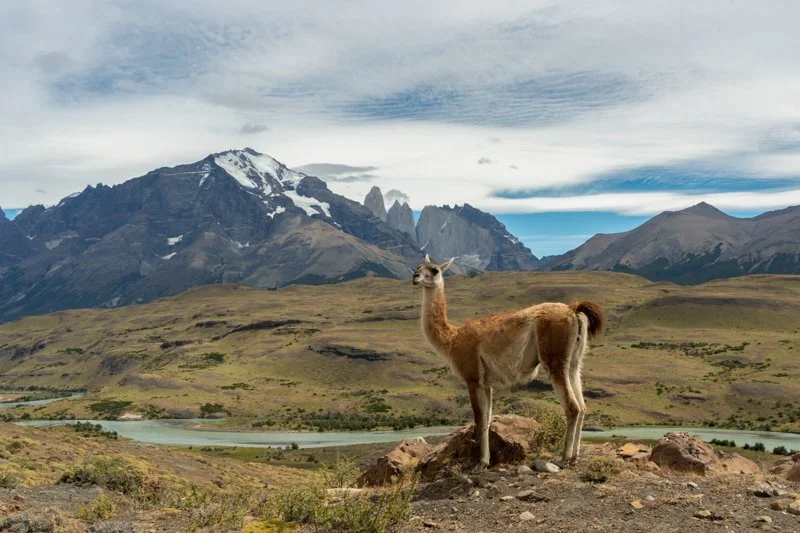
Patagonia is known for its raw, open landscapes, glaciers, and national parks that feel properly remote. It stretches across both Chile and Argentina, and it’s the kind of place you go when you want nature to be the focus.
This is less about cities and more about being outside, hiking, and seeing landscapes that actually feel untouched. Think mountain ranges, bright blue glaciers, and long stretches of road with not much else around.
If you’re planning a trip here, I’d base it around a few key areas rather than trying to rush through it. El Calafate, El Chaltén, Torres del Paine, and Ushuaia are some of the main spots people build their itinerary around.
From El Calafate, you can explore the area on a 4x4 native cultures excursion, or head closer to the glaciers.
If you’re near El Chaltén, this Viedma Glacier boat and iceberg walk is a more unique way to experience the landscape.
Down in Ushuaia, you can visit Tierra del Fuego National Park on the Train of the End of the World tour, or get out on the water with a catamaran sailing tour to Penguin Island.
On the Chile side, Torres del Paine is one of the main highlights. If you want to experience it properly, this Base Torres guided trek takes you right into the park.
Amazon Rainforest
The Amazon Rainforest is one of the most unique places you can travel, not just in South America, but anywhere. It’s huge, unpredictable, and completely different to a typical trip. You’re not here for landmarks, you’re here for the experience.
This is where you see wildlife in its natural environment, travel by boat instead of road, and stay in jungle lodges surrounded by rainforest. It’s a slower pace, but there’s always something happening, from early morning river mist to night walks and wildlife spotting.
If you’re planning a visit, I’d base it around a guided experience rather than trying to organise everything yourself. This 2-day Amazon jungle adventure with lodge stay is a good way to get into the rainforest without overcomplicating it.
For a shorter option, this Amazon River and Monkey Island day tour gives you a solid introduction to the area.
From Manaus, you can get out on the water with a full-day Amazon River tour, or go further into the experience with an alligator night watch tour.
If you’re travelling longer distances through the region, this boat trip from Santarém to Belém is a more immersive way to see the river and surrounding areas.
Easter Island (Rapa Nui), Chile
Easter Island is one of the most remote places you can travel, sitting far out in the Pacific Ocean off the coast of Chile. It’s known for the Moai statues, but what stands out is how isolated and different it feels compared to anywhere else in South America.
It’s not somewhere you just pass through. Getting there takes time, and once you arrive, everything slows down. The landscapes are open and volcanic, the coastline is rugged, and the Moai are spread across the island rather than in one place.
If you’re planning a visit, I’d look at doing a structured tour so you can properly understand the history and see the key sites. This full-day Hotu Matua tour covers the main highlights across the island.
For something a bit different, this sunset tour over Rapa Nui gives you a completely different perspective, especially at the main Moai sites.
If you want to explore more beyond the surface, this underground caves private tour takes you into parts of the island most people don’t see.
For something more active, you can even do a certified dive in Rapa Nui, which gives you a different way to experience the island and surrounding waters.
Buenos Aires, Argentina
Buenos Aires feels different to the rest of South America. The architecture, cafés, and neighbourhoods have a strong European influence, but the culture, food, and energy are completely its own.
This is a city you explore by area rather than ticking off landmarks. La Boca, Palermo, Recoleta, and San Telmo all feel different, and it’s worth giving yourself time to move between them rather than rushing it.
La Boca is one of the most recognisable parts of the city, known for its colourful streets and connection to tango and football. You can explore it properly on a La Boca guided walking tour, which gives more context to the area and its history.
If you’re into football, visiting La Bombonera is a highlight. This Boca Juniors stadium and museum ticket gives you access to one of the most iconic stadiums in South America.
Tango is a big part of the city’s identity, and it’s worth seeing it properly at least once. This Piazzolla tango show with optional dinner is an easy way to experience it without needing to organise anything yourself.
To get a feel for the city overall, a hop-on hop-off bus and walking tour pass is a simple way to move between the main areas and get your bearings early on.
Rio de Janeiro, Brazil
Rio de Janeiro is one of those cities that actually feels like a destination, not just a base. You’ve got beaches, mountains, rainforest, and viewpoints all packed into one place, and it’s easy to move between them.
It’s worth staying somewhere central so you can explore properly. You can find hotels in Rio here depending on your budget and where you want to base yourself.
Beyond the beaches, one of the best things to do is get into Tijuca National Park, a rainforest right in the middle of the city. It’s one of the largest urban forests in the world, with waterfalls, hiking trails, and wildlife all within minutes of Rio’s main areas. If you want something easy, this half-day jeep tour through Tijuca Forest gets you into the rainforest without needing to organise anything yourself.
For something more active, this Tijuca Forest hike to peaks, caves and waterfalls takes you further into the park and gives you a better feel for the landscape.
If you want something more relaxed, this sunset jeep tour in Rio is a good way to see the city from a different angle, especially later in the day.