Walking the Kokoda Track: What to Expect, Tips and Everything You Need to Know
The Kokoda Track is a 96 kilometre jungle trail in Papua New Guinea’s Owen Stanley Range, connecting Owers Corner to Kokoda village.
I haven’t personally walked Kokoda, but I’ve spent a lot of time researching it and speaking to people who have, and one thing comes up every time, it is far tougher than most expect.
It is steep, muddy, humid, and physically demanding. Most people take between 8 and 12 days to complete it, but the distance only tells part of the story. It is the terrain, the conditions, and the history that make Kokoda what it is.
Jump to: What is the Kokoda Track? • Why Kokoda matters to Australians • The role of Papua New Guineans • Supporting Papua New Guinea communities • What the Kokoda Track is actually like • Kokoda Track tips • Best time to walk Kokoda • What to pack for the Kokoda Track • Is the Kokoda Track worth it?
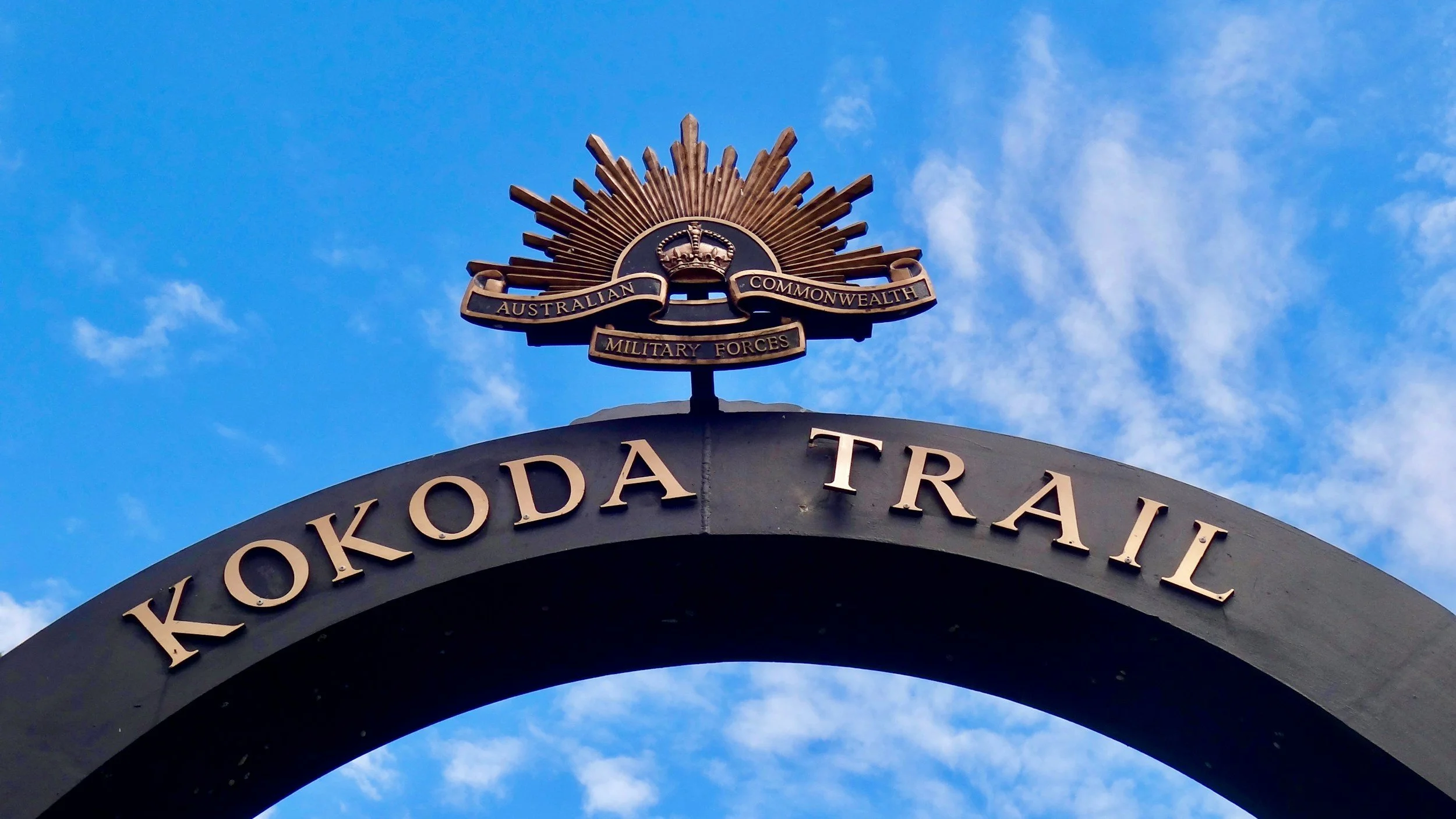
What is the Kokoda Track?
The Kokoda Track is a 96 kilometre, single-file trekking route in Papua New Guinea that runs through the rugged Owen Stanley Range, connecting Owers Corner (near Port Moresby) to Kokoda village in Oro Province.
Best known for its role in the Kokoda Campaign during World War II, the track today is both a physically demanding hike and a significant historical journey. It is widely considered one of the toughest multi-day treks in the world.
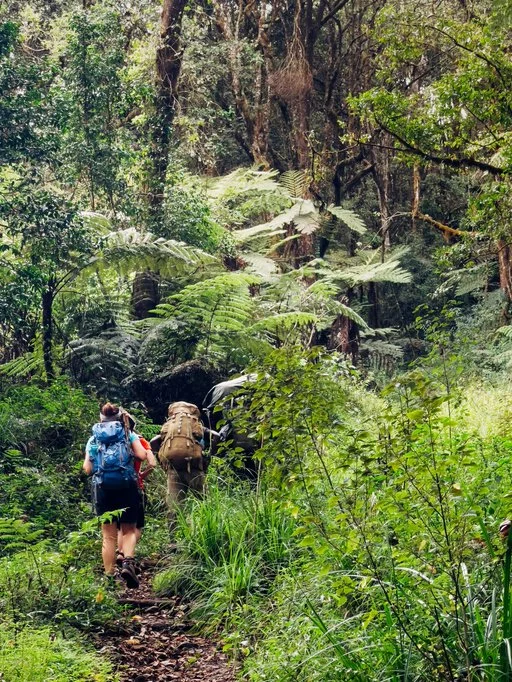
The terrain is relentless. You are not just walking 96km, you are constantly climbing, descending, and navigating uneven ground in a tropical environment.
You will face:
- Steep, continuous climbs and descents
- River and creek crossings, often multiple times a day
- Uneven, muddy and slippery terrain
- Dense rainforest with limited visibility
- Heat, humidity, and sudden downpours
There are very few flat or easy sections. Every day is physically demanding, and the conditions can change quickly.
Most people take between 8 and 12 days to complete the Kokoda Track, depending on fitness, pace, and conditions. It requires preparation, resilience, and a good level of physical fitness.
But Kokoda is more than just a trek. It is a journey through history, culture, and one of the most remote and challenging landscapes in the South Pacific.
Why Kokoda matters to Australians
The Kokoda Track is one of the most significant sites in Australian military history, tied to the Kokoda Campaign during World War II in 1942.
Australian soldiers, many young and with limited training for jungle warfare, were sent into the mountains of Papua New Guinea to stop Japanese forces advancing toward Port Moresby, a key strategic point seen as critical to Australia’s defence.
The conditions were extreme. Soldiers faced steep terrain, dense jungle, constant rain, disease such as malaria, and long periods with limited supplies. Despite this, they held their ground in what is widely recognised as one of the toughest campaigns fought by Australian troops.
Today, the Kokoda Track is not just a trekking destination. For many Australians, it is a place of remembrance, representing courage, endurance, and sacrifice, and a deeper connection to Australia’s wartime history.
But Kokoda is not just an Australian story.
The role of Papua New Guineans (often called “Fuzzy Wuzzy Angels”)
Papua New Guineans played a critical and often under-recognised role in the Kokoda Campaign.
Many worked alongside the Australian Army as carriers and guides, helping transport supplies, equipment, and wounded soldiers across the track. Some volunteered, while others were conscripted under the Australian administration at the time and required to work in extremely difficult conditions.
They carried injured soldiers over steep terrain, through mud, rain, and dense jungle, often without proper equipment or medical support. Their care, strength, and determination saved countless lives.
Australian soldiers later referred to them as the “Fuzzy Wuzzy Angels”, a term used at the time to reflect the compassion and humanity they showed. While the phrase has older colonial origins and can be considered outdated today, it remains widely used in the context of Kokoda as a sign of respect.
Many Papua New Guineans faced the same dangers as soldiers, including disease, exhaustion, and harsh environmental conditions. Hundreds are believed to have died.
Despite working directly for the Australian war effort, they were not treated as soldiers and were not entitled to military pensions until decades later, with recognition only beginning to come through in the 1980s. It remains a difficult and often overlooked part of the Kokoda story.
For Australians, Kokoda is not just about our own history. It is a shared story with Papua New Guinea.
There is a genuine connection between the two countries because of this. Many Australians who walk the track come away with a deep respect for Papua New Guinean communities and the role they played.
If you visit Papua New Guinea, take the time to support local communities where you can. Many families have direct connections to Kokoda and offer tours or experiences that share their history and perspective, including visits to other World War II sites.
By all accounts, they are heroes in this story, and that is how they should be remembered.
Supporting Papua New Guinea communities
If you are visiting Papua New Guinea or walking the Kokoda Track, there are meaningful ways to give back and support the communities connected to its history.
Many local families have direct links to the Kokoda Campaign and continue to share their knowledge through guiding, cultural experiences, and tours across the region. Choosing local operators where possible helps ensure that support stays within the community.
You can also support organisations working directly with Papua New Guinean communities:
👉 Donate to Kokoda Track Foundation
Kokoda Track Foundation focuses on education, health, and community development along the Kokoda Track and surrounding regions.
👉 Support PNG Angels
PNG Angels supports grassroots projects and communities across Papua New Guinea, with a focus on long-term impact.
Kokoda is a shared story between Australia and Papua New Guinea. Supporting local communities is one small way to give something back to the people who played such an important role and gave so much during the war.
What the Kokoda Track is actually like
Walking the Kokoda Track is not about scenic viewpoints or ticking off another hike. It is constant, physical effort from start to finish.
This is a true jungle trek through Papua New Guinea, where the terrain, weather, and conditions test you every single day.
Expect:
- Long, steep climbs and descents that rarely ease up
- Thick mud that makes every step harder and more tiring
- Frequent river and creek crossings where you will get wet
- High heat and humidity that builds throughout the day
- Long hours on your feet, often with limited recovery time
There are no easy days on Kokoda. The track demands consistency, resilience, and mental strength as much as physical fitness.
Some days will feel tough, and that is part of the experience. It is not meant to be easy.
Best time to walk Kokoda
The best time to walk Kokoda is generally May to October.
Even then, expect:
- Humidity
- Mud
- Rain at any time
| Month | Weather | Conditions on Track | How Busy | Overall |
|---|---|---|---|---|
| Jan | Very wet, hot | Heavy mud, flooding, tough visibility | Very quiet | ❌ Avoid |
| Feb | Very wet, humid | Slippery, dangerous river crossings | Very quiet | ❌ Avoid |
| Mar | Wet season easing | Still muddy, unpredictable rain | Quiet | ⚠️ Not ideal |
| Apr | Mixed weather | Improving, but still wet sections | Moderate | ⚠️ Okay |
| May | Drier, cooler | Better footing, still humid | Busy | ✅ Good time |
| Jun | Dry season | Best conditions, less mud | Busy | ✅ Best time |
| Jul | Dry, cooler nights | Good visibility, manageable terrain | Very busy | ✅ Best time |
| Aug | Dry, stable | Great trekking conditions | Very busy (ANZAC treks) | ✅ Best time |
| Sep | Dry, warming | Still good, slightly more humidity | Busy | ✅ Great time |
| Oct | Transition month | Increasing rain, still manageable | Moderate | ✅ Good time |
| Nov | Wet season starts | Mud increasing, harder conditions | Quiet | ⚠️ Risky |
| Dec | Wet, humid | Heavy rain, tough trekking | Very quiet | ❌ Avoid |
Kokoda Track tips
- Train properly – stairs, inclines, and long walks with a pack
- Pack light – every kilo matters more than you think
- Look after your feet – blisters can end your trek early
- Expect mud – accept it early, it makes it easier mentally
- Go at your own pace – consistency over speed
- Listen to your guides – they know the track best
- Respect local communities – you are walking through villages
- Prepare for the climate – heat, humidity, and rain are part of it
What to pack for the Kokoda Track
Packing for the Kokoda Track is about balance. You need to be prepared for tough, wet conditions, but you also don’t want to carry unnecessary weight for 8 to 12 days.
Everything you bring, you will feel.
Check what your tour includes first
Before you start packing, check exactly what your Kokoda tour provides.
Some tours include items like sleeping bags, sleeping mats, tents, and even meals, while others expect you to bring your own gear.
Always confirm:
- Sleeping bag or liner
- Sleeping mat
- Tent or shelter
- Meals and cooking equipment
- Porter inclusions (what they carry vs what you carry)
Kokoda packing list
Here’s what most trekkers take, with a few options depending on how you like to travel.
Clothing
- 2–3 quick-dry shirts
- 1–2 pairs of hiking shorts
- Lightweight long pants (for evenings / protection)
- Underwear (quick-dry)
- 2–3 pairs of hiking socks + spare dry pair
- Lightweight rain jacket or poncho
- Hat or cap
- Lightweight jumper (nights can be cooler in higher sections)
Footwear
- Good quality hiking boots (broken in before you go)
- Camp shoes (thongs or lightweight sandals)
Sleep & essentials
- Sleeping bag or liner (only if not provided)
- Headlamp (with spare batteries)
- Dry bags (essential to keep everything dry)
Health & hygiene
- Insect repellent (essential)
- Sunscreen
- Basic first aid (blister care is a must)
- Electrolyte tablets
- Hand sanitiser
- Toilet paper + small zip bags
Day pack items
- Hydration bladder or water bottles
- Snacks (high energy, easy to eat)
- Quick-dry towel
- Phone or camera (in waterproof case)
- Power bank
Optional but recommended
- Trekking poles (very helpful on descents)
- Gaiters (help with mud)
- Hiking or grip gloves (useful on steep sections)
- Lightweight buff or scarf
- Earplugs (shared camps can be noisy)
What not to bring
- Heavy clothing
- Anything cotton (stays wet)
- Too many “just in case” items
- Valuables you don’t need
When in doubt, pack less. Kokoda is hard enough without extra weight.
Is the Kokoda Track worth it?
It is not easy, but it is meaningful. It gives you a deeper understanding of Australia’s history and a strong appreciation for Papua New Guinea and its people.
You finish tired, but proud, and with a completely different perspective.

Everything I use when planning a trip, all in one place.
This page may contain affiliate links. I may earn a small commission at no extra cost to you. Learn more →
