COOK ISLANDS
Paradise in the Pacific
The Cook Islands are one of those rare places that still feel genuinely untouched.
Spread across the South Pacific between New Zealand and Hawaii, this small group of islands offers everything people imagine when they picture a tropical escape — white sand beaches, impossibly blue lagoons, palm trees swaying in the breeze, and a pace of life that feels wonderfully slow.
What makes the Cook Islands special isn’t just the scenery. It’s the feeling of being somewhere peaceful, welcoming, and far removed from the crowds you’ll find in many other tropical destinations.
Two islands form the heart of most trips:
- Rarotonga – the lush, mountainous main island
- Aitutaki – home to one of the most beautiful lagoons in the world
Jump to:
Overview •
How to Get There •
Weather & Best Time •
Before You Go •
The Islands •
Guides
People & Language •
Religion •
Currency •
History •
Reefs & Swimming
How to Get to the Cook Islands
Most travellers arrive via Rarotonga International Airport (RAR), the main gateway to the Cook Islands.
Despite their remote location in the South Pacific, the islands are surprisingly easy to reach, with regular flights from New Zealand, Australia, and the United States.
New Zealand is the main hub, with frequent flights from Auckland. Travellers from Australia can fly direct from Sydney or connect via Auckland, while North American visitors can fly direct from Los Angeles.
From Europe and the United Kingdom, most routes connect through either Auckland or Los Angeles before continuing on to Rarotonga.
| Departure | Airline | Route | Flight Time | Frequency |
|---|---|---|---|---|
| Auckland, New Zealand | Air New Zealand | Direct to Rarotonga | ~3 hr 45 min | Multiple flights per week |
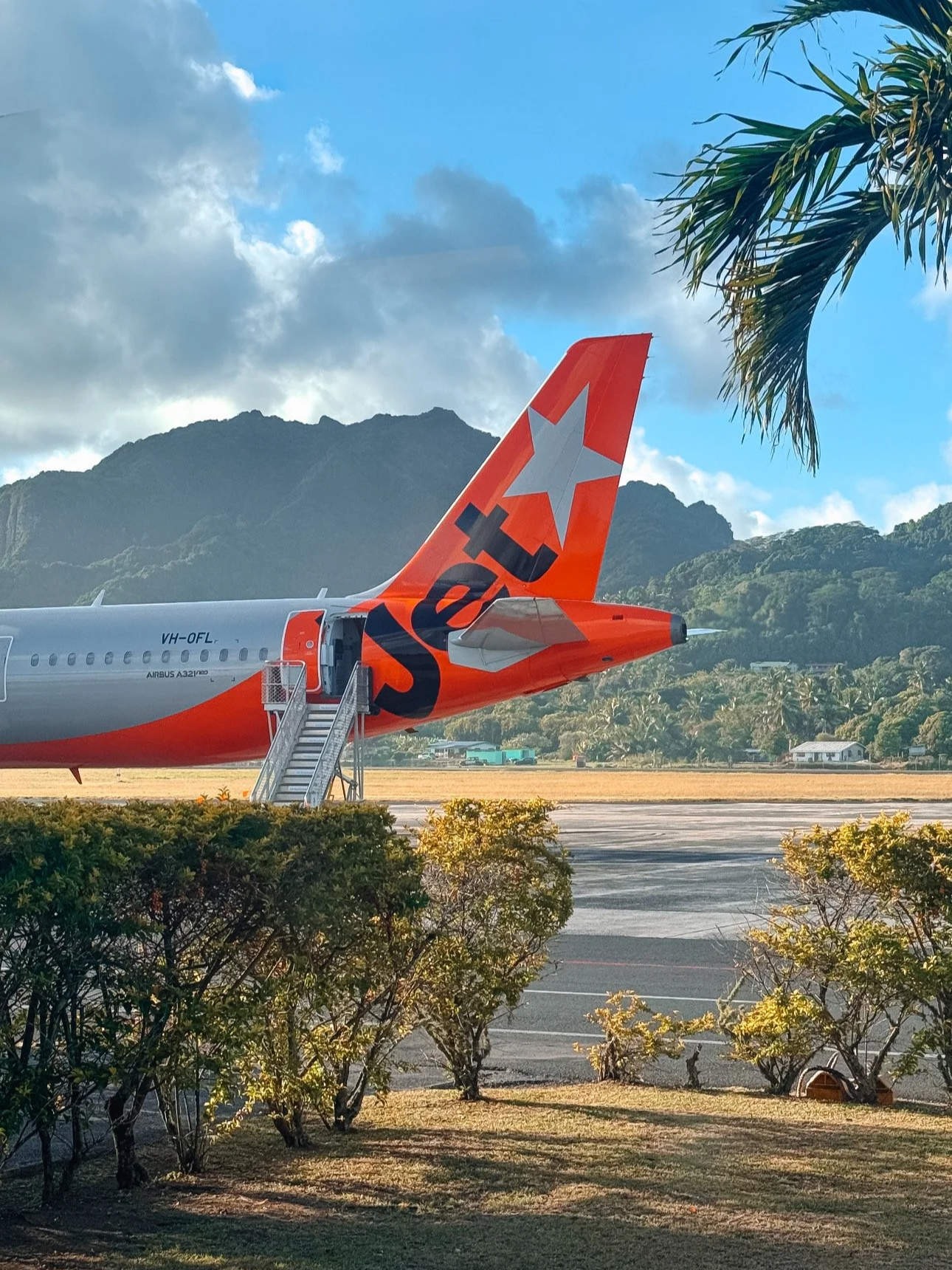
| Sydney, Australia | Jetstar | Direct to Rarotonga | ~6 hr | Several flights per week |
| Los Angeles, USA | Air New Zealand | Direct to Rarotonga | ~9 hr | Weekly service |
| Papeete, Tahiti (French Polynesia) | Air Tahiti | Direct to Rarotonga | ~2 hr 45 min | Several flights per week |
| Honolulu, Hawaii | Occasional / seasonal routes | Direct or via Tahiti | ~6 hr | Limited or seasonal |
| London, United Kingdom | Various airlines | Via Auckland or Los Angeles | ~24–30 hr total | Daily long-haul connections |
Weather and When To Visit
The Cook Islands have a warm tropical climate year-round, with daytime temperatures usually between 25°C and 30°C.
Rather than four traditional seasons, the islands experience a dry season and a warmer tropical wet season. Thanks to the surrounding ocean and steady trade winds, temperatures remain comfortable for most of the year, and the lagoons stay warm enough for swimming year-round.
| Season | Months | Weather | Crowds & Prices | Best For |
|---|---|---|---|---|
| Dry Season | May – October | Warm sunny days around 25–28°C, lower humidity and less rain. Trade winds keep temperatures comfortable. | Busiest period, especially July–August during Australian and New Zealand winter holidays. | Best overall weather, snorkelling, island tours and outdoor activities. |
| Shoulder Season | April & November | Warm tropical weather with occasional showers and calm lagoon conditions. | Moderate crowds with good availability and often better prices. | Great balance of weather, value and fewer visitors. |
| Wet Season | December – March | Hotter and more humid around 28–30°C with tropical rain showers that usually pass quickly. | Quieter travel period outside Christmas holidays. | Lush scenery, warm ocean temperatures and fewer tourists. |
Get to Know the Cook Islands Before You Go
People & Language
The Cook Islands are known for having some of the friendliest people in the Pacific. Most locals speak English, which makes travelling here very easy, but the traditional language is Cook Islands Māori, and you’ll hear it in everyday life, music, and cultural performances.
The culture is very community-focused, and visitors are typically welcomed warmly.
Religion & Community
Christianity plays an important role in island life. Sunday is traditionally a day of rest, and many locals attend church services in the morning.
Visitors are welcome to attend, and the singing is often a highlight. Because of this, some shops and businesses may open later or close on Sundays.
Currency
The Cook Islands use the New Zealand Dollar (NZD) as their official currency, but they also issue their own Cook Islands coins and notes, which circulate alongside NZ dollars.
These are colourful, unique, and worth keeping an eye out for. The bright blue $3 note is one of the most well-known, and there are also distinctive coins, including triangular and scalloped-edge designs.
If you’re interested, you can exchange money locally to collect a few as souvenirs.
How the Cook Islands Were Settled
The Cook Islands were settled by Polynesian voyagers, some of the most skilled navigators in human history. Using large double-hulled canoes, they travelled vast distances across the Pacific, navigating by the stars, ocean swells, birds, and wind patterns.
They are believed to have arrived around 800–1000 AD, likely from islands in what is now French Polynesia and the central Pacific.
These same navigation traditions later led to the settlement of New Zealand around 1250–1300 AD, where their descendants became the Māori people of Aotearoa.
Because of this shared history, Cook Islands Māori and New Zealand Māori cultures are closely connected, with similarities in language, traditions, and storytelling.
Reefs, Lagoons & Swimming
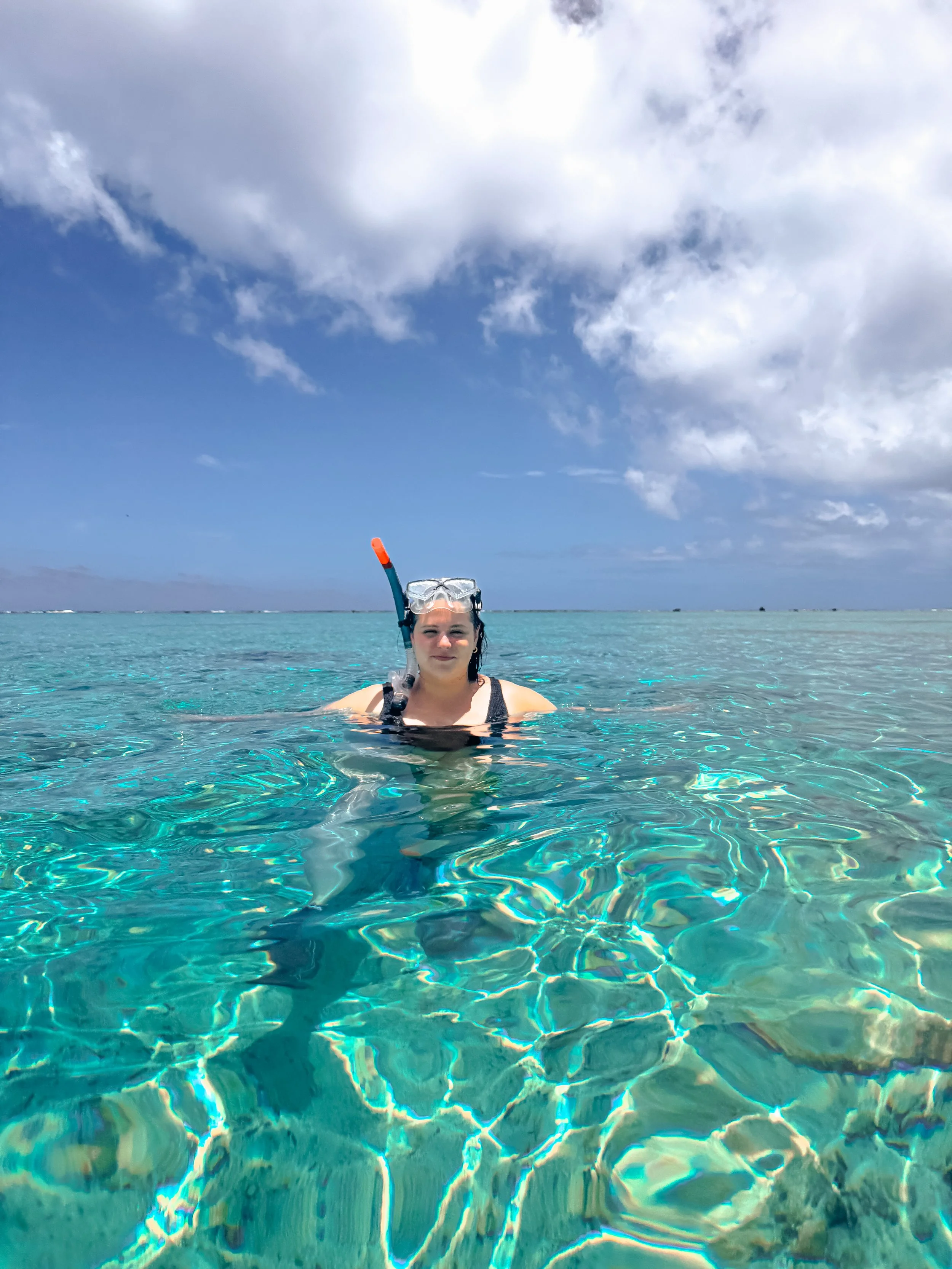
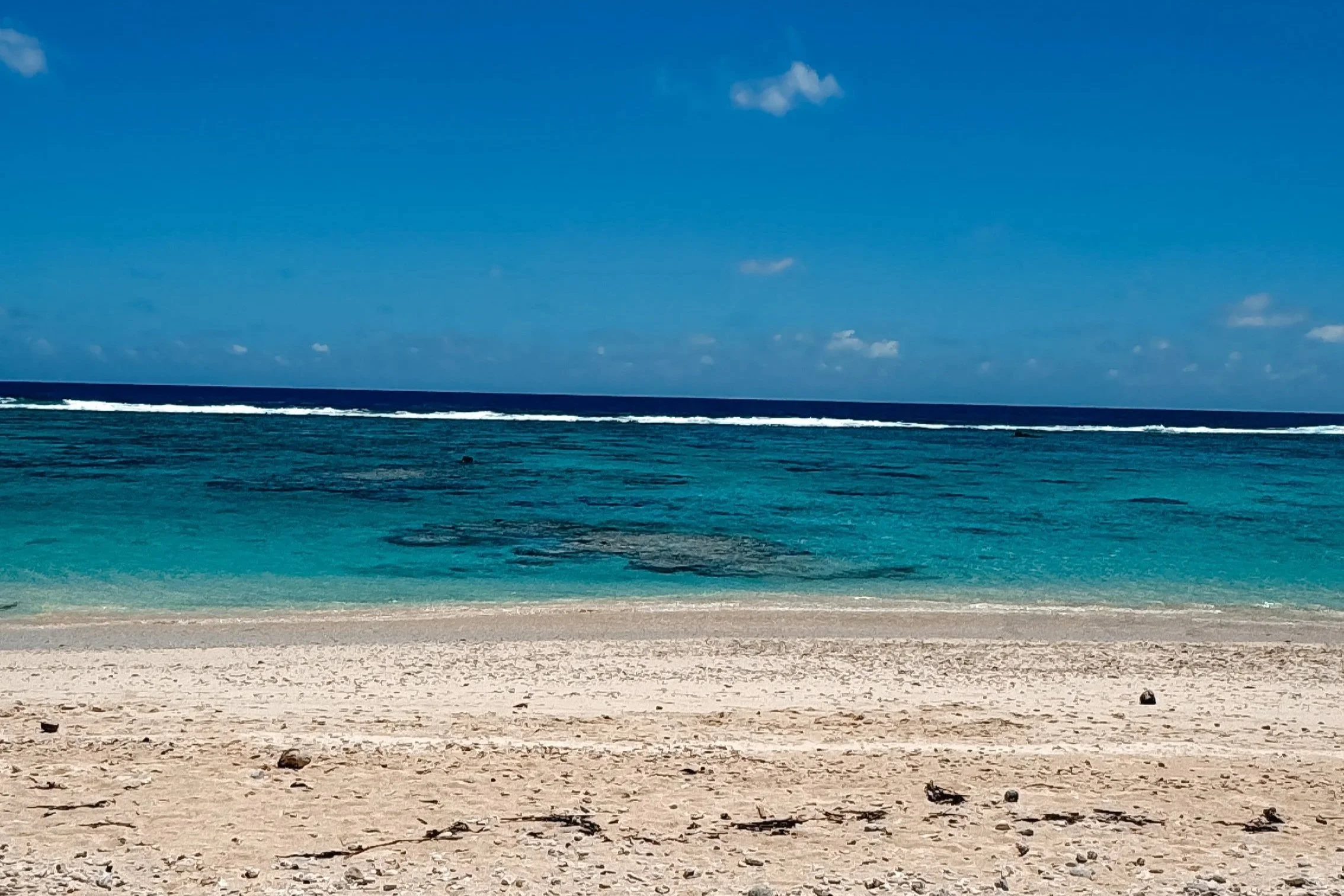
One of the things that makes the Cook Islands so special is the coral reef system surrounding many of the islands. These reefs create large turquoise lagoons between the shore and the open ocean.
The reef acts as a natural barrier, keeping the water calm, shallow, and ideal for swimming and snorkelling. You’ll often see tropical fish and coral just metres from the beach.
Because of this separation, sharks are extremely rare inside lagoons, which is why they are considered very safe for swimming.
That said, reef shoes are a good idea, as coral and reef rock can be sharp underfoot, and there are occasional sightings of stone fish.
Cook Islands Guides
Islands of the Cook Islands
The Cook Islands are made up of 15 islands, divided into two main groups: the Southern Group and the Northern Group.
For most travellers, the Southern Group is where you’ll spend your time. This is where you’ll find the most accessible islands, along with the main tourism infrastructure.
The Northern Group is far more remote, made up of scattered coral atolls with very limited visitor facilities, so it’s rarely included in typical itineraries.
In reality, most trips focus on just two islands:
- Rarotonga – the main hub, home to the international airport, along with the largest range of accommodation, restaurants, tours, and activities
- Aitutaki – a short flight away, known for its extraordinary turquoise lagoon and widely considered one of the most beautiful in the world
| Island | Group | Population | How to Get There | Things to Do / Tourism |
|---|---|---|---|---|
| Rarotonga | Southern | ~13,000 | International flights (main airport) | Most developed – beaches, markets, restaurants, tours, hiking |
| Aitutaki | Southern | ~1,800 | 50-minute flight from Rarotonga | Lagoon tours, snorkelling, One Foot Island, kayaking |
| Atiu | Southern | ~400 | Domestic flight | Caves, birdwatching, coffee plantations |
| Mangaia | Southern | ~500 | Domestic flight | Ancient coral cliffs, caves, cultural sites |
| Mauke | Southern | ~300 | Domestic flight | Quiet beaches, swimming caves, local culture |
| Mitiaro | Southern | ~200 | Domestic flight | Underground freshwater pools, fishing |
| Palmerston | Southern | ~60 | Occasional boat / yacht access | Very remote coral atoll, historical settlement |
| Takutea | Southern | Uninhabited | Special permit only | Protected bird sanctuary |
| Manuae | Southern | Uninhabited | Occasional boat access | Wild atoll, nature reserve |
| Manihiki | Northern | ~200 | Occasional domestic flight | Black pearl farms, lagoon fishing |
| Penrhyn (Tongareva) | Northern | ~250 | Occasional domestic flight | Huge lagoon, pearl farming |
| Rakahanga | Northern | ~80 | Boat via Manihiki | Traditional atoll lifestyle |
| Pukapuka | Northern | ~450 | Rare domestic flight | Very remote Polynesian culture |
| Nassau | Northern | ~70 | Boat via Pukapuka | Tiny remote island |
| Suwarrow | Northern | Uninhabited | Yacht / permit | National park, bird sanctuary |