SWITZERLAND
Switzerland Travel Guide: Mountains, Lakes and What to Expect
Switzerland is one of those places that feels almost too perfect to be real. Think alpine villages, glassy lakes, and mountain views that somehow look even better in person. It’s less about big cities and more about scenery, slow travel, and just taking it all in.
The Swiss Alps are the highlight, especially around Interlaken and the Jungfrau Region. You get those classic postcard views, and experiences like a lake cruise on Thun and Brienz or a panoramic bus tour to Grindelwald and Lauterbrunnen make it easy to experience without overplanning.
Zurich is usually where trips start. It’s easy, walkable, and a good base for day trips like the Rhine Falls tour. If you’re into food, the Lindt Chocolate House is an easy add-on.
Geneva feels completely different again, sitting on the French-speaking side near the Alps. From here, you can easily combine Switzerland with nearby France, or head out on a Mont Blanc day trip.
Places like Lucerne, Zermatt, and St. Moritz all offer something a bit different, from lakeside towns to high-end alpine resorts.
What makes Switzerland stand out is how easy it is. Trains run on time, connections are simple, and everything just works. It’s not cheap, but it’s one of the most seamless places to travel.
It suits travellers who want a mix of nature and comfort. You can hike in the morning, be on a lake by lunch, and finish the day somewhere really good for dinner.
Jump to: Guide • Weather • Practical Tips • Things to Do • Culture • Regions • Swiss Alps • Interlaken • Jungfrau Region • Grindelwald • Lauterbrunnen • Zurich • Geneva • Lucerne • Zermatt • St. Moritz • Bern • Europe Guides
Weather & Best Time to Visit Switzerland
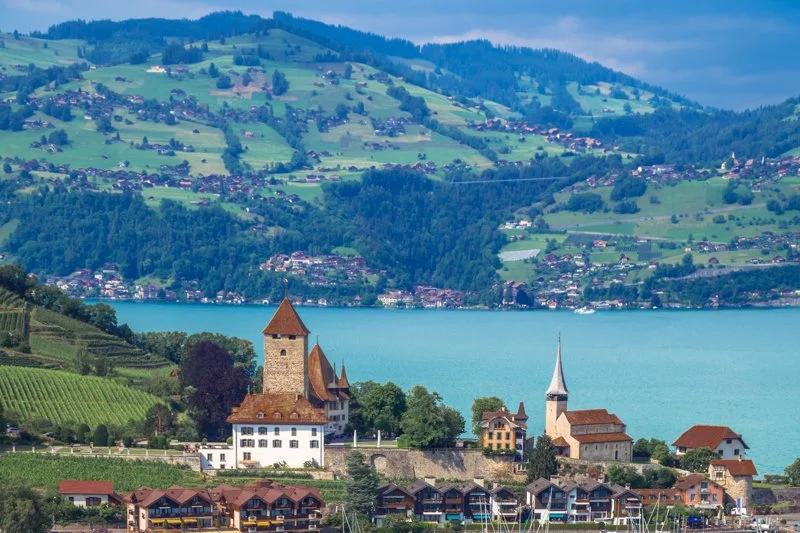
Switzerland has a true four-season alpine climate, and when you visit can completely change your experience. Unlike destinations where it’s just about hot or cold, here it’s more about what you want to do, from hiking in the Swiss Alps to skiing in places like Zermatt or St. Moritz.
The best time to visit for most travellers is late spring through early autumn, from May to October. This is when hiking trails are open, lakes around Interlaken and Lucerne are at their best, and mountain areas like the Jungfrau Region, Grindelwald, and Lauterbrunnen Valley are fully accessible. July and August are peak months, with long days, warm temperatures, and the clearest conditions for views.
Winter runs from December to March and is ideal if you’re visiting for snow. Ski resorts like Zermatt and St. Moritz are in full swing, and alpine towns feel completely different under snow. It’s also one of the most scenic times to visit if you’re after that classic Swiss winter look, though it comes with higher prices and colder temperatures.
Spring (April to early June) and autumn (September to October) are quieter and often overlooked. You’ll get fewer crowds, lower prices, and still beautiful scenery, especially around lakes and lower-altitude areas like Zurich and Geneva. The trade-off is that some higher mountain lifts and trails may still be closed depending on snow conditions.
Weather can change quickly in Switzerland, particularly in the mountains. It’s not uncommon to have sunshine, rain, and cloud all in the same day, so packing layers is essential no matter when you visit. Even in summer, mornings and evenings in alpine regions can be cool.
| Season | Spring 🌸 (Mar – May) | Summer ☀️ (Jun – Aug) | Autumn 🍂 (Sep – Nov) | Winter ❄️ (Dec – Feb) |
|---|---|---|---|---|
| Weather | Mild (8–18°C) Snow melting, mixed conditions |
Warm (18–30°C) Sunny, occasional storms |
Cool (8–20°C) Crisp air, clear days |
Cold (-5–5°C) Snow in alpine regions |
| Crowds | Low to moderate | High (peak season) | Moderate | High (ski resorts) Moderate in cities |
| Prices | 💰💰 | 💰💰💰 | 💰💰 | 💰💰💰 (ski areas) |
| Best For | Fewer crowds lower prices cities & lakes |
Hiking lakes & scenery Interlaken & Jungfrau Region |
Scenic views autumn colours quieter travel |
Skiing & snow Zermatt & St. Moritz winter landscapes |
Practical Tips for Visiting Switzerland
Most trips to Switzerland are built around regions rather than cities. You’ll usually base yourself in places like Interlaken, Lucerne, or Zurich and explore from there, rather than constantly moving hotels. The country is small, but the terrain means travel takes longer than it looks on a map.
Getting around is one of the easiest parts of visiting Switzerland. Trains are incredibly reliable, scenic, and connect almost everywhere, including mountain towns in the Jungfrau Region and beyond. That said, it’s not cheap. If you’re planning multiple journeys, passes like the Swiss Travel Pass can make a big difference.
One thing people don’t always realise is how expensive Switzerland is day-to-day. Food, transport, and accommodation all add up quickly. It’s worth booking things like hotels in Zurich early, especially in peak summer and ski season. Even casual meals can feel high-end price-wise, so mixing in supermarkets or casual takeaway spots helps balance it out.
Flights into Switzerland are usually through Zurich or Geneva. It’s worth comparing options early, especially in peak seasons, using tools like flight search options to Switzerland to get the best routes and pricing.
Switzerland runs on efficiency, and that includes small things travellers don’t always expect. Shops often close early (especially on Sundays), public transport runs exactly on time, and quiet hours are taken seriously in residential areas. It’s all part of how the country operates, but worth knowing so you don’t get caught out.
Cash is still widely accepted, but cards are used almost everywhere. That said, having some Swiss francs on hand is useful for smaller purchases, mountain huts, or rural areas.
Weather in the mountains can change quickly, even in summer. You might start the day in sunshine and end up in cloud or rain, especially in alpine areas like Grindelwald or Zermatt. Layers are essential no matter the season.
Travel insurance is one of those things that’s easy to overlook, but in Switzerland it’s especially important. Medical costs are high, and if you’re doing anything in the mountains, even basic hiking, it’s worth being covered. You can check options here: travel insurance for Switzerland.
One thing that surprises a lot of people is how multilingual Switzerland is. Depending on where you are, you’ll hear German, French, Italian, or Romansh. It changes by region, and it’s part of what makes travelling through the country feel so varied even over short distances.
Finally, Switzerland is less about ticking off attractions and more about the experience. Slow down a bit, take the scenic train instead of the fastest route, sit by the lake, and actually take in the views. That’s where it really stands out.
| Quick Facts | |
|---|---|
| Capital | Bern (not Zurich – this surprises a lot of people) |
| Currency | Swiss Franc (CHF). Cards are widely accepted, but small cash amounts are useful for cafes, mountain huts, and rural areas. |
| Language | Four official languages: German, French, Italian, and Romansh. The language changes by region, which is why places like Geneva feel completely different to Zurich. |
| Getting Around | Trains are the easiest and most efficient way to travel. They’re punctual, scenic, and connect cities to alpine areas like Interlaken and the Jungfrau Region. Expect higher costs, but very smooth travel. |
| Power Plugs | Type C and J plugs. A European adapter will usually work, but Type J is specific to Switzerland. |
| Best Time to Visit | June to September for hiking, lakes, and scenery. December to March for skiing in places like Zermatt and St. Moritz. |
| Culture Tip | Punctuality matters. Trains, bookings, and even casual meet-ups run on time, and being late is noticed more than in most places. |
| Good to Know | Shops are often closed on Sundays and evenings. Plan ahead for food or essentials, especially outside major cities. |
| Trip Planning |
Switzerland is best planned by region rather than trying to see everything at once. Base yourself in one or two areas and explore from there. Search flights to Switzerland Browse hotels in Zurich |
| Average Cost |
$250–$800+ AUD per night for hotels, depending on location and season. Food and transport are also on the higher end compared to most of Europe. Switzerland is one of the most expensive countries in Europe, so budgeting ahead makes a big difference. |
Things to Do in Switzerland
Switzerland isn’t about ticking off a long list of sights. It’s more about where you base yourself and the experiences you build around it. Mountains, lakes, scenic trains, and a few standout day trips - that’s really where it shines.
The Jungfrau Region is the big one. This is where you get the views Switzerland is known for, and heading up to Jungfraujoch is one of those bucket list experiences. You can do it from multiple bases depending on your route, including Interlaken or on a day trip from Lucerne. If you’re short on time, there are also Swiss Alps day trips from Zurich that cover a lot in one go.
Zurich is more than just a gateway city. It’s actually a really good place to slow down for a day or two, especially around the Old Town and lake. A Zurich city tour with chocolate tasting and a lake cruise is an easy way to get a feel for it without overplanning.
If you want something a bit different, Switzerland is one of the easiest countries in Europe to combine with others. You’re right in the middle of everything, and borders are close. This multi-country day trip from Zurich is a good example — you can cross into a few neighbouring countries in a single day without it feeling rushed.
For a mix of views without too much effort, experiences that combine different elements work really well here. Things like this Zurich walking tour, lake cruise, and cable car ride give you a bit of everything in one day.
If you’re still working out your itinerary, I’ve pulled together my go-to options here: browse recommended Switzerland tours and activities. It’s a good mix depending on how you like to travel.
Switzerland is one of those places where you don’t need to overfill your itinerary. Pick a couple of regions like Interlaken, Lucerne, or Zermatt, add in a few well-chosen experiences, and let the scenery do the rest.
Switzerland Travel Guide: Culture, History and What to Expect
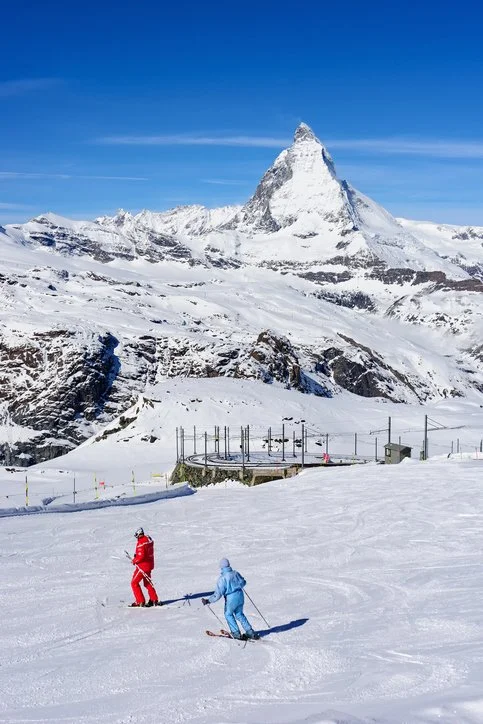
Switzerland has a really unique identity, and it’s not just about the scenery. It’s one of the few countries in Europe with four official languages - German, French, Italian, and Romansh - and you genuinely feel that shift as you move between places like Zurich, Geneva, and Ticino. It almost feels like travelling through multiple countries in one trip.
Historically, Switzerland wasn’t always one country. It started as a group of independent regions (cantons) that joined together in the late 1200s for protection. Over time, it grew into the Switzerland we know today, but each canton still has a strong local identity, which is why traditions, food, and even architecture can feel quite different depending on where you are.
One of the most interesting things is Switzerland’s neutrality. It hasn’t been involved in a war since the early 1800s, which is rare for Europe. Instead, it became known for diplomacy, international organisations, and stability. Cities like Geneva are now global hubs for things like the United Nations and Red Cross.
There’s also a strong culture of independence and trust. Switzerland runs on direct democracy, meaning locals regularly vote on national decisions. It’s not something you necessarily see as a visitor, but it explains a lot about how the country operates so smoothly.
Day-to-day culture is more subtle. It’s clean, organised, and respectful. Things run on time, rules are followed, and there’s a quiet pride in doing things properly. It might feel a bit reserved at first, but once you settle into it, it just works.
What stands out most is how culture is woven into everyday life rather than being something separate. Whether it’s sitting by a lake in Lucerne, walking through an old town, or heading up into the Swiss Alps, it all feels intentional, calm, and very Swiss.
Before You Go
Sorting a few basics before you travel makes a big difference once you arrive. Having mobile data ready to go and travel insurance in place is one of those things you don’t think about until you need it.
If you’re short on time or don’t want to organise transport yourself, a panoramic glass-roof bus tour to Grindelwald and Lauterbrunnen is a really easy way to see places like Grindelwald and Lauterbrunnen Valley in one go.
Zurich is usually the main entry point, but it’s more than just a stopover. The Old Town is walkable, the lake is right there, and it’s a good base for day trips. One of the most popular is the Rhine Falls and Stein am Rhein tour, which gives you a mix of nature and traditional Swiss towns.
If you’re into food experiences (and honestly, you should be here), the Lindt Chocolate House experience in Zurich is one of the easiest and most fun things to add to your itinerary.
On the French-speaking side, Geneva feels completely different again. It’s more polished, more international, and sits right on the edge of the Alps. From here, you can easily cross into France, with places like Strasbourg linking naturally into a wider France itinerary. A Mont Blanc day trip from Geneva is one of the most popular ways to experience the surrounding mountains without needing to plan too much.
Beyond that, places like Lucerne, Zermatt, and St. Moritz all offer completely different takes on the Swiss landscape, from lakeside towns to high-end alpine resorts.
What makes Switzerland stand out is how easy everything is. Trains run on time, connections are simple, and even the most remote places feel accessible. It’s not the cheapest destination, but it’s one of the most seamless, especially if you want big scenery without complicated logistics.
It suits travellers who want a mix of nature and comfort. You can hike in the morning, be on a lake by lunch, and sitting down to a really good meal by the evening. It’s clean, calm, and incredibly scenic without feeling overwhelming.
If you’re short on time or don’t want to organise transport yourself, a panoramic glass-roof bus tour to Grindelwald and Lauterbrunnen is a really easy way to see places like Grindelwald and Lauterbrunnen Valley in one go.
Zurich is usually the main entry point, but it’s more than just a stopover. The Old Town is walkable, the lake is right there, and it’s a good base for day trips. One of the most popular is the Rhine Falls and Stein am Rhein tour, which gives you a mix of nature and traditional Swiss towns.
If you’re into food experiences (and honestly, you should be here), the Lindt Chocolate House experience in Zurich is one of the easiest and most fun things to add to your itinerary.
On the French-speaking side, Geneva feels completely different again. It’s more polished, more international, and sits right on the edge of the Alps. From here, you can easily cross into France, with places like Strasbourg linking naturally into a wider France itinerary. A Mont Blanc day trip from Geneva is one of the most popular ways to experience the surrounding mountains without needing to plan too much.
Beyond that, places like Lucerne, Zermatt, and St. Moritz all offer completely different takes on the Swiss landscape, from lakeside towns to high-end alpine resorts.
What makes Switzerland stand out is how easy everything is. Trains run on time, connections are simple, and even the most remote places feel accessible. It’s not the cheapest destination, but it’s one of the most seamless, especially if you want big scenery without complicated logistics.
It suits travellers who want a mix of nature and comfort. You can hike in the morning, be on a lake by lunch, and sitting down to a really good meal by the evening. It’s clean, calm, and incredibly scenic without feeling overwhelming.
If you’re short on time or don’t want to organise transport yourself, a panoramic glass-roof bus tour to Grindelwald and Lauterbrunnen is a really easy way to see places like Grindelwald and Lauterbrunnen Valley in one go.
Zurich is usually the main entry point, but it’s more than just a stopover. The Old Town is walkable, the lake is right there, and it’s a good base for day trips. One of the most popular is the Rhine Falls and Stein am Rhein tour, which gives you a mix of nature and traditional Swiss towns.
If you’re into food experiences (and honestly, you should be here), the Lindt Chocolate House experience in Zurich is one of the easiest and most fun things to add to your itinerary.
On the French-speaking side, Geneva feels completely different again. It’s more polished, more international, and sits right on the edge of the Alps. From here, you can easily cross into France, with places like Strasbourg linking naturally into a wider France itinerary. A Mont Blanc day trip from Geneva is one of the most popular ways to experience the surrounding mountains without needing to plan too much.
Beyond that, places like Lucerne, Zermatt, and St. Moritz all offer completely different takes on the Swiss landscape, from lakeside towns to high-end alpine resorts.
What makes Switzerland stand out is how easy everything is. Trains run on time, connections are simple, and even the most remote places feel accessible. It’s not the cheapest destination, but it’s one of the most seamless, especially if you want big scenery without complicated logistics.
It suits travellers who want a mix of nature and comfort. You can hike in the morning, be on a lake by lunch, and sitting down to a really good meal by the evening. It’s clean, calm, and incredibly scenic without feeling overwhelming.
Europe Region Guides

Popular Regions in Switzerland
Swiss Alps
The Swiss Alps are what most people picture when they think of Switzerland. Snow-capped peaks, alpine villages, waterfalls, and some of the best scenery in Europe.
This region isn’t just one place. It stretches across the country, with highlights around Interlaken, the Jungfrau Region, Zermatt, and St. Moritz. Each area has a slightly different feel, but the landscapes are consistently unreal.
In summer, it’s all about hiking, cable cars, and lake views. In winter, it completely shifts into ski season, with some of the best slopes in Europe.
You don’t need to overcomplicate it. Pick one base, stay a few nights, and explore from there. The scenery does most of the work for you.
Interlaken
Interlaken is one of the most popular bases in Switzerland, and for good reason. It sits right between Lake Thun and Lake Brienz, with easy access into some of the best alpine scenery in the country.
It’s known as the adventure hub of Switzerland, and this is where you lean into it a bit. You’ve got everything from a beginner canyoning experience in the Swiss Alps to high-speed lake rides like this Interlaken jetboat experience.
If you’re more about the scenery than adrenaline, it’s just as good. A lake cruise on Thun and Brienz is one of the easiest ways to take it all in, or you can head into the mountains on a panoramic bus tour to Grindelwald and Lauterbrunnen.
It’s a great mix of scenery and convenience. Trains run everywhere, tours are easy to organise, and you can see a lot without constantly moving hotels.
If it’s your first time in Switzerland, this is one of the easiest places to base yourself and explore from.
Jungfrau Region
The Jungfrau Region is one of the most iconic parts of Switzerland, and it’s usually the reason people book a trip in the first place. This is where you get the classic alpine views - dramatic peaks, green valleys, waterfalls, and those picture-perfect mountain towns.
People come here for the scenery, but also for the experience. Mountain trains, cable cars, and viewpoints like Jungfraujoch make it easy to get right up into the Alps without needing to hike.
It’s also home to places like Grindelwald and Lauterbrunnen, which feel exactly like what you imagine Switzerland to look like.
If you’re after that “this doesn’t look real” kind of landscape, this is it.
Grindelwald
Grindelwald is one of those places that feels exactly how you imagine Switzerland. Mountain views in every direction, easy access to walking trails, and a really relaxed alpine feel.
It’s a great base if you want to get straight into the scenery. You can keep it easy with something like the Glacier Canyon walk, or go a bit further with a guided day hike in Grindelwald.
If you want something iconic, heading up First is a must. This First Cliff Walk and adventure ticket gives you those classic views without needing to plan too much.
It’s simple, scenic, and one of the easiest places to slow down and just take it all in.
Lauterbrunnen Valley
Lauterbrunnen Valley is one of the most iconic landscapes in Switzerland, and it’s usually the place you’ve seen all over Instagram. It’s a deep valley surrounded by sheer cliffs, with waterfalls dropping down from almost every direction.
It’s often called the valley of 72 waterfalls, which gives you an idea of how dramatic it is. The most famous is Staubbach Falls, but honestly, you’ll see waterfalls everywhere you look.
This area sits right next to Grindelwald and is easy to visit from there, but the feel is completely different. It’s quieter, flatter, and more about walking through the valley rather than heading straight up the mountain.
You’ll also find small car-free villages like Wengen and Mürren above the valley, which are worth heading up to if you have time.
If you’re planning what to do here, you can browse options here: Lauterbrunnen Valley tours and experiences.
If you’re after that classic “this can’t be real” Switzerland moment, this is it.
Zurich
Zurich is usually the starting point for a Switzerland trip, but it’s worth slowing down for a day or two. It’s the country’s largest city, set right on the lake, with a mix of old town streets, water views, and a really easy, walkable feel. :contentReference[oaicite:0]{index=0}
The Old Town is where you’ll spend most of your time, with historic buildings, cafés, and river views all packed into a small area. It’s got over 2,000 years of history behind it, but still feels modern and relaxed.
If you want an easy way to see it all, a Zurich city tour or guided walking tour is a good starting point.
Zurich also leans into food more than people expect. You can do something a bit different like a fondue and wine tuk tuk experience, or head out of the city on a Gruyères cheese and chocolate day trip.
It’s not the most dramatic part of Switzerland, but it’s one of the easiest places to arrive, reset, and ease into the trip before heading into the mountains.
Geneva
Geneva feels completely different to the rest of Switzerland. It sits on the French-speaking side, right on Lake Geneva, and has a more international, polished feel compared to places like Zurich.
It’s known for diplomacy and global organisations, with the United Nations and Red Cross based here, which gives the city a slightly more global energy than you might expect}
The setting is what really makes it. You’ve got the lake, mountain views, and easy access into both the Alps and nearby France. If you want to explore without overthinking it, a Geneva tuk tuk city tour is a fun way to see the highlights.
It also works really well as a base for day trips. You can easily cross into France, and places like Annecy are close by. This Geneva to Annecy day trip is a good option if you want something a bit different.
It’s less about big attractions and more about the setting. Slower pace, lake views, and that slightly more European mix you don’t always get elsewhere in Switzerland.
Lucerne
Lucerne is one of the most picturesque cities in Switzerland, sitting right on Lake Lucerne with mountains rising up around it. It’s smaller and a bit more relaxed than Zurich, but with just as much charm.
The Old Town is what people come for, with colourful buildings, cobblestone streets, and the iconic Chapel Bridge running across the river. It’s compact, easy to walk, and feels very “classic Switzerland.”
It’s also a great base for getting into the mountains without going too far. You’ve got easy access to places like Mount Pilatus and Mount Rigi, along with scenic boat rides straight from the city.
If you want that mix of lake, mountains, and a really pretty town all in one place, Lucerne is hard to beat.
Zermatt
Zermatt is all about one thing — the Matterhorn. It’s one of the most recognisable mountains in the world, sitting right on the Swiss–Italian border and shaping the entire feel of the town.
The village itself is car-free, which is part of why it feels so calm and clean. You arrive by train, and everything from there is electric taxis, walking, or cable cars. It’s small, but surrounded by some of the most dramatic scenery in the Alps.
It started as a farming village, but everything changed after the first ascent of the Matterhorn in 1865, which put Zermatt on the map for mountaineering and tourism.
Now, it’s a year-round destination. In winter, it’s one of the best ski areas in Europe. In summer, it’s all about hiking, views, and getting up into the mountains without needing to climb anything technical.
If you want to experience it properly, you can explore the area on something like this Matterhorn and Glacier Paradise tour, or keep it simple with a Zermatt village walking tour.
If you’re visiting in winter, it’s also one of the best places to learn, with options like beginner ski lessons in Zermatt.
It’s a bit more polished and expensive than other areas, but if you want that iconic Switzerland experience, this is where you’ll find it.
St. Moritz
St. Moritz is Switzerland at its most polished. It’s one of the original luxury alpine destinations, known for high-end hotels, winter sports, and that classic “ski town” feel, but done properly.
It actually hosted the Winter Olympics twice, which says a lot about its history and reputation. Today, it’s just as popular in summer, with lakes, hiking, and a slightly quieter version of the same scenery.
The setting is beautiful, sitting in the Engadin Valley with wide open views and a frozen lake in winter that turns into everything from horse racing tracks to ice skating.
If you want to get a feel for the place, something like this St. Moritz highlights tour with a local or a cultural walking tour is a good way to explore beyond just the views.
In winter, it’s all about skiing, and if you want to make the most of it, a ski safari with an instructor is a great way to see more of the area.
It’s definitely on the more expensive side, but if you’re after that luxury alpine experience, this is where Switzerland really leans into it.
Bern
Bern is the capital of Switzerland, but it doesn’t feel like one. It’s small, relaxed, and built around a beautifully preserved medieval old town that hasn’t changed much in centuries.
The entire Old Town is a UNESCO World Heritage site, with sandstone buildings, covered arcades, and fountains that date back hundreds of years. It’s one of the best-preserved medieval cities in Europe, and you really feel that just walking through it.
The city was founded in 1191 and sits in a bend of the Aare River, which gives it that unique layout you see on maps. There’s also a long-standing connection to bears (it’s literally where the name comes from), and you’ll see that symbol everywhere.
It’s a great place to slow down for a day. Wander the streets, sit by the river, and take it in without trying to overplan. If you want a bit more structure, a private Bern tour with a local guide or this self-guided Bern walking tour is an easy way to explore.
If you want something a bit different, you can even head out on a Spiez castle tour from Bern for a mix of history and scenery.
It’s not flashy, but that’s kind of the point. Bern is more about atmosphere than attractions, and it does that really well.