BELGIUM
Travel Guide Belgium
Belgium is one of the easiest countries in Europe to travel, but it’s often underestimated. You’ve got medieval cities like Bruges and Ghent, creative hubs like Antwerp, the capital Brussels, dramatic spots like Dinant, and historic sites like Ypres, all within a short distance, plus quieter countryside areas that most people skip.
This Belgium travel guide covers the best places to visit, how to plan your route, and what to prioritise depending on how much time you have. You can build your trip around the main cities, add in day trips, or mix in guided tours if you want a more structured way to see things without overplanning it.
Across Bruges, Ghent, Antwerp and Brussels, you’ll find historic centres, canals, food spots, museums and easy train connections between each stop. If you’re short on time, tours can help you cover multiple places in a day, while slower trips let you experience each city properly.
Use this guide to work out what’s actually worth your time, where to base yourself, and how to plan a Belgium itinerary that feels straightforward, not rushed.
Jump to: Travel Tips • Best Time to Visit • Best Cities • Travel Guides • Brussels • Bruges • Ghent • Antwerp • Ypres • Dinant
Practical Tips for Visiting Belgium
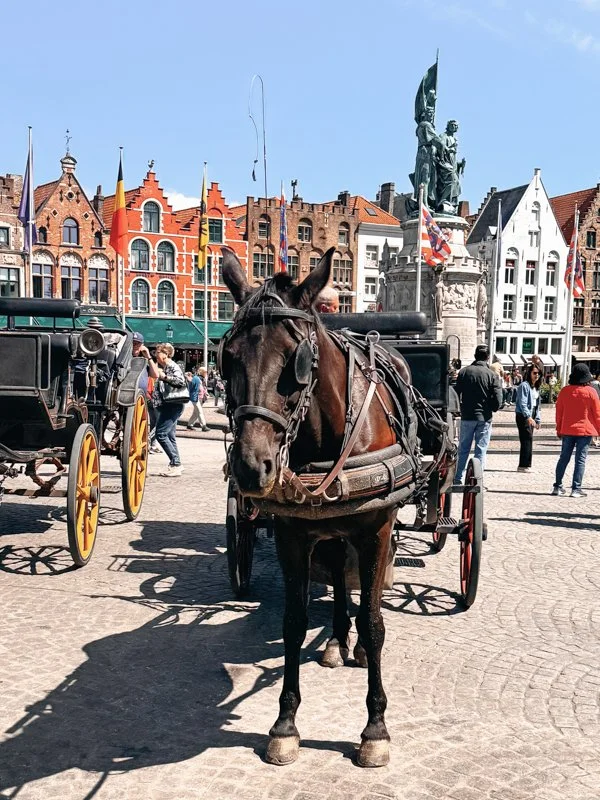
Before planning your trip, it helps to understand how Belgium works on the ground. These Belgium travel tips cover the basics, from language regions and getting around to payments and petrol stations.Belgium is small but split into distinct regions. Flanders (Bruges, Ghent and Antwerp) is Dutch-speaking, while Wallonia is French-speaking, with Brussels sitting in the middle as a bilingual capital. English is widely spoken, but you’ll still notice differences depending on where you are.
Getting around is easy, with fast trains connecting Brussels, Bruges, Ghent and Antwerp. If you’re heading to places like Dinant, Ypres or the countryside, driving gives you more flexibility. Just note that outside major cities, some petrol stations and smaller shops may only accept Belgian debit cards, so it’s worth carrying a bit of cash or planning ahead.
Use the quick facts below to plan your Belgium itinerary and avoid the common things that catch people out.
| Quick Facts | |
|---|---|
| Capital | Brussels |
| Currency | Euro (€). Card is widely accepted, but some petrol stations and smaller shops may only accept local debit cards. It’s worth carrying some cash or planning stops where staff are available. |
| Language | Belgium has three official languages: Dutch (Flemish) in the north (Flanders), French in the south (Wallonia), and German in a small eastern region. English is widely spoken in major cities. |
| Getting Around | Trains are the easiest way to travel between Brussels, Bruges, Ghent and Antwerp. Driving is useful for places like Dinant, Ypres and the countryside, but city centres are best explored on foot. |
| Power Plugs | Type C and E plugs (standard European). |
| Best Time to Visit | Spring (April to June) and early autumn (September to October) are the best times to visit. Summer is popular but busier, especially in Bruges and Brussels. |
| Culture Tip | Belgium varies by region. Flemish areas like Bruges, Ghent and Antwerp feel slightly different to French-speaking areas like Brussels and Wallonia. Menus, signs and local customs can change depending on where you are. |
| Good to Know | Outside of major cities like Bruges, Brussels and Antwerp, some petrol stations are automated and may only accept Belgian bank cards. If you’re driving, plan ahead, carry some cash, or look for attended stations. |
| Average Hotel Price | €120 to €350 per night depending on city and season. Bruges and Brussels are typically the most expensive, especially in peak periods. |
Weather and Best Time to Visit Belgium
Belgium has a mild, temperate climate with warm summers, cool winters and rain possible year-round.The best time to visit Belgium is spring (April to June) and early autumn (September to October), when the weather is comfortable for exploring Bruges, Ghent, Antwerp and Brussels without peak crowds.
Summer is the busiest period, with warmer temperatures, long days and a lively atmosphere, but higher prices and more tourists, especially in Bruges and Brussels.
Winter is colder but quieter, with Christmas markets in cities like Bruges and Brussels and fewer crowds outside the holiday season.
| Season | Spring 🌸 | Summer ☀️ | Autumn 🍂 | Winter ❄️ |
|---|---|---|---|---|
| Weather | 🌤️ Mild 10–18°C |
☀️ Warm 18–26°C |
🌦️ Cool 10–18°C |
🌥️ Cold 2–8°C |
| Crowds | 🙂 Moderate | 😅 Busy Peak in Bruges & Brussels |
🙂 Moderate | 😌 Quiet 🎄 Markets in Dec |
| Prices | 💰💰 | 💰💰💰 | 💰💰 | 💰💰 💰💰💰 Xmas |
| Best For | Cities day trips |
Atmosphere long days |
Food fewer crowds |
Christmas markets quiet travel |
Belgium and Europe Travel Guides
Best Cities and Areas To Visit In Belgium
Brussels
The capital and main hub, with easy connections across Europe and beyond.
Brussels is where most trips start. It’s well connected, with direct flights from across Europe and international routes to the USA, Australia, Canada, New Zealand and the UK, making it an easy entry point into Belgium.
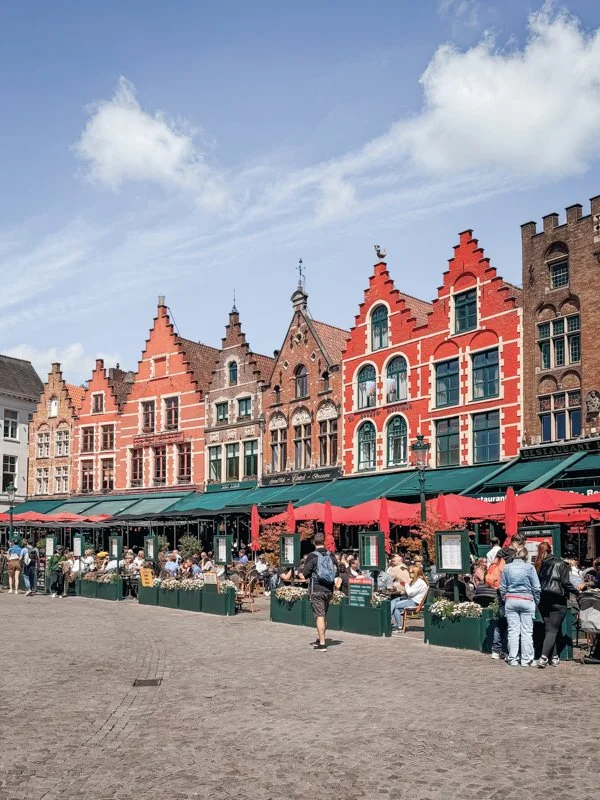
The city itself is a mix of historic landmarks, museums and local food culture. You’ve got the Grand Place at the centre, surrounded by detailed buildings, plus chocolate shops, beer spots and museums spread across the city.
If it’s your first time, focus on the main highlights, then build in a few experiences depending on what you’re into.
Top experiences in Brussels:
Grand Place & central Brussels tickets and tours
Belgian chocolate making workshop & tasting
Autoworld Museum entry – a full car museum with classic and historic vehicles
Belgian Beer World ticket with rooftop beer experience
Flanders Fields remembrance day tour (from Brussels)
Brussels works well as a base, but you don’t need too long here. One to two days is usually enough to see the main sights before heading to Bruges, Ghent or Antwerp.
Bruges
Belgium’s most iconic canal city, best explored slowly on foot.
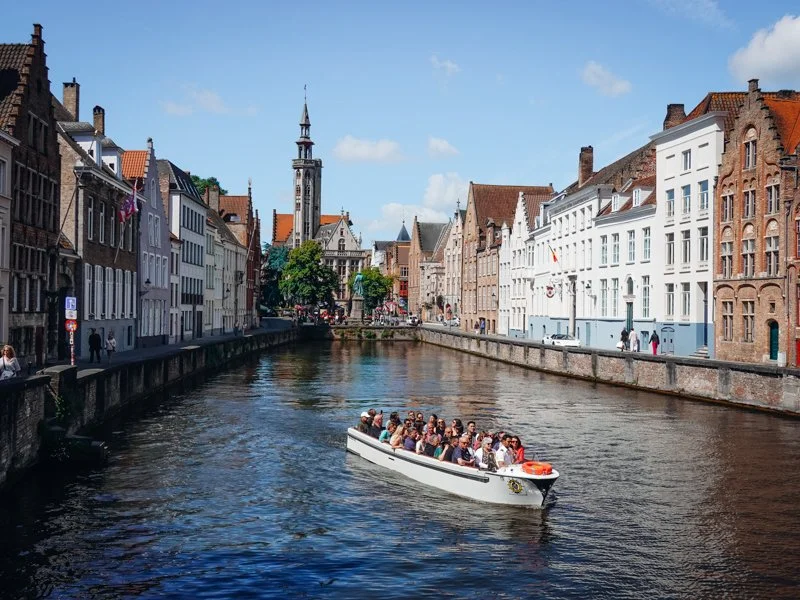
I stayed in Bruges for 4 days, and it’s one of those places that’s just easy to be in. The whole city is walkable, with canals, cobblestone streets and constant little spots to stop at. There are heaps of cool, local places to eat and drink, and it never really feels like you need to rush anywhere.
If you’re short on time, just be aware Bruges gets busy. When cruise ships dock, large tour groups get bused in and the centre can feel packed pretty quickly. Early mornings and evenings are the best times to explore when it’s quieter.
If it’s your first time, mix in a couple of key experiences with time to just wander. That’s where Bruges is at its best.
Top experiences in Bruges:
Boat cruise and guided walking tour
Historic walking tour of Bruges
Private photoshoot in Bruges (Instagram spots)
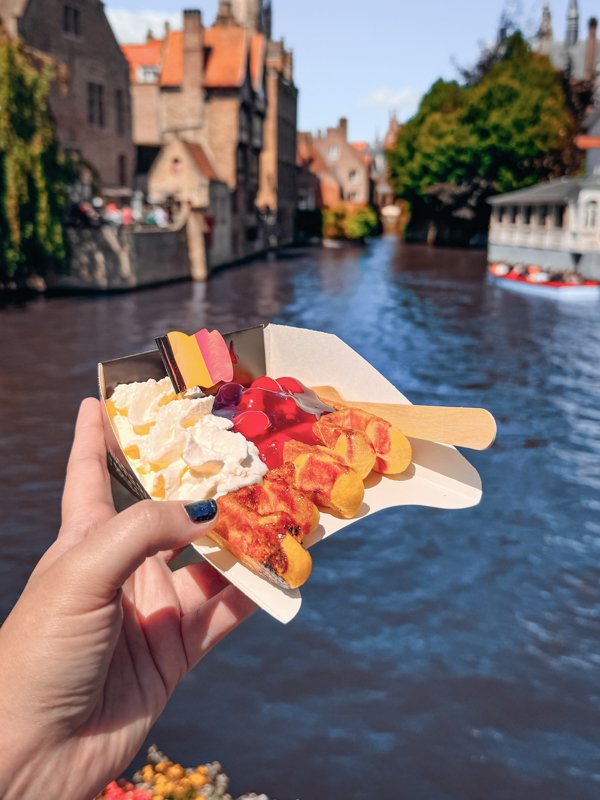
Belgian waffle making workshop
Flanders Fields day tour from Bruges
Private WWI battlefield tour to Ypres with expert guide
Bruges is best enjoyed at a slower pace. Two days is enough to see the main sights, but if you’ve got longer, it’s worth it just to enjoy the atmosphere properly.
Ghent
A historic city with fewer crowds and a more local, lived-in feel.
Ghent has a similar look to Bruges, but it feels less polished and a bit more real. You’ve still got canals, medieval buildings and big landmarks, but there’s also a strong local vibe with students, bars and a really good food scene.
It’s a good option if Bruges feels a bit too busy or touristy. You can still get those classic Belgium views, just with a bit more space and a more relaxed pace.
Ghent is easy to explore on foot, but it’s also the kind of place where you’ll end up stopping a lot, whether it’s for food, drinks or just to take in the atmosphere along the canals.
Top experiences in Ghent:
50-minute medieval centre boat trip
Charlie’s famous chocolate tour
Hot air balloon tour over Ghent
Instagram photo spots tour with a local guide
Ghent works well as a day trip or an overnight stay. If you’ve got the time, it’s worth slowing down here a bit compared to Bruges.
Antwerp
A more modern, creative city known for fashion, design and a strong food and bar scene.
Antwerp feels different to Bruges and Ghent. It’s less about canals and medieval streets, and more about fashion, shopping, nightlife and a slightly edgier city vibe. It still has historic areas, but overall it feels more current and lived-in.
It’s a good stop if you want a mix of sightseeing and something a bit more social, with plenty of bars, restaurants and things to do at night.
Getting here is easy, and it works well as either a stop between cities or a short stay on its own.
Book airport transfers or buses
If it’s your first time, focus on the main areas, then build in a couple of activities depending on what you’re into.
Top experiences in Antwerp:
Tuk Tuk tour through historic Antwerp (1.5 hours)
Antwerp pub crawl in the historic city
Must-see attractions private walking tour
Antwerp bike tour – highlights and beyond
Antwerp is a good contrast to the more traditional cities. One to two days is usually enough to see the highlights and enjoy the atmosphere.
Ypres
A key destination for World War I history, battlefields and remembrance sites.
Ypres is very different to the rest of Belgium. It’s quieter, more reflective, and centred around World War I history, with battlefields, memorials and cemeteries spread across the region.
There are a huge number of sites to visit, not just in Ypres itself but across West Flanders and into northern France. If you’re really interested in the history, it’s worth allowing enough time to explore properly rather than rushing through.
A lot of the tours are split by focus, with some covering Commonwealth sites (Australia, Canada, UK, New Zealand, South Africa) and others more focused on American history. When I went, I met my dad and we spent time visiting the Australian sites across West Flanders and into France before he headed home, which made it a really meaningful part of the trip.
If you want flexibility, hiring a car is a good option. It makes it much easier to reach multiple locations in a day, especially some of the more spread-out sites.
Compare car hire for exploring Ypres and the surrounding battlefields
If you’d rather not plan it yourself, guided tours are the easiest way to understand what you’re seeing and cover multiple sites efficiently.
Top battlefield tours in Ypres:
Ypres battlefield tour – exploration of the deadly salient
Private Flanders Fields battlefield tour from Ypres
Hidden Ypres self-guided audio tour
Dinant
A small riverside town with dramatic views, best done as a short stop or day trip.
Dinant looks completely different to the rest of Belgium. It’s set along the Meuse River, with steep cliffs, a colourful row of buildings, and the citadel sitting right up on the rock above the town.
It’s one of the most scenic spots in the country, but it’s also quite small. You don’t need a full day here unless you’re planning to explore the wider region. A few hours is usually enough to walk through the centre, take in the views and head up to the citadel.
Honestly, Dinant works best as part of a bigger day. It pairs really well with places like Luxembourg or other towns in the region rather than being a standalone stop.
If you want something a bit different, there are some good experiences just outside town as well.
Top experiences in Dinant:
Château de Bioul tour and wine tasting (near Dinant)
If you don’t want to organise it yourself, there are some really good day trips from Brussels that combine multiple stops into one day.
Luxembourg day trip from Brussels (two countries in one day)
Private day trip covering Namur, Huy, Bouillon and Dinant
These tours take you through the Meuse and Lesse valleys, with stops at places like Namur, Huy and Bouillon before finishing in Dinant. It’s a really easy way to see a lot of the region without needing to plan transport between each stop.
Dinant isn’t somewhere you need to overplan. Go for the views, take your time walking along the river, and treat it as part of a bigger day rather than the main destination.