Monet’s House in Giverny: Tickets & Day Trip from Paris
There is a particular kind of magic that happens when you step into a place you have only ever seen in paintings, and that is exactly what visiting Giverny feels like.
Seeing Claude Monet's home and gardens had been on my France bucket list for years, and it absolutely lived up to the hype. Walking through the water garden, standing on the Japanese bridge, and seeing the flower paths that inspired his most famous paintings feels surreal. I visited on a day trip that combined Giverny with Versailles, and honestly, it was one of the best days of my entire France trip.
If you are planning a day trip to Giverny from Paris, this guide covers everything you need: how to get there, visiting Monet's house and gardens, ticket prices, the best time to visit, and whether combining Giverny and Versailles in one day is really worth it.
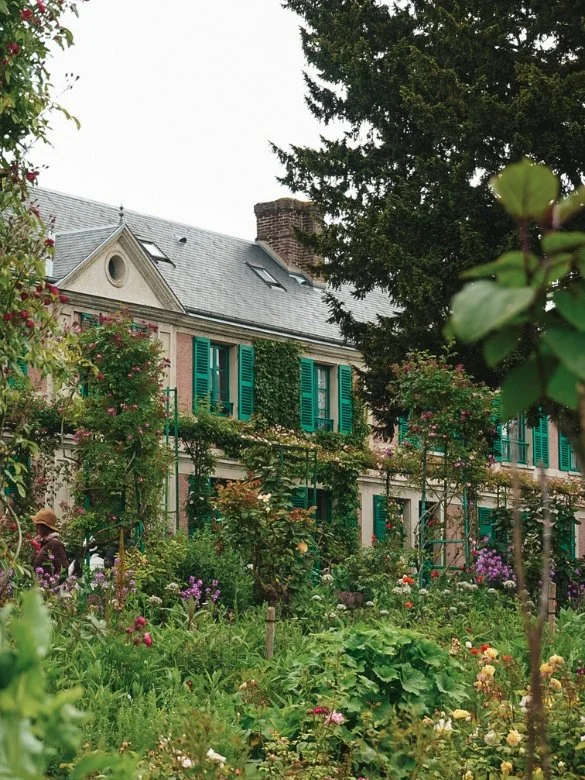
Monet’s Pink Garden House
Jump to:
Tickets & Tours to Monet Gardens • What is Giverny and Where is It? • What to Expect Visiting Monet’s House and Gardens • The Clos Normand • The Water Garden and Lilies • Claude Monet’s Pink House • Why Giverny Matters • Opening Hours and Ticket Prices • How to Get to Giverny from Paris • Best Time to Visit • My Tips for Visiting • Giverny FAQ
Monet’s House & Gardens Skip-the-Line Entry
One of the easiest ways to visit Claude Monet’s home and famous gardens in Giverny without the long queues. Perfect during spring and summer when the gardens are at their best.
What is Giverny and Where is It?
Giverny is a small village in Normandy, in the Eure department of northern France. It sits on the right bank of the Seine, about 80 kilometres northwest of Paris. By train and shuttle it takes roughly 1.5 hours to reach. By car, just over an hour.
The village itself is tiny, but it is home to one of the most visited attractions in all of Normandy: the Fondation Claude Monet, the beautifully preserved home and gardens where Impressionist painter Claude Monet lived from 1883 until his death in 1926.
Despite being small, Giverny is very straightforward to visit from Paris as a day trip, which is exactly why so many people make the journey every year.
What to Expect Visiting Monet's House and Gardens in Giverny
The visit is split into two distinct gardens plus the house itself. Allow at least 2 to 3 hours to see it properly.
The Clos Normand (Flower Garden)
The Clos Normand is the garden directly in front of Monet's house, covering roughly one hectare of carefully structured flower beds. Climbing roses, hollyhocks, poppies, daisies, wisteria, and hundreds of species that Monet planted himself fill the space, mixing rare varieties with the simplest wildflowers. The central alley is covered by iron arches draped in climbing roses and is one of the most photographed spots on the entire property. In full bloom from late spring through early summer, it is genuinely breathtaking.
One thing to know: to protect the plants, the inner paths are closed to visitors. You walk along the side alleys and view the flower beds from the edges. It sounds restrictive, but it actually works beautifully. The compositions you see from the walkways feel deliberate, like looking at a living painting.
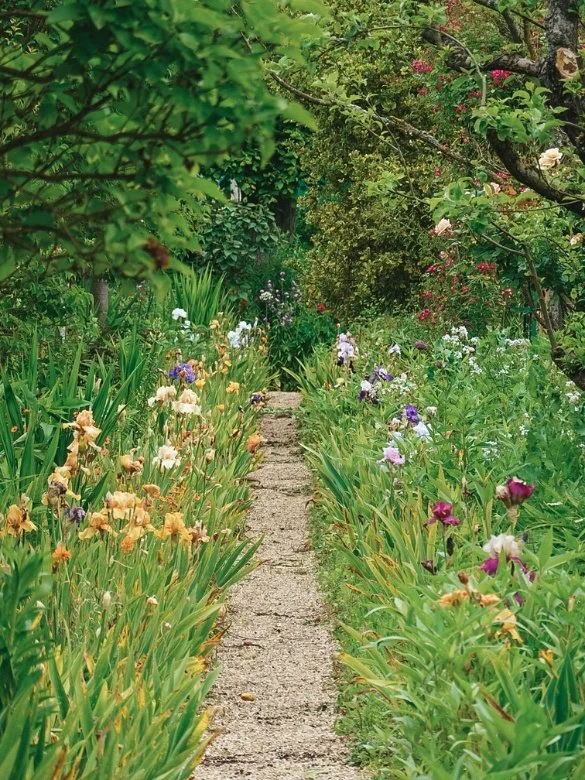
The Flower Garden at Monets House and Gardens
The Water Garden and Lilies
To reach the water garden, you pass through a small underground tunnel (in Monet's time, visitors had to cross a railway line to get here). On the other side, you step into a completely different world.
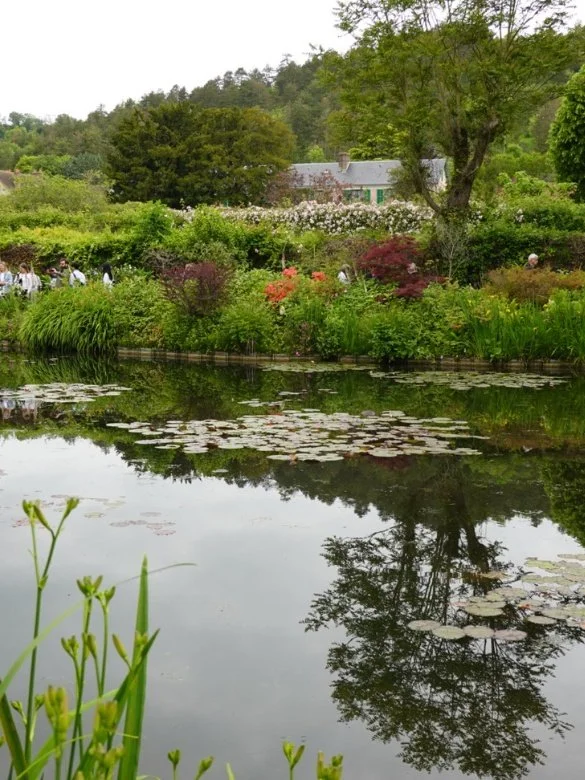
This is where the famous Japanese bridge is. Where the lily pads float. Where weeping willows trail into green water and the whole scene looks impossibly like a painting you've seen a hundred times before.
It really does stop you in your tracks.
Photography is allowed throughout the gardens, but only from the walkways. Picnics are not permitted. Dogs are not allowed.
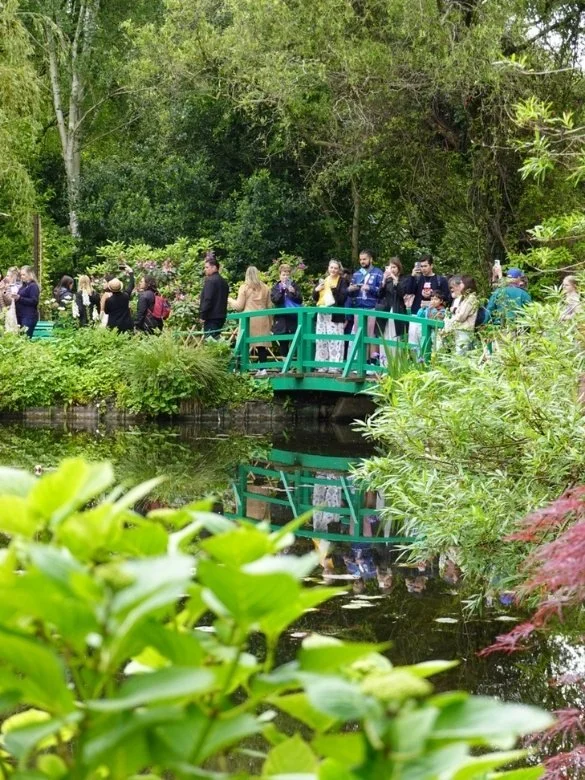
Japanese Bridge and Water Lily viewpoint
Claud Monet's Pink House
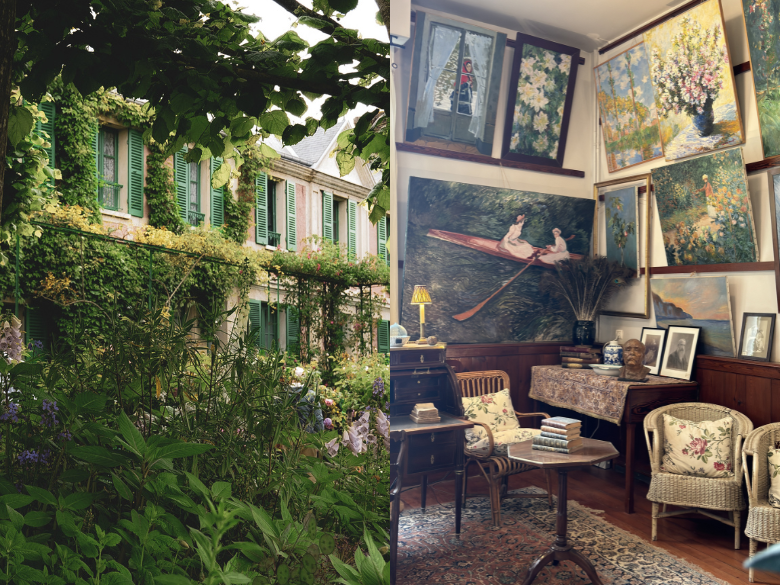
The house itself is a warm, vivid pink building with green shutters, very different from what you might expect from a 19th-century French country home. Inside, every room is painted in bold, saturated colour: the famous blue kitchen, the sunny yellow dining room, Monet's bedroom, the little blue sitting room.
The walls are covered with Monet's personal collection of Japanese prints, which directly inspired the design of the water garden. It's a fascinating window into how he thought and what he loved.
One important note: the paintings displayed in the house are reproductions, not originals. The originals are in museums across the world. This surprises some visitors, but once you're actually inside the house, it doesn't diminish the experience, the atmosphere, the colours, and the sense of history do more than any artwork could.
The house is not wheelchair accessible. The gardens are.
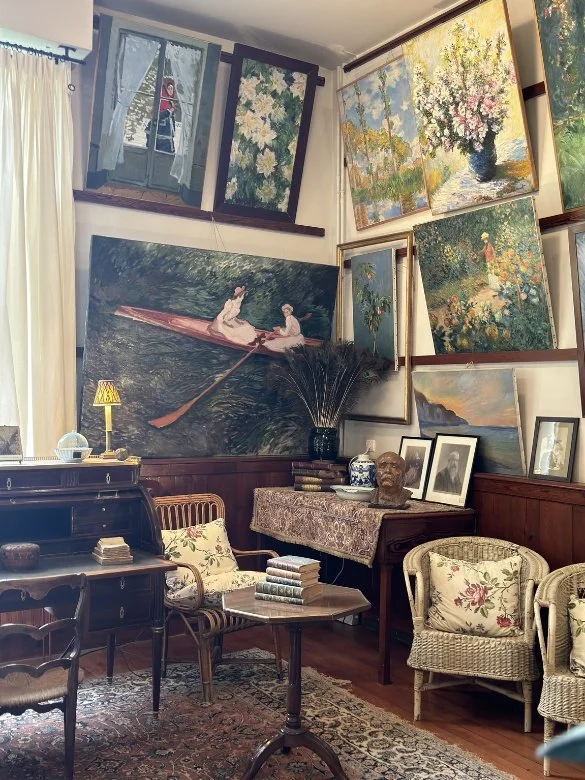
Replica Paintings Inside Monet’s House
Monet’s House & Gardens Day Trip From Paris
One of the easiest ways to visit Claude Monet’s home and famous gardens in Giverny without the long queues. Perfect during spring and summer when the gardens are at their best.
• Skip-the-line entry to Monet’s House
• Access to Monet’s Gardens and Water Garden
• Priority access during busy periods
Why Giverny Matters: Monet and His Gardens
Claude Monet did not just live in Giverny, he completely transformed it. When he arrived in 1883, the land in front of his house was a simple orchard enclosed by stone walls. He had first spotted the village from the window of a passing train and immediately fell in love with the landscape.
Over the following decades, Monet reshaped the property entirely, cutting down pines, redesigning flower beds, diverting a stream to create the now-famous water garden, and training climbing roses over the iron arches that still stand today.
The gardens became his greatest project, arguably even more ambitious than his paintings. His most famous works, including the Water Lilies series and The Japanese Bridge, were directly inspired by what he created here in Giverny.
Monet famously called his garden his most beautiful masterpiece, and walking through it, that feels completely understandable.
Today, Giverny welcomes around 500,000 visitors each year and is the second most visited attraction in Normandy after Mont Saint-Michel. I visited Mont Saint-Michel on the same France trip and it is every bit as magical as people say.
If you're planning a wider Normandy itinerary, definitely read my overnight Mont Saint-Michel guide too.

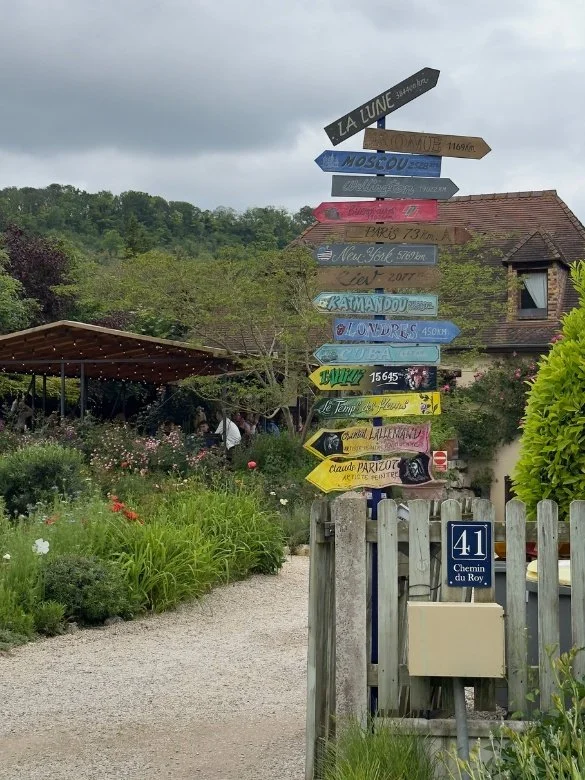
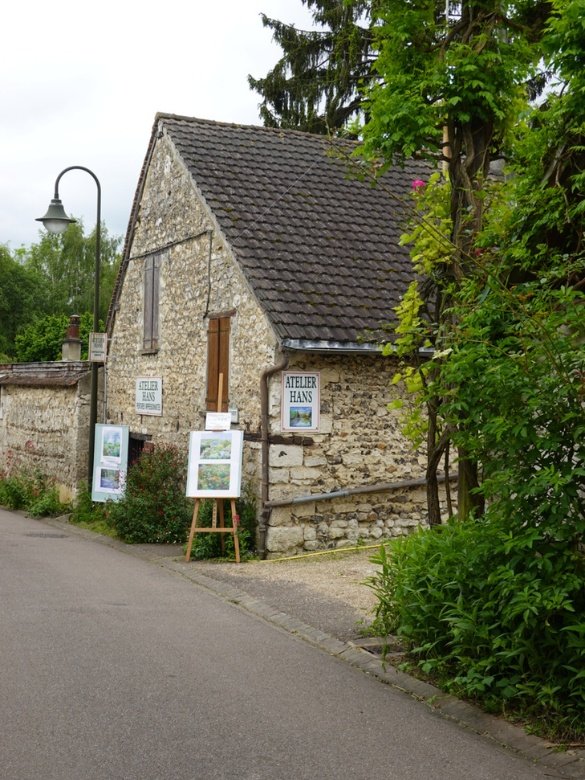
Giverny Streets Lined With Flowers
Giverny Opening Hours and Ticket Prices
Giverny is open from 1 April to 1 November only. There is no winter opening.
Opening hours: 10am to 6pm daily, last admission at 5:30pm.
| Ticket Type | Price |
|---|---|
| Adults | €13 |
| Children aged 7 to 17 and students | €7 |
| Children under 7 | Free |
| Visitors with disabilities | €6 |
Combined tickets are available for purchase on-site (not online) for the Musée des Impressionnismes Giverny next door, or the Musée Marmottan Monet in Paris.
Book your Giverny tickets online in advance. This is strongly recommended, particularly between May and September when the gardens are at their busiest. Pre-booked e-tickets allow entry through the dedicated ticket lane and avoid at least part of the queue. Note that there is no true skip-the-line access, and there can still be a wait to enter the house itself even with a pre-booked ticket.
Tickets are non-refundable but can be changed with at least two days' notice by email, subject to availability.
Monet’s House & Gardens Skip-the-Line Entry
One of the easiest ways to visit Claude Monet’s home and famous gardens in Giverny without the long queues. Perfect during spring and summer when the gardens are at their best.
claude monet water lilies
How to Get to Giverny from Paris
By Train + Shuttle (Best DIY Option)
This is the most popular way to visit Giverny independently and is actually the most historically fitting route. Monet first saw Giverny from the window of a passing train and resolved to live there one day.
| Step | Route | Time | Cost |
|---|---|---|---|
| Train | Paris Gare Saint-Lazare → Vernon-Giverny Station | 50 mins to 1 hour | Varies |
| Shuttle Bus | Vernon Station → Giverny Gardens | Approx. 20 mins | €10 return |
| Optional Bike Hire | Vernon Station → Giverny | Approx. 20 mins | Varies |
Trains run regularly from Saint-Lazare throughout the day. The electric shuttle bus operates seasonally from Vernon station directly to the gardens.
You can also take a guided bike tour from Vernon station to Giverny, which includes bike hire, a local guide, and a scenic ride through the French countryside before arriving at Monet’s gardens. It takes around 20 minutes by bike and is a much more memorable way to arrive than the shuttle.
By Guided Tour from Paris
If you would rather skip the train connections and have everything organised for you, a guided tour from Paris is by far the easiest option.
You can visit Giverny on its own, choose an Impressionist-focused tour, or do what I did and combine Giverny with Versailles in one full day.
Both Giverny and Versailles sit outside Paris and are a little trickier to reach independently, so combining them actually works really well. You save time, transport is handled, and you get to experience two completely different sides of French history in one day, Monet’s peaceful gardens in the morning, then the grandeur of Versailles in the afternoon.
This is what I did, and I would genuinely recommend it, especially if it is your first visit to Giverny. Having the logistics handled made the whole day so much more enjoyable.
👉 Book a Giverny + Versailles day trip here
By Car from Paris
Driving to Giverny from Paris is one of the easiest options if you want more flexibility, especially if you are planning to visit other places nearby like Versailles or the Normandy countryside.
The drive usually takes around 1 to 1.5 hours depending on traffic, and having a car gives you the freedom to arrive early, stay longer, and avoid train and shuttle connections.
Parking is available near Monet’s Gardens, with several public parking areas close to the main entrance.
Giverny Cafe and Town Covered With Beautiful Flowers
Best Time to Visit Giverny
The gardens are only open April to November, but timing within that window makes a significant difference to the experience.
| Season | Best For | What to Expect |
|---|---|---|
| Late May to June | Best Overall | Peak bloom in the Clos Normand with roses, irises, poppies, and wisteria. Colourful gardens and manageable crowds. |
| July | Water Lilies | Best month for seeing the famous lily pond in full bloom, but also the busiest month with heavy crowds. |
| April and Early May | Quieter Visit | Tulips, narcissi, and spring flowers with lighter crowds and cooler mornings. |
| September and October | Peaceful and Golden | Fewer visitors, warm autumn colours, dahlias and nasturtiums in bloom, and a softer atmosphere. |
| Peak Summer Weekends | Avoid If Possible | Longest queues, busiest crowds, and the most crowded period between 10am and 4pm. |
Arriving right at opening is the single easiest way to improve your experience.
Stunning Giverny Village
My Tips for Making the Most of Your Giverny Visit
| Tip | Why It Matters |
|---|---|
| Arrive at opening | The gardens are most beautiful in morning light and significantly less crowded before 11am. If you can be there right at 10am, do it. |
| Do not rush the water garden | Most visitors walk to the Japanese bridge and turn back. Walk the full perimeter of the pond. Some of the most peaceful and beautiful spots are on the far side. |
| Spend time in the house | It is easy to rush through when the gardens are pulling you outside. The yellow dining room and the Japanese print collection are genuinely worth slowing down for. |
| Visit the Musée des Impressionnismes | Even 45 minutes there adds so much context and rounds out the day beautifully. |
| Sort your data before you travel | Having offline maps downloaded and working mobile data makes the whole day much smoother, especially for the journey back to Paris. I use Airalo for travel eSIMs. |
| Book a guided tour for your first visit | Having a local guide brings the history of the gardens to life in a way a self-guided visit cannot. Giverny is beautiful on its own, but with context, it becomes unforgettable. |
Best Monet & Giverny Tours
If you’re visiting Giverny, these are some of the best tours for seeing Monet’s House, the famous gardens, and day trips from Paris. Great if you want transport included or prefer a guided experience.
Giverny and Monet Gardens FAQ
Is Giverny worth visiting?
Absolutely, especially if you love Impressionism, garden design, or beautiful French countryside. Standing in the landscape that inspired some of the most famous paintings in the world is genuinely special. It is not a huge site, but it does not need to be.
How long do you need at Giverny?
Allow 2 to 3 hours for a comfortable visit. You could see the main highlights in around 1.5 hours if you are short on time, but it is much better when you can slow down and enjoy it properly.
Do I need to book Giverny tickets in advance?
Yes, especially between May and September. I would strongly recommend booking ahead, either through the official Fondation Claude Monet website or by using a half-day Giverny tour from Paris with entry included. Free and reduced-rate tickets cannot be booked online and require proof of eligibility at the entrance.
What is the best time to visit Giverny?
Late May and June are the best overall months for the flower gardens. July is peak water lily season in the pond, but it is also the busiest time of year. September and October are beautiful and much quieter.
Can I visit Giverny in the rain?
Yes, and it can actually be really atmospheric. The gardens feel quieter, softer, and the reflections in the water garden are especially beautiful on an overcast day.
Are the paintings in Monet's house originals?
No. The paintings on display are high-quality reproductions. Monet's original works are held in major museums including the Musée de l'Orangerie and the Musée Marmottan Monet in Paris.
Where can I see Monet's original paintings in Paris?
Three museums are worth knowing about.
The Musée de l'Orangerie is the one not to miss: Monet personally designed the two oval rooms to house his enormous Water Lilies panels, and seeing them in person after visiting Giverny is extraordinary.
The Musée d'Orsay holds several Monet works alongside the broader Impressionist collection.
Musée Marmottan Monet houses the largest collection of his paintings in the world, including the famous Impression, Sunrise that gave the movement its name. All three are brilliant follow-ons from a Giverny visit.
Is Giverny accessible for wheelchair users?
The gardens are accessible for visitors with reduced mobility. The house itself is not wheelchair accessible due to the narrow historic layout and stairs upstairs.
Can I bring a picnic to Giverny?
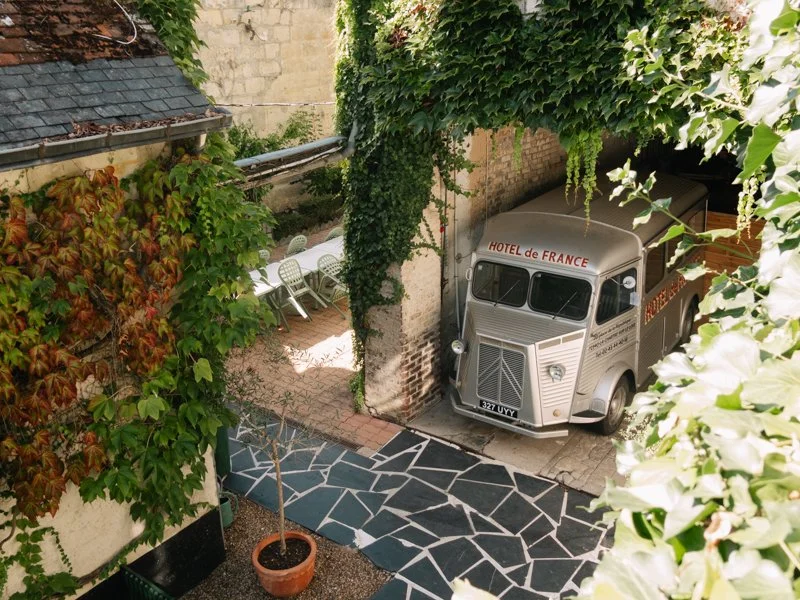
No, picnics are not permitted inside the gardens. There are cafés and restaurants in the village, including the famous Hôtel Baudy nearby.
Can I visit Giverny and Versailles in one day?
Yes, and it actually works really well as a combined day trip from Paris. Both are west of the city and relatively close by road. A full-day Giverny and Versailles tour is one of the easiest ways to do both without worrying about trains or transfers.
When are the water lilies in bloom at Giverny?
The water lilies usually peak in July. You will often still see them from late June through August, but July is generally the most reliable month for full bloom.
How far is Giverny from Paris?
Giverny is approximately 80km northwest of Paris. By train and shuttle it usually takes around 1.5 hours. By car, around 1 hour to 1 hour 15 minutes depending on traffic.
For staying connected while travelling through France, I also use Airalo eSIM, which makes day trips like this much easier without needing to rely on station Wi-Fi.
The Best Giverny Day Trips from Paris
Do not leave Giverny to chance. These are the best-reviewed tours for visiting Monet's house and gardens from Paris, with transport included, skip-the-line access, and guides who actually know their stuff. Book early, especially in summer.

Everything I use when planning a trip, all in one place.
This page may contain affiliate links. I may earn a small commission at no extra cost to you. Learn more →

Paris at night feels magical, but solo travel after dark can also feel a little intimidating. This guide covers the best things to do alone in Paris at night, from safe guided tours and Seine cruises to beautiful dinners in Saint-Germain, Opéra nights, and simple solo evenings that still feel unforgettable without feeling unsafe.