Why Spain Feels So Different by Region: A Quick Guide for Travellers
Spain wasn’t always one country, and that’s the key to understanding why it feels so different depending on where you go. For centuries, it was made up of separate kingdoms like Castile, Aragon, Navarre and Granada, each with its own culture, language and way of life. Parts of the country were also under Islamic rule from 711 until 1492, which still shapes the architecture and atmosphere you see today, especially in the south.
Spain as we know it really started to form in the late 1400s when the Catholic Monarchs united major kingdoms and completed the Reconquista. Even then, regions kept their own identities, and many still do. Languages like Catalan, Basque and Galician are still widely spoken, and local traditions remain strong.
For travellers, this matters more than you might expect. Spain isn’t one single experience, and understanding how its regions developed helps explain why Barcelona feels nothing like Seville, and why the north can feel completely different to the south.
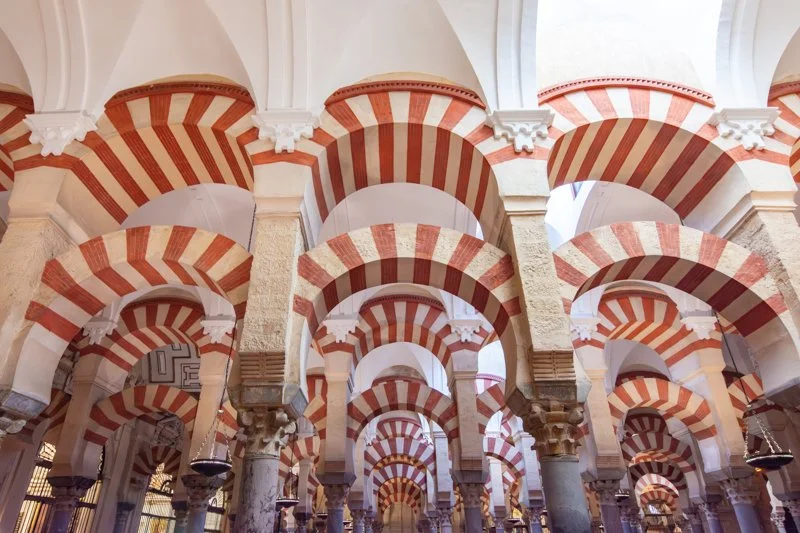
Moorish Horsehouse Arches (The Great Mosque, Cordoba)
So if every region feels so different, why is Spain one country?
It comes down to history and how those kingdoms gradually came together under shared rule. Over time, political unification, a central monarchy, and later a national government brought these regions under one country. But unlike places where identity feels more uniform, Spain never lost its regional character, it just sits alongside a broader national identity.
In my experience, what connects Spain isn’t that everywhere feels the same, it’s the people. There’s a shared way of life you start to notice, long meals, social culture, late nights, and a strong focus on enjoying everyday moments. It’s not identical everywhere, but it’s familiar enough that it still feels like Spain, even as each region does its own thing.
Below is a quick breakdown of each region, what shaped it, and why it feels different when you travel through it. It’s just enough context to make everything make more sense once you’re there:
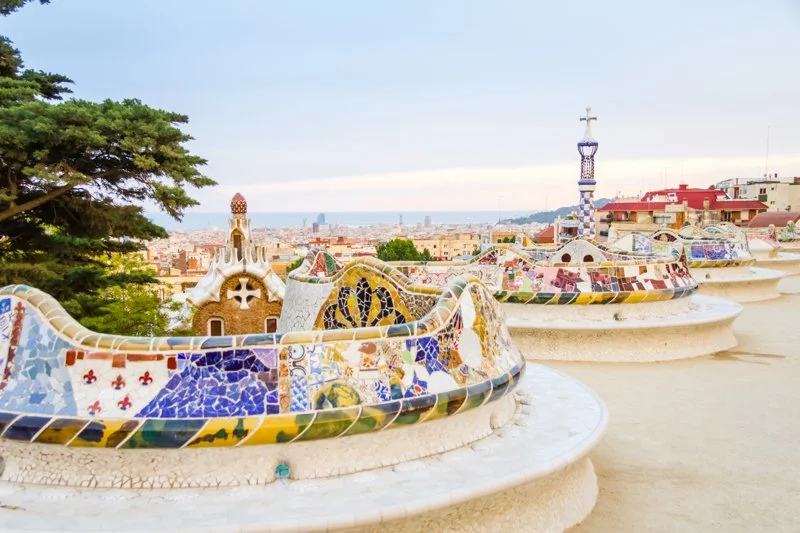
Modern Catalan Designs (Park Güel, Barcelona)
Spain Regions Culture & History Cheat Sheet
| Region | Culture, History & Identity |
|---|---|
| Andalusia (South) | Shaped by Roman rule, then Islamic rule from 711 to 1492 during Al-Andalus. Cities like Granada, Seville and Córdoba still reflect this through palaces, mosques and courtyards. After the Reconquista, Catholic influence grew, but Moorish design remains a defining part of the region. Known for flamenco, tapas and a social, outdoor lifestyle. |
| Catalonia (Barcelona & Coast) | Developed as part of the medieval Crown of Aragon, with strong independence through the Middle Ages. Catalan language and identity remain central today. Barcelona grew rapidly in the 19th century, bringing modernist architecture like Gaudí’s work. There is still a strong regional identity and political movement tied to autonomy. |
| Madrid & Central Spain | Madrid became Spain’s capital in 1561 under King Philip II. The region reflects royal and political power, with grand palaces, museums and boulevards. Surrounding areas were central to the unification of Spain following the Reconquista. Today it represents a mix of traditional Spanish identity and modern city life. |
| Basque Country (North) | One of Europe’s oldest cultures, with Euskara as a unique language not related to any other. Maintained strong independence through Roman and later Spanish rule. Industrial growth in the 19th century shaped cities like Bilbao. Known for strong identity, food culture and regional pride. |
| Galicia (Northwest) | Influenced by Celtic heritage before Roman rule, then became an important Christian region during medieval times. Santiago de Compostela has been a major pilgrimage site since the 9th century. Known for coastal life, seafood and a quieter, traditional culture. |
| Valencia Region | Originally Roman, later ruled by Islamic kingdoms before being reconquered in the 13th century. Agriculture and trade shaped the region, especially rice farming which led to paella. Today it blends historic old towns with modern coastal living. |
| Balearic Islands | Controlled by Phoenicians, Romans and later Islamic rulers before joining the Crown of Aragon. Strategic location made them important for trade. Today known for tourism, beaches and a mix of nightlife and quieter island culture depending on where you go. |
| Canary Islands | Originally inhabited by the Guanche people before Spanish colonisation in the 15th century. Located off the coast of Africa, the islands became important for trade routes to the Americas. Known for volcanic landscapes and year round warm climate. |
| Castile & León | One of the core regions in the formation of Spain. Castile played a major role in the Reconquista between the 8th and 15th centuries. Home to medieval cities, cathedrals and castles. Often seen as the foundation of traditional Spanish culture and language. |
| Castile-La Mancha | Historic plains tied to the Kingdom of Castile. Known for agriculture and as the setting of Don Quixote. Windmills and open landscapes define the region. Strong links to traditional rural Spain. |
| Aragon | Once part of the powerful Crown of Aragon, which controlled parts of Spain and the Mediterranean during the Middle Ages. Rich in medieval towns and history, with landscapes ranging from mountains to plains. |
| Navarre | Was an independent kingdom during the Middle Ages before being incorporated into Spain. Retains strong traditions and identity. Known today for Pamplona and the Running of the Bulls. |
| Extremadura | Roman roots followed by Moorish rule, then reconquered by Christian kingdoms. Birthplace of several Spanish explorers involved in the Americas. Known for historic towns, rural landscapes and a slower pace of life. |
| Murcia | Strong Islamic influence until the 13th century, with agriculture shaped by irrigation systems introduced during that time. Today known for farming, warm climate and a more local, less tourist focused feel. |
| Asturias | One of the first Christian regions to resist Islamic rule during the early Reconquista in the 8th century. Mountainous, green and culturally distinct. Known for cider, nature and strong regional traditions. |
| Cantabria | Historically inhabited by ancient Iberian tribes, later Roman influence. Known for coastal landscapes and prehistoric cave art, including Altamira. A quieter region with strong ties to nature and history. |
| La Rioja | Long history of winemaking dating back to Roman times. Became Spain’s most recognised wine region. Small towns, vineyards and food culture define the area today. |
Once you understand how different each region is, it becomes a lot easier to plan what kind of trip you actually want. But regardless of where you go, there are still some standout experiences across Spain that are worth adding in.
These are some of my favourite from across Spain:

Everything I use when planning a trip, all in one place.
This page may contain affiliate links. I may earn a small commission at no extra cost to you. Learn more →
