FRANCE
France Travel Guide: Where to Go Based on Real Travel Experience
I’ve been to France three times over the past few years, both solo and travelling with others, and it’s a country I keep coming back to.
From my experience as an Australian, the people have always been friendly, travel is straightforward, and there’s a lot more to France than just Paris. You’ve got medieval towns, wine regions, coastline, mountains, and major cities all within relatively easy reach.
It’s also a great place to travel at different speeds. You can plan a structured itinerary with trains and tours, or keep it flexible and move between regions depending on what you feel like doing.
This France travel guide pulls together the places I’ve been, along with others I recommend, to help you plan where to go, what’s actually worth your time, and how to structure your trip properly.
Weather & Best Time to Visit France
France has a varied climate depending on the region, but overall you can expect warm summers, cooler winters, and mild conditions in between.
Spring and autumn are generally the best times to visit, with comfortable temperatures, fewer crowds, and good conditions for exploring cities, villages, and wine regions. Summer is popular, especially in places like Paris and the South of France, but it can be busy and hot. Winter is quieter, with colder weather, but it’s a great time for Christmas markets in regions like Alsace.
| Season | Spring 🌸 Mar – May |
Summer ☀️ Jun – Aug |
Autumn 🍂 Sep – Nov |
Winter ❄️ Dec – Feb |
|---|---|---|---|---|
| Weather | 🌤️ Mild 10–20°C Great for cities & countryside |
☀️ Warm to hot 20–35°C Hotter in the south |
🍁 Cooler 10–22°C Crisp air, changing colours |
❄️ Cold 0–10°C Snow in Alps, cooler in Paris |
| Crowds | 🙂 Moderate | 😅 Busy (Peak season) | 🙂 Quiet to moderate | 😌 Quiet (except holidays) |
| Prices | 💰💰 | 💰💰💰 | 💰💰 | 💰 (except ski areas) |
| Best For | City exploring gardens & wine regions |
South of France beaches & long days |
Wine regions fewer crowds |
Christmas markets skiing in the Alps |
France Travel Guides

Best Places to Visit in France
France is easy to break down by region, and each area feels completely different. This makes it easier to plan your trip properly instead of trying to do everything at once.
Paris
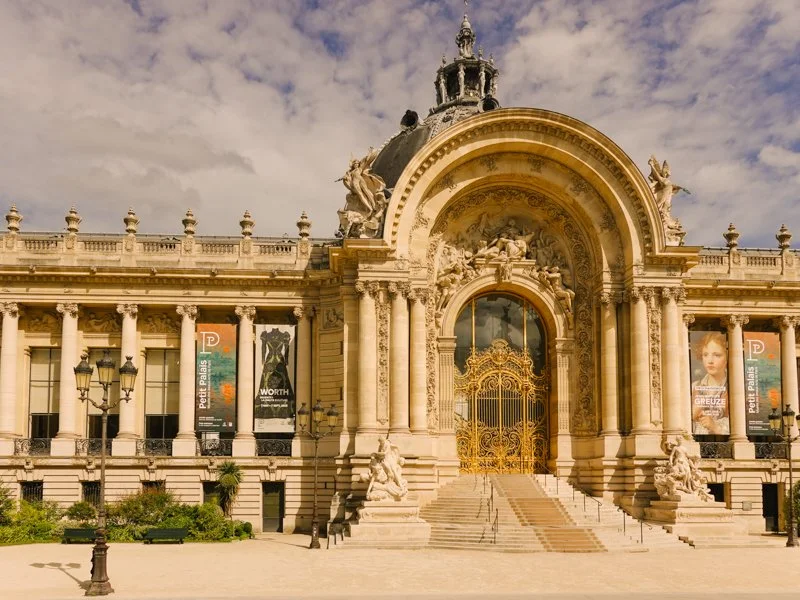
Paris is the starting point for most trips to France and one of the most visited cities in the world. It’s known for its major landmarks like the Eiffel Tower, Louvre Museum, Notre-Dame, and Montmartre, along with its mix of historic streets, cafés, and river views along the Seine.
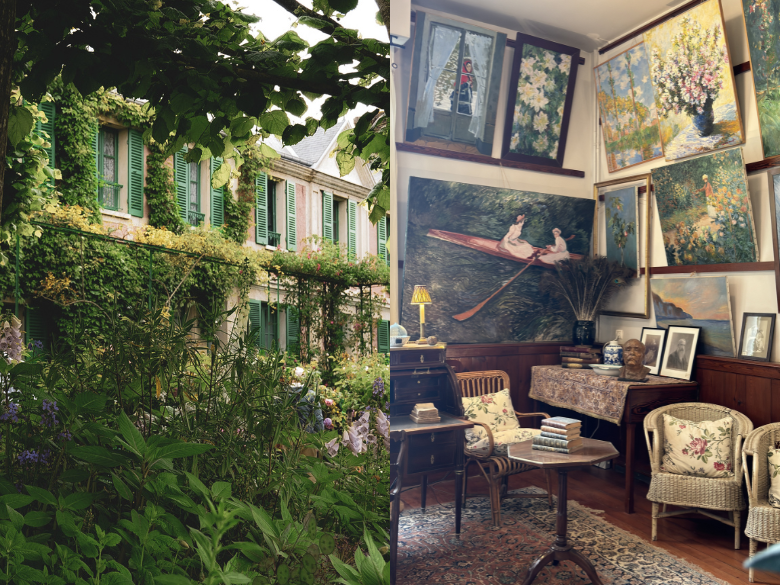
Beyond the main sights, Paris is also a strong base for exploring nearby regions. It’s easy to take day trips to places like Versailles, Giverny, and even further into Normandy or the Loire Valley.
It’s well connected by train and public transport, making it one of the easiest cities to navigate. Whether it’s your first time in France or a return visit, Paris works well at the start of an itinerary before heading into other regions.
If you’re travelling to Paris solo check out my solo guide 👉 What to Do Alone in Paris at Night: Safe Ideas for Solo Female Travellers
Normandy
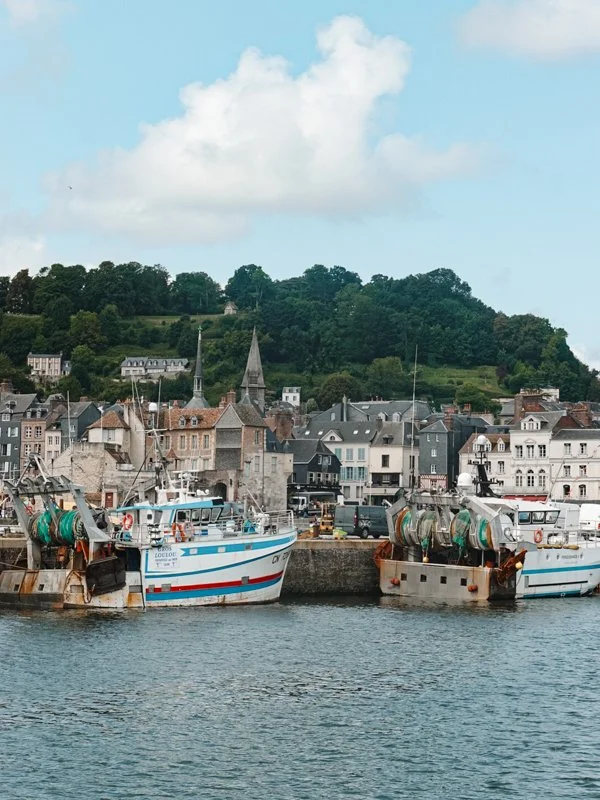
Normandy sits in the northwest of France along the coast and is known for its mix of historic sites, small towns, and a slower pace compared to larger cities.
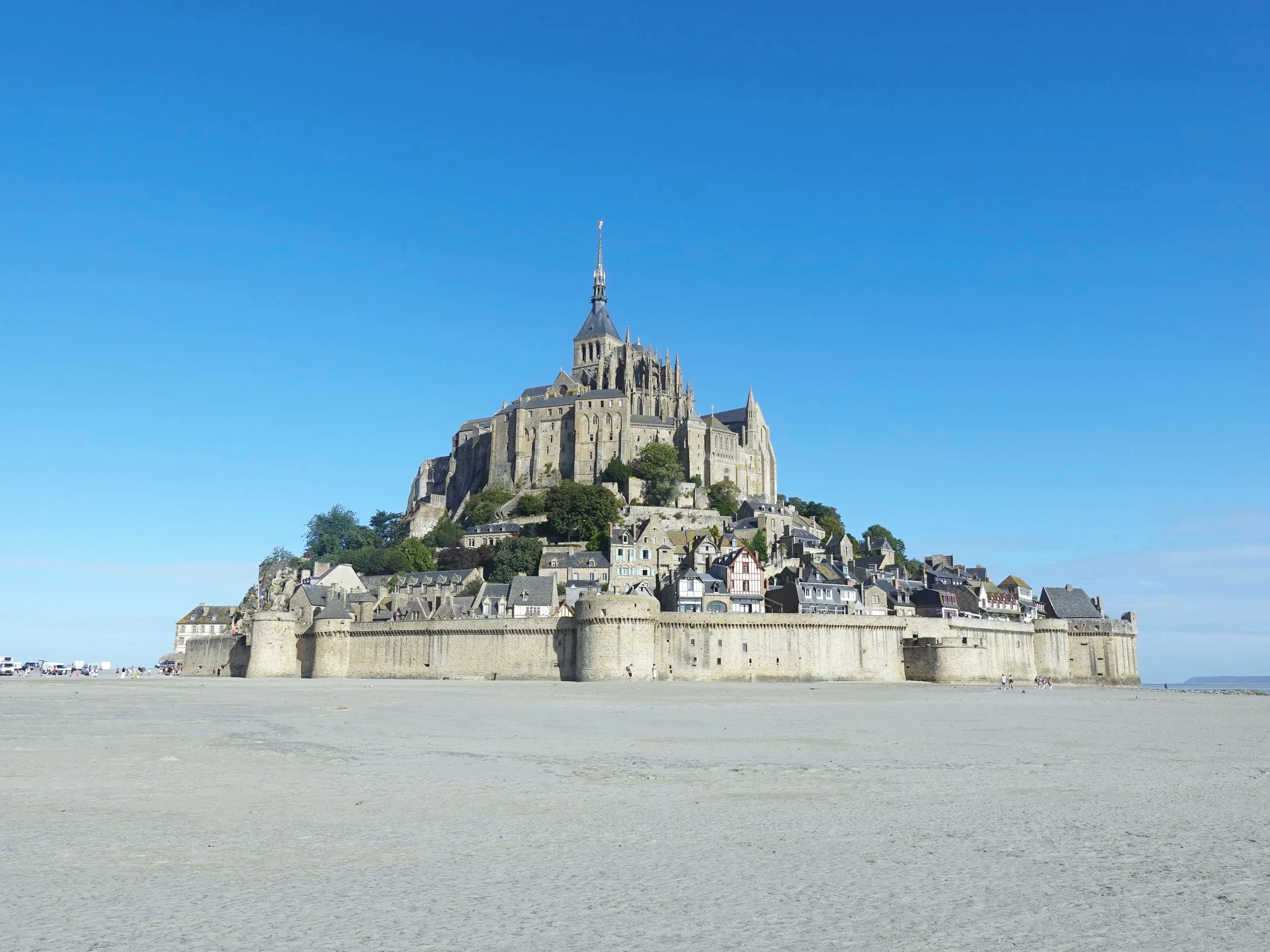
It’s one of the most important regions in France for history, particularly around the D-Day landing beaches from World War II, which can be visited from towns like Bayeux. Beyond that, you’ve got places like Mont-Saint-Michel, one of the most recognisable landmarks in the country, and Honfleur, known for its harbour, art history, and coastal feel.
The region also has countryside, cliffs, and coastal drives that make it ideal for a road trip. It’s less about ticking off major landmarks and more about moving through smaller towns and taking your time.
Normandy works well as a trip from Paris, either as a day tour or a longer overnight route, especially if you want a mix of history, scenery, and quieter places.
Alsace
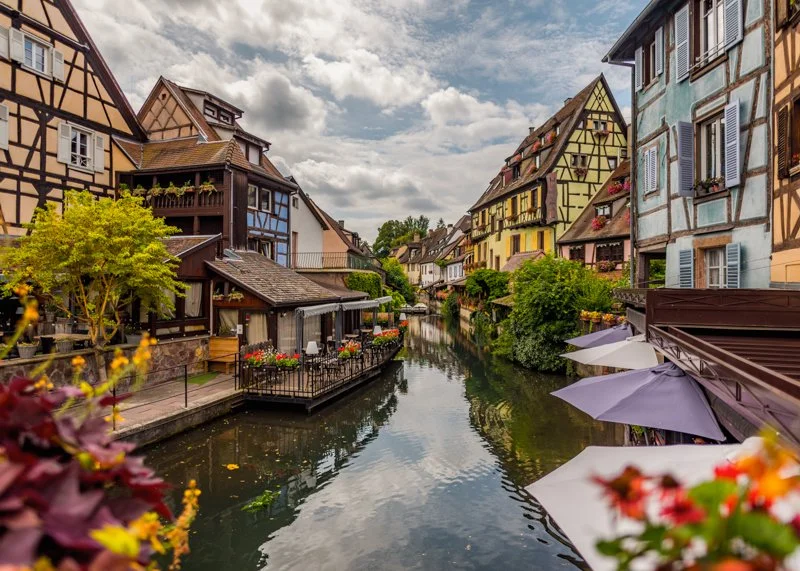
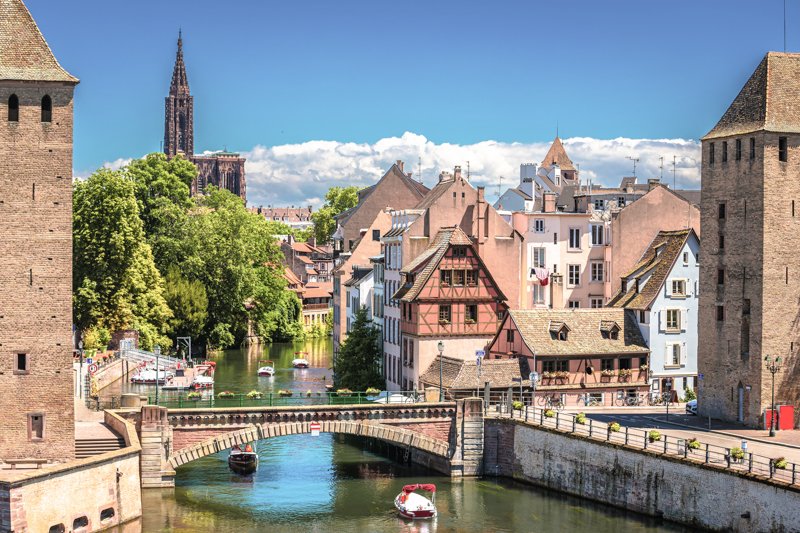
Alsace sits in the northeast of France along the German border and is one of the most distinctive regions in the country. The mix of French and German influence shows in the architecture, food, and overall feel, which is why it looks different to anywhere else in France.
It’s best known for its colourful villages and wine route, with places like Colmar, Strasbourg, and Riquewihr all within close distance of each other. All three also made it onto my cutest places in France list, and once you’re there, it’s easy to see why.
Timber-framed houses, flower-lined streets, and vineyard backdrops are consistent across the region, not just in one spot.
The Alsace Wine Route runs through the region and connects many of these towns, making it ideal for a road trip or a series of short stops. Strasbourg works well as a base, while smaller villages like Riquewihr are easy to visit in a day.
Alsace is also one of the best places in France to visit during winter, known for its Christmas markets and decorations, especially in Colmar and Strasbourg.
It’s a good option if you want smaller towns, scenery, and a different side of France beyond the main cities.
French Riviera (South of France)
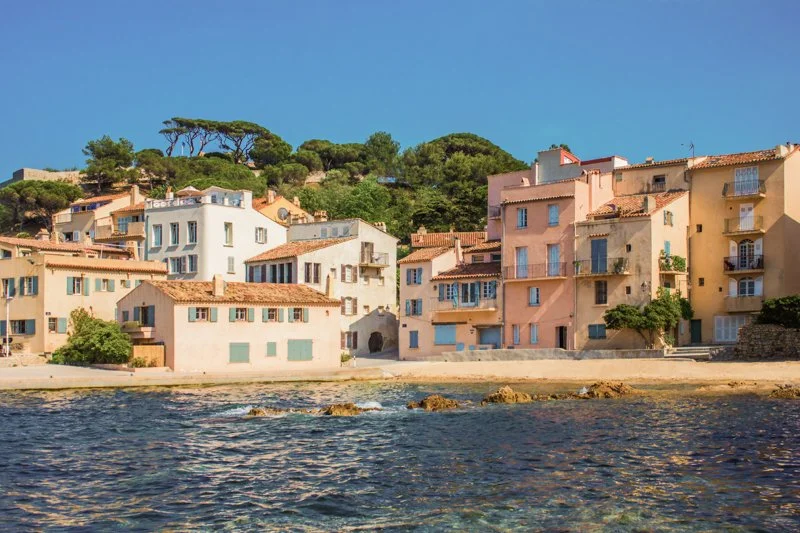
The French Riviera, also known as the Côte d’Azur, sits along the southeast coast of France on the Mediterranean and is known for its warm weather, coastal towns, and beach destinations.
It includes places like Nice, Saint-Tropez, Cannes, andis close to Monaco, all within relatively close distance, making it easy to move between them. Each spot has a slightly different feel, from the old town and promenade in Nice to the harbour and beach clubs in Saint-Tropez.
The region became popular in the early 20th century and has stayed that way, known for its mix of historic towns, luxury travel, and coastal lifestyle.
Beyond the main destinations, there are also smaller towns like Menton and Èze, which offer the same views and scenery with fewer crowds.
The Riviera works well as a standalone trip or as part of a longer France itinerary, especially during spring and summer when the weather is at its best.
Loire Valley
The Loire Valley sits southwest of Paris and is known for its castles, countryside, and quieter pace compared to other parts of France.
It’s one of the best regions to visit if you want something more relaxed, with a mix of historic towns, river landscapes, and vineyards. The area is home to some of the most well-known châteaux in France, including Château de Chambord and Château de Chenonceau, along with many smaller estates spread across the region.
The landscape is more open and rural, which is why it works well as a road trip. You can move between towns, stop at different castles, and take your time rather than rushing between major cities.
It’s also known for its wine regions, particularly around places like Tours and Saumur, making it a good option if you want to combine sightseeing with food and wine.
The Loire Valley is easy to reach from Paris and works well as a short trip or as a stop between Paris and western France.
French Alps (Annecy & Surrounding Areas)
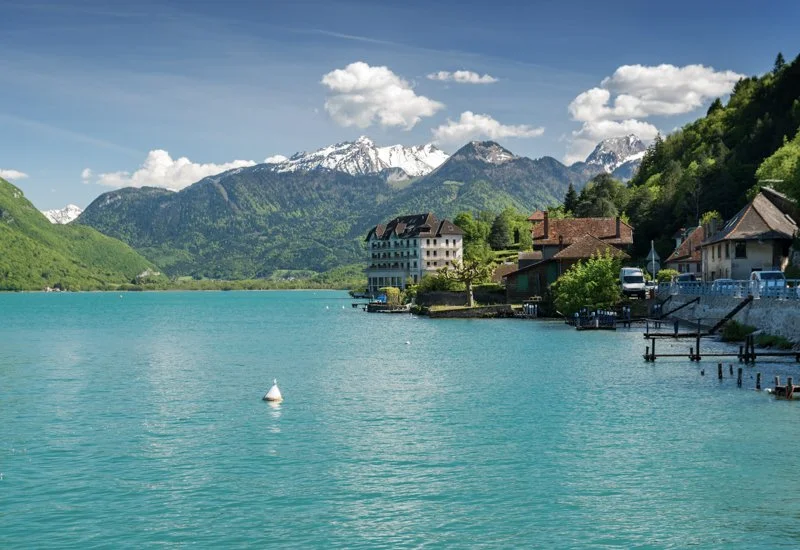
The French Alps sit in the southeast of France near the Swiss border and are known for lake views, mountain scenery, and outdoor activities year-round.
Annecy is one of the best bases in the region, combining canals, a clear blue lake, and alpine views all in one place. It’s easy to explore on foot, but also works as a starting point for getting out into the surrounding mountains.
Beyond Annecy, the region opens up into smaller alpine towns, hiking areas, and ski resorts, depending on the season. In summer, it’s ideal for swimming in the lake, cycling, hiking, and boat trips. In winter, it shifts into a ski destination with access to some of the best slopes in France.
The area feels very different to the rest of the country, more outdoors-focused, less about cities, and more about scenery and activities.
It’s also easy to combine with nearby destinations like Switzerland or northern Italy if you’re travelling through the Alps, making it a good addition to a wider Europe trip.