AUSTRALIA
Australia Travel Guide: Landscapes, People and What to Expect
Australia is home for me, and it’s something I didn’t fully appreciate until I started travelling elsewhere. It’s not just one type of place - it’s incredibly varied, and that’s what makes it so special.
You’ve got the Great Barrier Reef and tropical north, the Blue Mountains and the Great Dividing Range, red desert landscapes around Uluru, and coastlines that feel completely different depending on where you are. There are islands like Kangaroo Island and Lord Howe, cities built around harbours, quiet beaches, rock pools, rainforest, dust, and wide open space - all in the same country.
Some parts are remote, some are easy, and some take a bit more effort to get to, but that’s part of it. The best experiences here are usually the ones you go a little out of your way for.
The people are part of it too. It’s relaxed, friendly, and pretty unpretentious. Things aren’t overly formal, and there’s an ease to it that you notice quickly.
Wildlife is part of the experience, but not in the dramatic way it’s often made out to be. Most of it is regional, and day-to-day life here is just that — normal.
It suits travellers who are happy to explore properly, mix well-known places with a few quieter ones, and go a little further for something worth it. Australia isn’t one thing - and that’s exactly why it stays with you.
Jump to: Overview • Weather • Indigenous Seasons • Travel Tips • Things to Do • City Guides • Aussie Slang • Culture & History • History
Weather & Best Time to Visit Australia
Australia is beautiful year-round, but the best time to visit really depends on where you’re going and what you want to see. The country is incredibly varied, so the weather can be completely different from one region to the next.
Summer (December to February) can be intense, with temperatures regularly reaching over 40°C (around 104°F) in many parts of the country. It’s great for beaches and coastal trips, but if you’re not used to that kind of heat, or just don’t want to deal with it, it can be a lot.
For most travellers, spring (September to November) and autumn (March to May) are some of the best times to visit. The weather is milder, conditions are more comfortable for exploring, and you avoid the extremes of both summer heat and winter chill.
Winter (June to August) is cooler, especially in the south, but it can be a really beautiful time to travel. Places like the Blue Mountains, Tasmania, and even major cities feel completely different, and you’ll often have fewer crowds. It’s also one of the best times to visit northern Australia, where the weather is dry, sunny, and much more comfortable.
During summer, most states also observe daylight saving time, which means longer daylight hours and more time to explore, with extended opening hours across many cities and tourist areas.
Because Australia is so spread out, there’s always somewhere that’s in season.
| Season | Spring 🌸 (Sep – Nov) | Summer ☀️ (Dec – Feb) | Autumn 🍂 (Mar – May) | Winter ❄️ (Jun – Aug) |
|---|---|---|---|---|
| Weather | Hot (20–35°C) Dry, building heat |
Very hot (25–40°C) Rain & storms |
Warm (18–30°C) Drying out |
Cool (5–25°C) Dry, clear skies |
| Crowds | Moderate | Low | Moderate | Peak safari season |
| Prices | 💰💰 | 💰 | 💰💰 | 💰💰💰 |
| Best For | Good wildlife fewer crowds shoulder season |
Green landscapes birdlife fewer tourists |
Balanced conditions comfortable travel shoulder season |
Best wildlife viewing Okavango Delta flood Chobe safaris |
Indigenous Seasonal Calendars
Something I’ve always found really interesting is that Aboriginal and Torres Strait Islander peoples have been reading the land and weather here for at least sixty five thousand years.
I’m not Indigenous, and it’s important to approach this with respect, as different nations across Australia use different seasonal calendars depending on the local environment. Growing up in Sydney, I learnt the Dharug seasons, and honestly, they’ve always felt far more accurate than the standard four seasons.
These seasons are based on what’s actually happening in the environment - things like the flowering of plants, changes in weather patterns, and the life cycles of birds and animals. They aren’t fixed to Western calendar dates like summer, autumn, winter, and spring, but instead reflect real shifts in the landscape.
If you’re travelling around Australia, it’s well worth looking into the Indigenous seasonal calendar for the specific region you’re visiting. For Sydney, the Greater Sydney Parklands Dharug seasons guide is a great place to start.
Aussie Culture and Practical Tips For Visiting
Australia has a really distinct culture, and it’s something you notice pretty quickly once you’re here. It’s relaxed on the surface, but underneath that there’s a strong sense of community, fairness, and looking out for each other.
Mateship is a big part of that. It’s not just about your close friends, it extends to family, neighbours, colleagues, and even complete strangers. It’s pretty normal here to help someone out without thinking twice, whether that’s giving directions, lending a hand, or just checking in. You don’t need to know someone to look out for them.
Alongside that is the idea of a “fair go”. It’s something you’ll hear a lot, and it basically means everyone deserves to be treated fairly, with respect, and given the same opportunity as anyone else. It shapes a lot of everyday interactions.
Gratitude is also just part of how people operate here. Saying “thank you” comes naturally, and it’s expected in even the smallest interactions - like getting off a bus or someone holding a door. You’ll often hear “no worries” or “no problem” in response, which isn’t dismissive, it just means it genuinely wasn’t a bother.
It’s casual, but don’t mistake that for careless. Brushing someone off with something like “mhm” instead of acknowledging them properly can come across as rude. Australians are generally friendly — people will smile, chat, and make small talk with people they don’t know, and there’s an expectation that you meet that energy with the same level of respect.
A lot of this comes from a mix of influences — Aboriginal and Torres Strait Islander cultures, which are deeply connected to community and Country, and Australia’s more recent history, which has shaped that strong sense of independence and fairness. It’s what gives the country its distinct feel.
If you take the time to understand that side of Australia, not just the places but how people interact, it adds a lot more depth to the experience.
| Quick Facts | |
|---|---|
| Capital | Canberra |
| Currency | Australian Dollar (AUD). Cards are accepted almost everywhere, but it’s still worth having a bit of cash for smaller towns and local spots. |
| Language | English is the main language, but you’ll hear plenty of slang and shortened words. It’s all part of the culture. |
| Getting Around | Domestic flights are common for longer distances, while road trips are a big part of travelling here. Just don’t underestimate how far everything is — Australia is bigger than it looks. |
| Power Plugs | Type I plugs. Voltage is 230V. A standard Australian adapter will be needed. |
| Best Time to Visit | Spring (September to November) and autumn (March to May) are generally the most comfortable across most of the country. Summer can be extremely hot, while winter varies depending on the region. |
| Culture Tip | Mateship and a “fair go” are a big part of Australian culture. People are friendly, will often chat to strangers, and it’s expected you’re polite back — a simple “thank you” goes a long way. |
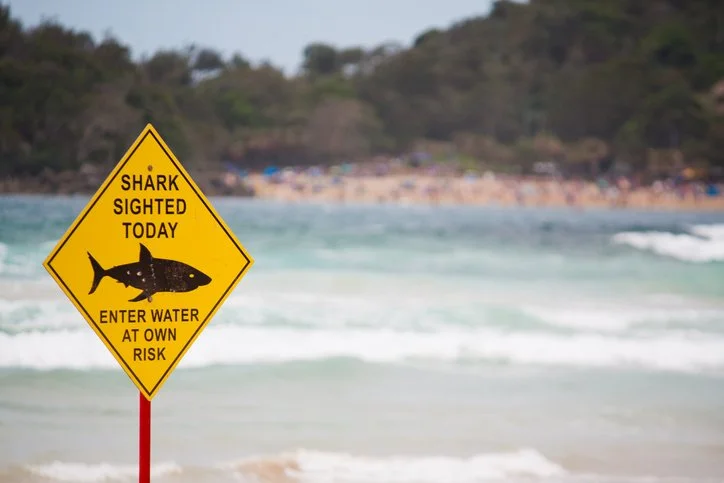
| Good to Know | Australia is very safe overall, but the environment is taken seriously. Sun protection, ocean conditions, and local advice matter more than people expect. |
| Travel Planning |
Australia isn’t a place you rush. It’s better to focus on a few regions and do them properly rather than trying to see everything in one trip. Distances are large, and travel between places often takes longer than expected. |
| Average Cost |
$150–$500+ AUD per night for accommodation, depending on location and level of comfort. Flights and experiences can add up quickly, especially in peak seasons. Costs vary a lot depending on where you go and how you travel. |
Things to Do in Australia
Australia is not short on things to do, but it’s the kind of country where a few standout experiences will usually stay with you more than trying to cram everything in. It’s huge, incredibly varied, and each region feels completely different, so it’s worth choosing a few places and doing them properly.
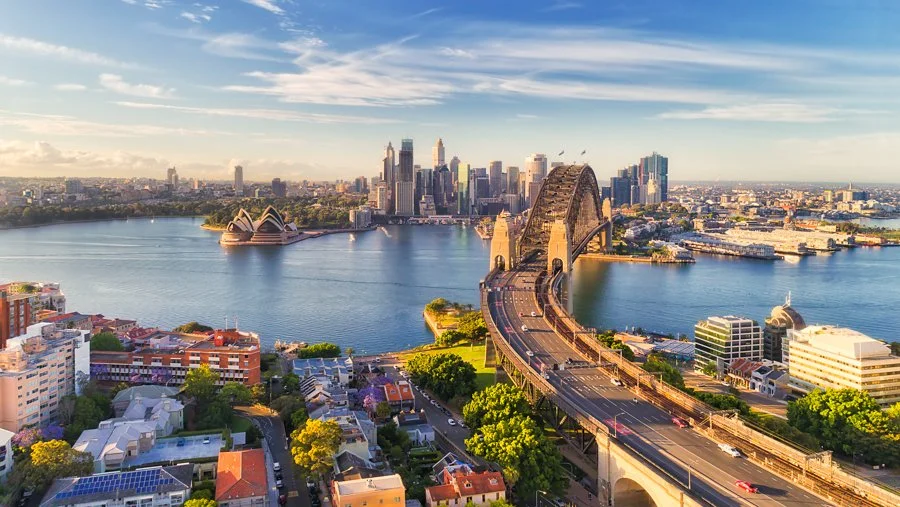
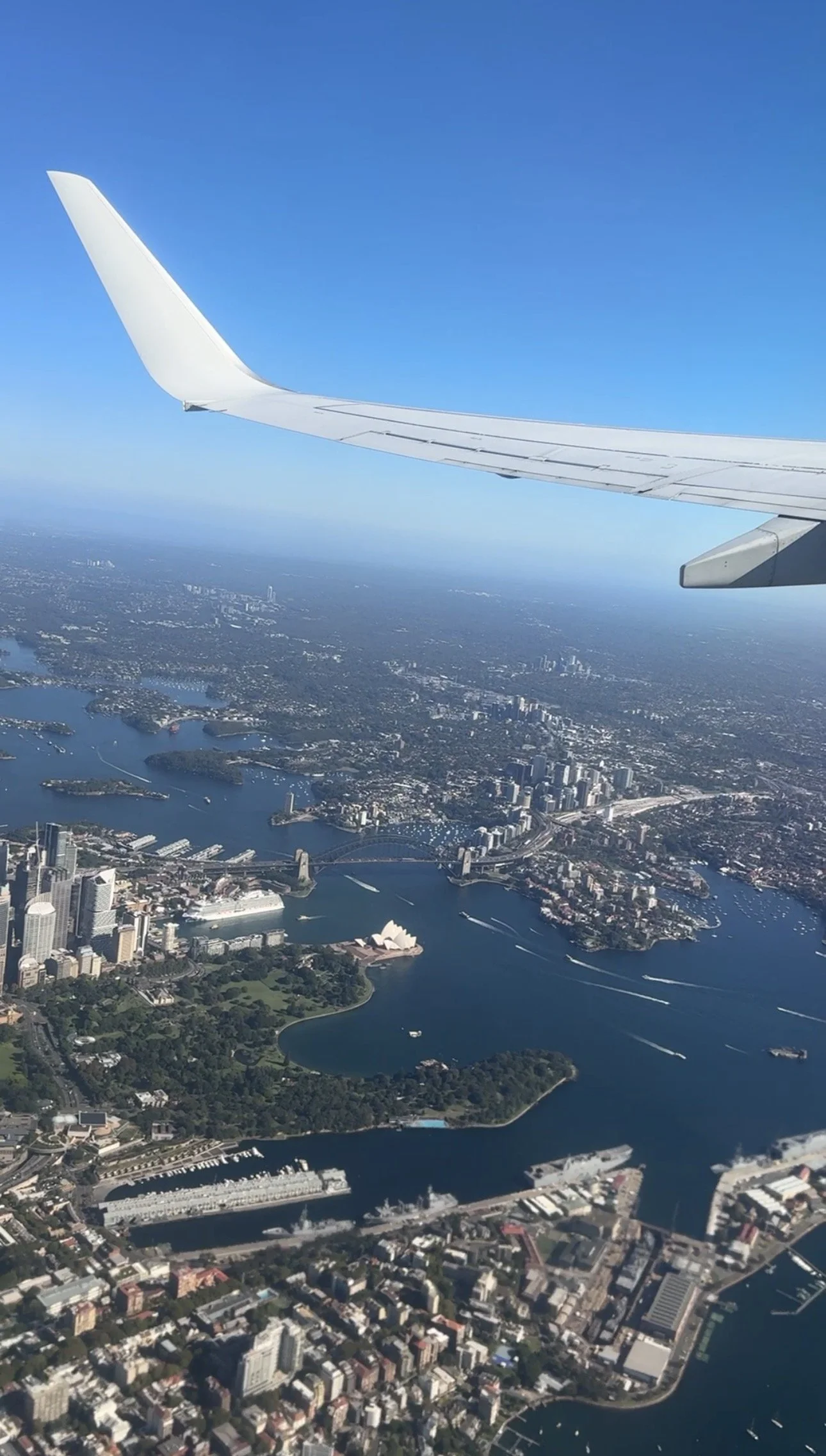
Sydney is one of the obvious starting points, and for good reason. The harbour really is as iconic as it looks, but there’s more to it than just taking a photo and moving on. Touring the Sydney Opera House gives you a much better feel for the history and significance of the building, and if you want something more memorable, a BridgeClimb at night is one of those proper bucket-list experiences.
Just outside Sydney, the Blue Mountains are one of the easiest and best escapes from the city. The scenery is dramatic, the air feels different, and it gives you a completely different side of New South Wales. This Blue Mountains day tour is a good option if you want to see the highlights without having to plan it all yourself.
Lord Howe Island is a completely different kind of Australian experience. It feels remote, special, and far quieter than most of the better-known destinations. If you’re looking for something more unique, you can browse Lord Howe Island tours here.
Further north, the Great Barrier Reef is one of the big ones. It’s one of those places that really does feel worth the effort, especially if you’ve never seen the reef before. If you want a full day out on the water, this Great Barrier Reef cruise from Cairns is a strong option.
In the middle of the country, Uluru is one of the most significant and powerful places in Australia. It’s not just about seeing the rock itself, it’s about the landscape, the scale, and understanding why it matters. This guided base walk around Uluru is a good way to experience it with more context.
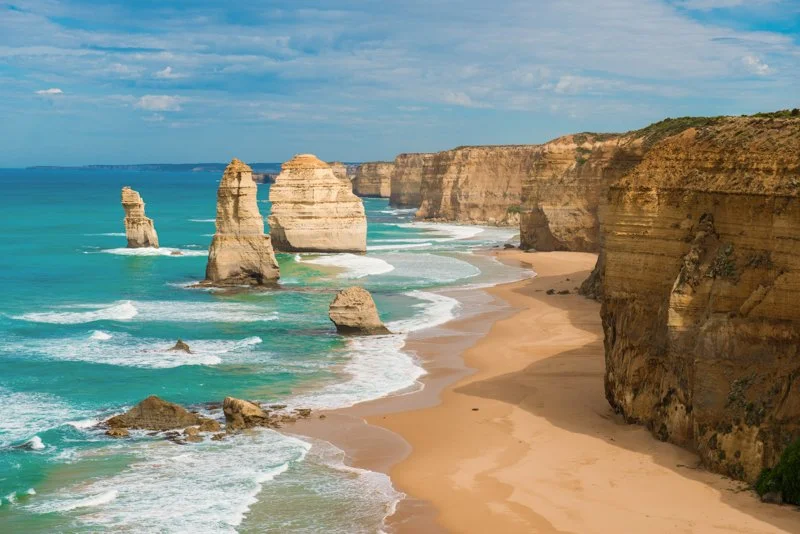
Down south, the Great Ocean Road is one of Australia’s best-known drives for a reason, with coastal views, the Twelve Apostles, and a very different feel again from the rest of the country. Kangaroo Island is another standout, especially if you want wildlife, rugged landscapes, and something that feels a little more removed. You can explore Kangaroo Island experiences here.
Over in Western Australia, Rottnest Island is one of those places that manages to feel relaxed, fun, and genuinely beautiful all at once. Between the beaches, bike riding, and the famous quokkas, it’s an easy favourite. This Rottnest Island package from Perth is a good place to start.
Australia is one of those countries where you do not need to do everything. A few well-chosen experiences across very different regions will give you a much better feel for the country than racing through a long checklist ever could.
Australian & Pacific Travel City and Activities Guides
A Very Unofficial Australian English Dictionary (Aussie Slang)
Australians have a habit of shortening words, flipping meanings, and making conversations sound far more confusing than they actually are. It’s mostly harmless.
As the great Carl Barron says, Australian English is a bit of a smart-arse language. If you ask us how we’re going, we’ll tell you what we’re not — “not bad”. Ask what we’re doing, it’s usually “not much”.
It doesn’t always make sense at first, but once you realise the last word is usually the one that counts, you’ll be fine.
| What Australians Say | Meaning | What Australians Say | Meaning |
|---|---|---|---|
| Yeah, nah | I hear you… but no. | Nah, yeah | No… but actually yes. |
| Yeah, nah, yeah | After thinking about it… yes. | Not bad | I’m actually doing pretty well. |
| Not much | I’m doing something… just nothing worth explaining. | Mate | Anyone — friend or stranger. Tone matters. |
| Mateship | Looking out for people, whether you know them or not. | No worries | It’s all good, genuinely not a problem. |
| How ya going? | Hello. Not a real question. | Take the piss | Joke around or lightly make fun. |
| Sook | Someone being overly sensitive or complaining. | She’ll be right | It’ll be fine, don’t stress (even if it might not be). |
| Arvo | Afternoon. | Servo | Petrol station. |
| Bottle-o | Liquor store. | Brekkie | Breakfast. |
| Reckon | Think / believe. | Heaps | A lot. |
This video by Hi Josh sums up Aussie slang pretty well. If you’re trying to get your head around how Australians actually talk, it’s worth a watch.
Australia Travel Guide: Culture, History and What to Expect
Australia’s history is layered, and understanding even a small part of it gives you a much deeper perspective on the country today.
Aboriginal and Torres Strait Islander peoples have lived on and cared for this land for over 65,000 years. Their connection to Country, community, and deep understanding of the environment shaped Australia long before modern borders existed, and that history is still present today.
British colonisation began in 1788, when the First Fleet arrived in Sydney. What followed had a lasting impact on Indigenous communities, including displacement, violence, and policies that led to the Stolen Generations. It’s a difficult but important part of Australia’s history, and something that’s increasingly recognised and acknowledged.
Over time, Australia developed its own identity. Federation in 1901 brought the colonies together as one nation, but it was events like World War I that really shaped the Australian character. The ANZACs, particularly at Gallipoli, became a defining part of national identity, representing resilience, mateship, and a willingness to show up when it matters.
More recently, events like the 1996 Port Arthur tragedy in Tasmania led to some of the strictest gun control laws in the world. It’s often referenced as a moment where the country made a clear, collective decision about safety and responsibility.
Modern Australia is also deeply multicultural. Waves of migration, particularly after World War II, have shaped the country into what it is today. You see it everywhere — in food, language, neighbourhoods, and everyday life. It’s one of the things that makes travelling here so interesting, because no two places feel exactly the same.
All of this sits alongside each other — the world’s oldest continuous culture, a complex colonial past, moments of national pride and loss, and a diverse, multicultural population. Together, it’s what shapes modern Australia.
You don’t need to know every detail, but having an awareness of these moments adds a lot more meaning to the places you visit.