REPUBLIC OF IRELAND
Ireland Travel Guide
Ireland is one of the most beautiful countries in Europe, known for its green landscapes, coastal drives, and small towns full of character. From Dublin to the Wild Atlantic Way, it’s a place that’s easy to travel through but still feels distinct at every stop.
This guide brings together everything you need to plan your trip properly, including when to visit, where to stay, and the best places to see across the country. You’ll also find practical tips, itinerary ideas, and tours worth considering, so you can build a trip that fits how you actually want to travel.
Whether you’re planning a road trip, a short visit, or something longer, this page is designed to give you a clear starting point without overcomplicating it.
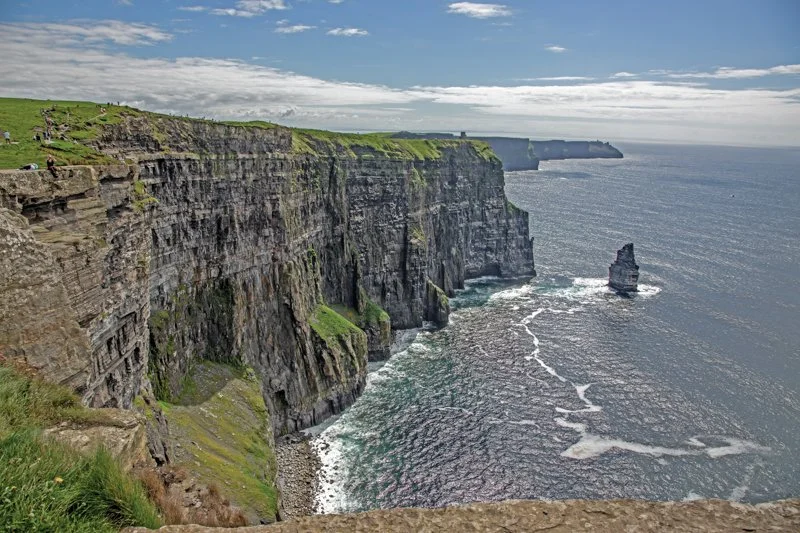
Weather & Best Time To Visit Ireland
Ireland is known for its unpredictable weather, and that’s part of what gives it its atmosphere. Expect a mix of sunshine, clouds, and rain, sometimes all in one day, especially along the coast and in more rural areas.
Late spring through early autumn is usually the best time to visit. You’ll get longer daylight hours, better conditions for exploring, and more chances to see Ireland’s landscapes at their best. That said, every season has its own appeal depending on how you want to travel.
| Season | Weather | Crowds | Prices | Best For |
|---|---|---|---|---|
| Spring 🌸 (Mar – May) | Cool to mild (8–15°C) | Moderate | 💰💰 | Green landscapes, fewer crowds, road trips |
| Summer ☀️ (Jun – Aug) | Mild (15–20°C) | Busy | 💰💰💰 | Long days, coastal drives, peak sightseeing |
| Autumn 🍂 (Sep – Nov) | Cool (10–16°C) | Moderate | 💰💰 | Scenery, quieter travel, good value |
| Winter ❄️ (Dec – Feb) | Cold (4–10°C) | Quiet | 💰 | Cosy stays, cities, slower travel |
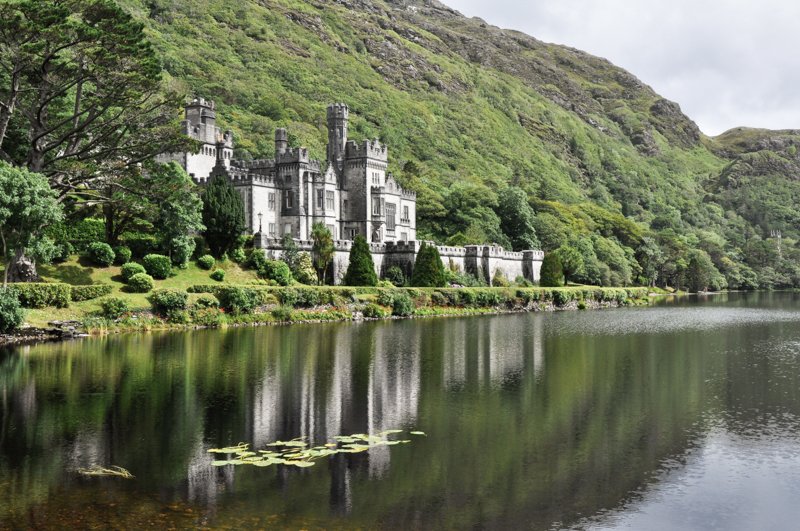
Things to Do in Ireland
Ireland is less about ticking off landmarks and more about the places you build your trip around. From coastal drives to historic sites and small towns, most of the best experiences come from getting out and exploring properly.
Start with the classics like the Cliffs of Moher, the Ring of Kerry, and time in Dublin, then build around that depending on how long you have. Coastal routes like the Wild Atlantic Way are some of the best in Europe, and even short sections of it are worth it.
If you don’t have a car, tours are one of the easiest ways to see more of the country without overplanning. Day trips from Dublin to places like the Cliffs of Moher or Northern Ireland are popular for a reason, they cover a lot in a short time and take the stress out of logistics.
You’ll also find smaller experiences along the way, from castle visits and coastal walks to local food, pubs, and live music. These are often the parts people remember most.
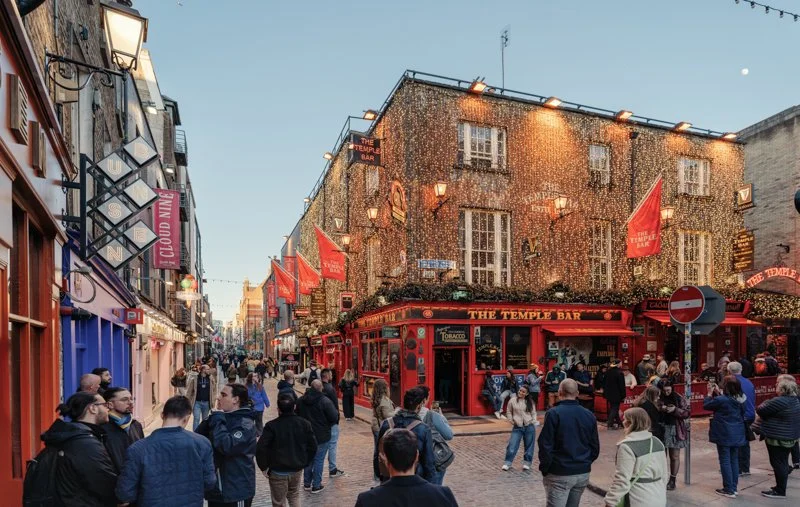
Practical Travel Tips for Visiting Ireland
Ireland is easy to travel around, but there are a few practical things worth knowing before your trip. The Republic of Ireland is an independent country and not part of the United Kingdom, with its own identity, culture, and systems.
Most of your trip will be straightforward, but understanding how transport, regions, and local travel work will make a big difference, especially if you’re planning to explore beyond Dublin and into more rural areas.
| Quick Facts | |
|---|---|
| Capital | Dublin |
| Currency | Euro (€) |
| Language | English is spoken everywhere, with Irish (Gaeilge) also used on signs and in Gaeltacht regions. |
| Getting Around | Best explored by car for flexibility. Trains and buses connect major towns, but rural areas are harder to reach. |
| Power Plugs | UK-style Type G plugs |
| Best Time to Visit | Late spring to early autumn (May–September) for longer days and better conditions. |
| Driving | Drives on the left. Roads can be narrow, especially along coastal routes and in rural areas. |
| Good to Know | Northern Ireland uses GBP (£), so you may need both currencies if crossing the border. |
Republic of Ireland: Culture & Important Distinctions
Ireland is easy to travel, but there’s more to it than just ticking off sights. The landscapes, pubs, and coastal drives are part of it, but what really stands out is the culture, identity, and sense of place.
The Irish name for Ireland is Éire (pronounced air-uh), and you’ll see both English and Irish used across the country. Irish (Gaeilge) is one of the official languages, and while English is spoken everywhere, there’s a strong effort to preserve and support it, especially in Gaeltacht regions.
Like other Celtic regions, including Scotland and Wales, Ireland’s language and culture were heavily impacted over time. Today, there’s a clear focus on protecting that identity, and you’ll notice it in everyday travel, from signage to local traditions, music, and storytelling.
The Republic of Ireland is its own independent country and not part of the United Kingdom. Northern Ireland sits in the north-east of the island and is part of the UK. You can travel easily between the two, but they are separate countries with different systems and identities.
For travellers, the main thing you’ll notice is the atmosphere. It’s friendly without trying too hard, conversations happen easily, and there’s a strong sense of pride in both local communities and national identity.
Europe and British Isles Guides