ENGLAND
England Travel Guide: History, Charm and What to Expect
I’ve been to England multiple times, and it’s one of those places I always come back to. There’s something about it that just feels familiar, easy, and endlessly interesting. Every trip feels a bit different depending on where you go.
England is layered with history in a way that’s hard to describe until you’re there. From the monarchy and royal landmarks to centuries of architecture, literature, and influence, it’s shaped so much of the world we know today. You see it in everything, from castles and cathedrals to small villages that feel like they haven’t changed in hundreds of years.
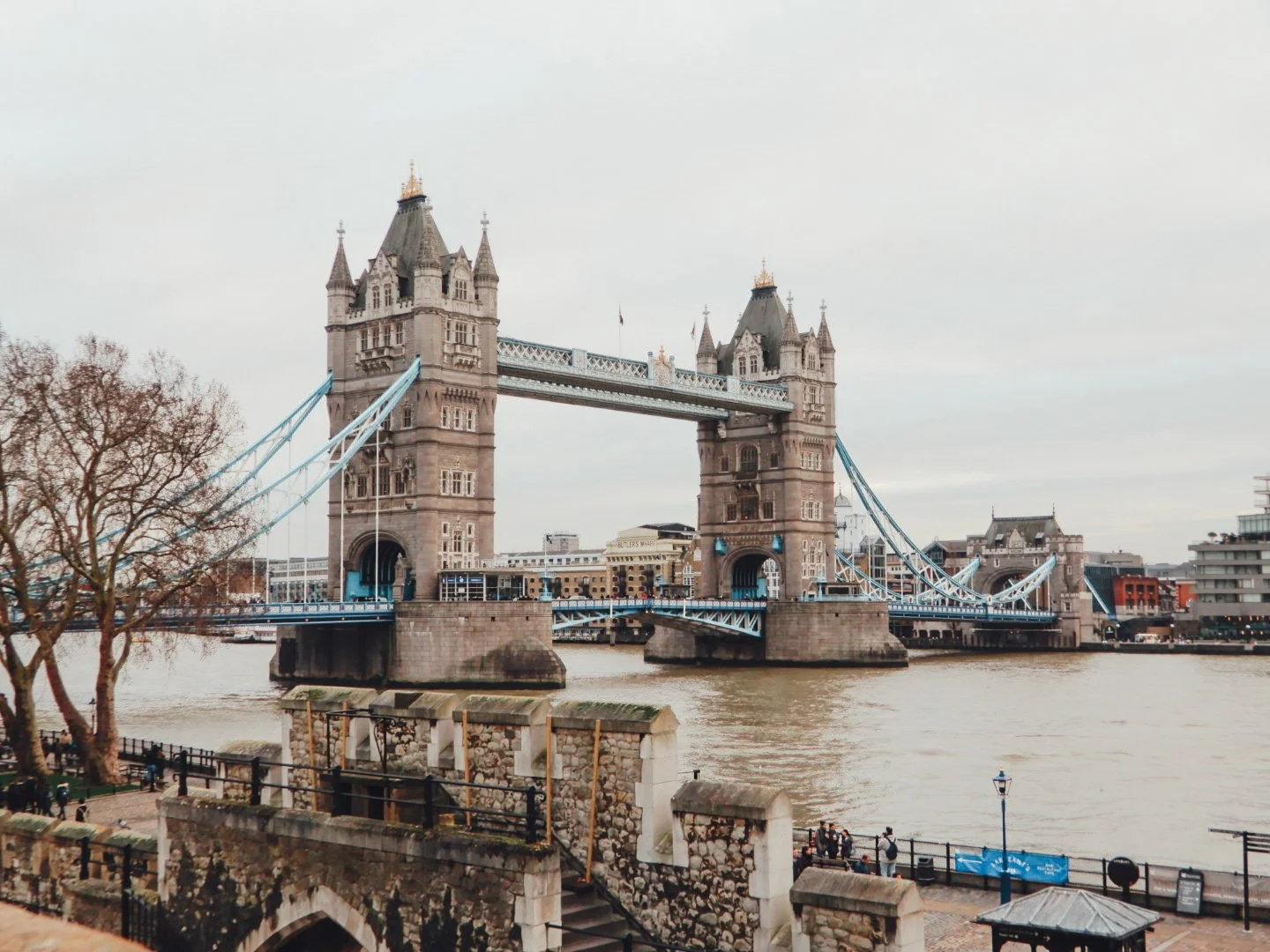
London is usually where most trips start. It’s busy, iconic, and packed with history. Places like the Tower of London and Crown Jewels or day trips like the White Cliffs of Dover and Canterbury give you a glimpse into that history straight away.
Outside of London is where England really slows down. The Cotswolds is probably my favourite area. Rolling countryside, stone villages, and that classic English feel. You can explore it on your own or through something like a small group Cotswolds day trip.
I also love Brighton for something a bit more relaxed and coastal, and Bath for its architecture and Roman history. If you’re short on time, tours like this Stonehenge, Windsor Castle and Bath day trip combine a few key spots in one go.
One thing I always recommend before going is getting a bit of background on the history. One of my favourite books is English History Made Brief, Irreverent, and Pleasurable. It makes everything you see feel a lot more connected once you’re actually there.
It’s a long trip from Australia, but an easy one to plan. With direct flights from Perth and plenty of connections through airlines like Qantas, getting there is more straightforward than it seems. You can browse flights to England here.
England suits travellers who love history, but also want variety. Cities, countryside, coastlines, and culture all within a relatively small area, and it’s one of those places that’s just as good on your second or third visit as it is the first.
Jump to: Guide • Weather • Travel Tips • Things to Do • Top Destinations • London • Cotswolds & Bath • Brighton • Oxford & Cambridge • York • Manchester • Lake District • Cornwall • Stonehenge • UK & Beyond • Guides • History • Where to Stay
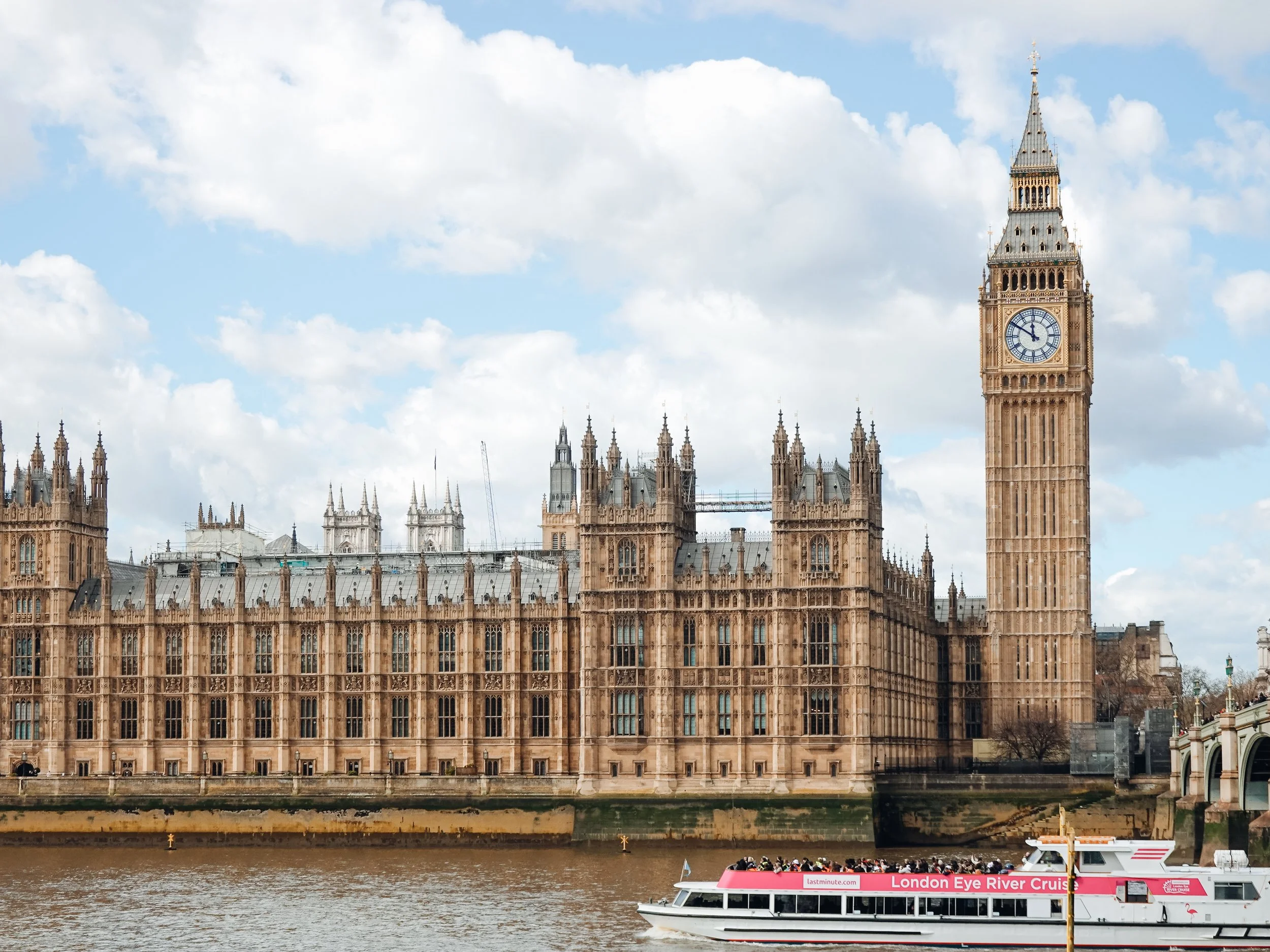
Weather & Best Time to Visit England
I’ve visited England in every season, and honestly, each one has something to offer. From cosy winters to long summer days, it really changes the feel of a trip depending on when you go.
My favourite time to visit is late March to early April. It’s that sweet spot where everything is starting to open up again, flowers are coming out, and it’s not overly busy. You get that fresh spring feel without the peak season crowds or prices.
Summer (June to August) is the most popular, with longer days and warmer weather, but it’s also the busiest. Autumn is quieter and still beautiful, especially in the countryside, while winter can feel a bit slower but cosy, particularly around Christmas.
Weather can be unpredictable year-round, so layers are always a good idea. It’s less about chasing perfect weather and more about enjoying the atmosphere wherever you are.
| Season | Spring 🌸 (Mar – May) | Summer ☀️ (Jun – Aug) | Autumn 🍂 (Sep – Nov) | Winter ❄️ (Dec – Feb) |
|---|---|---|---|---|
| Weather | Mild (8–15°C) Fresh, some rain |
Warm (15–25°C) Longer days |
Cool (10–18°C) Crisp, some rain |
Cold (2–10°C) Grey, shorter days |
| Crowds | Low–Moderate | High | Moderate | Low |
| Prices | 💰💰 | 💰💰💰 | 💰💰 | 💰–💰💰 |
| Best For | Flowers blooming Fewer crowds Best overall timing |
Long days Festivals Peak travel season |
Countryside colours Quieter travel Shoulder season |
Christmas markets Cosy pubs Lower prices |

Practical Tips for Visiting England
England is easy to travel, but how you plan your trip makes a big difference. It’s not a huge country, so you don’t need to rush. A mix of London, a smaller city like Bath, and somewhere like the Cotswolds gives you a much better feel than trying to do everything.
Getting around is straightforward. Trains connect most major cities and are usually the easiest option, while tours are great for places like the Cotswolds where public transport is more limited. Driving is possible, but roads can be narrow and parking isn’t always easy in towns and cities.
Weather is unpredictable year-round, so layers are essential. Even in summer, you’ll want a light jacket, and rain can happen at any time. It’s part of the experience more than something to avoid.
Costs can add up quickly, especially in London. Accommodation, attractions, and transport are on the higher side, so it’s worth booking ahead where you can. Outside of London, things tend to feel more reasonable.
One thing that stands out is how much history there is everywhere. It’s worth doing a bit of reading or listening before you go, as it adds a lot more meaning to what you’re seeing once you’re there.
England is also very easy culturally. It’s familiar, safe, and straightforward to navigate, which makes it a good option whether it’s your first time in Europe or not.
| Quick Facts | |
|---|---|
| Capital | London |
| Currency | British Pound (£ / GBP). Cards are widely accepted everywhere, and you can often tap to pay for transport and small purchases. |
| Language | English. Easy to navigate, though accents can vary depending on the region. |
| Getting Around | Trains connect most cities and towns and are usually the easiest way to travel. London has an excellent public transport system, while tours are useful for places like the Cotswolds. |
| Power Plugs | Type G plugs. Same as the UK. A travel adapter is required for most international visitors. |
| Best Time to Visit | March to May and September to October for fewer crowds. Late March to early April is a great sweet spot. |
| Culture Tip | Queuing is taken seriously. Join the line and wait your turn. Tipping isn’t expected everywhere but is appreciated in restaurants. |
| Good to Know | England is easy to travel and very safe. Weather is unpredictable, so always pack layers and a jacket. |
| Top Experiences |
London, the Cotswolds, Bath, and coastal towns like Brighton are highlights. Browse England tours & experiences |
| Average Cost |
$150–$500+ AUD per night depending on location and accommodation. London is more expensive, while smaller towns and countryside stays offer better value. Costs vary depending on season, location, and level of comfort. |
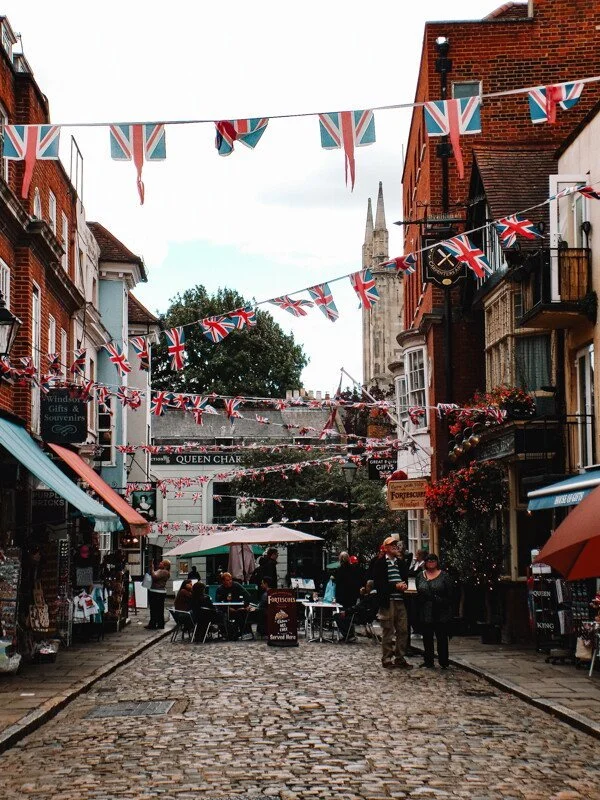
Things to Do in England
England is less about ticking off one big highlight and more about the mix of places you visit. Cities, countryside, coastlines, and history all sit close together, and each area has a completely different feel.
London is usually the starting point, with iconic landmarks, museums, and day trips nearby. From there, places like the Cotswolds and Bath give you that classic English countryside and architecture, while coastal spots like Brighton offer something more relaxed.
Further north, cities like York and Manchester bring history and culture in different ways, while areas like the Lake District and Cornwall are all about scenery and slowing down.
It’s the kind of destination where you don’t need to rush. A few well-chosen places will give you a much better feel for England than trying to fit everything in.
Before You Go
Sorting a few basics before you travel makes a big difference once you arrive. Having mobile data ready to go and travel insurance in place is one of those things you don’t think about until you need it.
England and UK Travel Guides
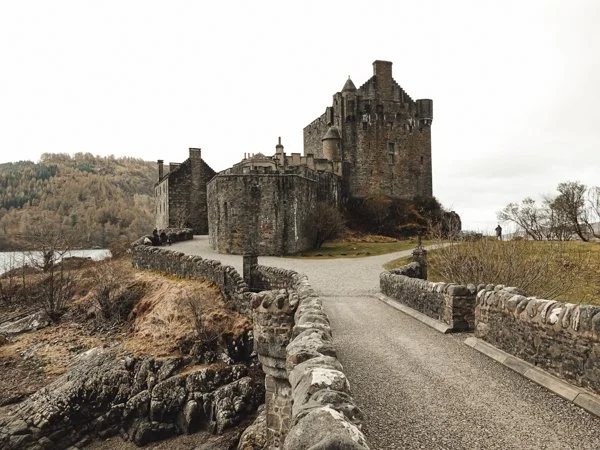




Top Destinations and Tours In England
London
London is where most trips begin, and it’s one of those cities you could visit multiple times and still not see everything. It’s packed with history, culture, and iconic landmarks, from Buckingham Palace and Westminster to markets, museums, and neighbourhoods that all feel completely different.
There’s a strong mix of old and new. You’ve got royal history and centuries-old buildings sitting alongside modern restaurants, shopping, and a really diverse food scene. It’s busy, but it’s also one of the easiest big cities to navigate.
Experiences like visiting the Churchill War Rooms or taking a Thames River cruise give you a different perspective of the city. If you want to see more in one go, tours like Oxford, Windsor and Stonehenge are an easy option.
You can also browse more London experiences here, or check out my full guide: Best Things to Do in London.
Cotswolds & Bath
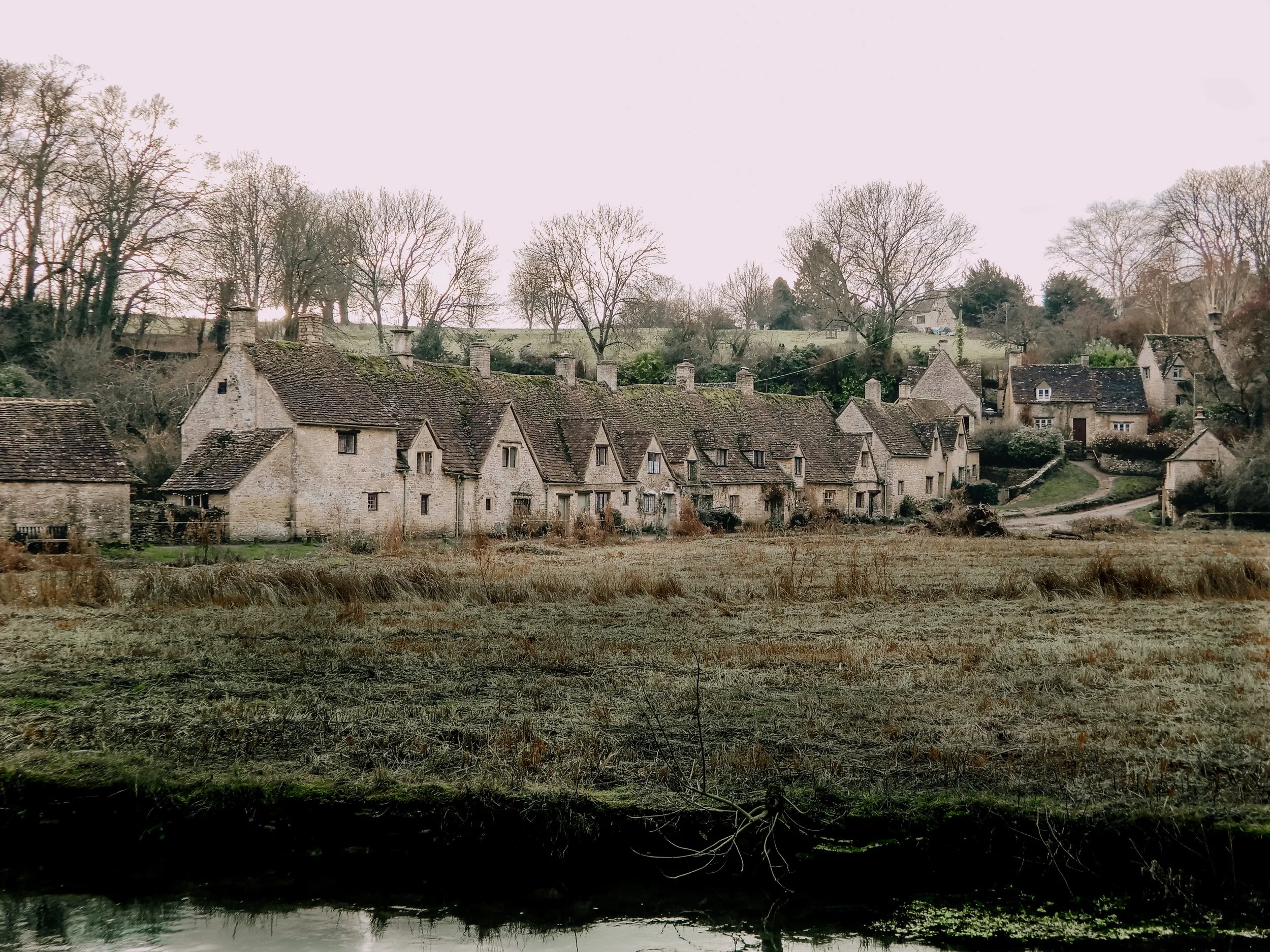
This is easily one of my favourite areas in England. The Cotswolds has that classic countryside feel, with rolling hills, stone cottages, and villages that look exactly how you imagine England should.
It’s less about ticking off sights and more about slowing down. Walking through places like Bibury or Bourton-on-the-Water, stopping at pubs, and just taking it all in is part of the experience.
Bath adds a completely different layer, with Roman history and Georgian architecture. It’s one of the most beautiful cities in England, and easy to explore on foot.
You can explore villages through experiences like a Bibury village tour, or visit Bath with options like the Roman Baths experience.
Brighton
Brighton is one of the best coastal getaways from London. It’s relaxed, a bit quirky, and has a completely different energy to the rest of England.
The beachfront, pier, and lanes are all part of the experience, with a mix of independent shops, cafés, and street art. It’s the kind of place you go to slow down and just enjoy being there.
I loved the Brighton i360 for views across the coast, and places like the Royal Pavilion give it a really unique feel.
Oxford & Cambridge
Oxford and Cambridge are known for their universities, but even if you’re not interested in academia, they’re worth visiting for the architecture and atmosphere alone.
Historic colleges, libraries, and riverside walks give these cities a really classic English feel. It’s easy to spend a day just wandering and taking it all in.
You can explore with a walking tour of Oxford or a Harry Potter tour.
York
York feels like stepping back in time. With its medieval streets, historic walls, and strong Viking and Roman history, it’s one of the most atmospheric cities in England.
The Shambles is one of the most famous streets, and the whole city has that old-world feel that’s hard to replicate anywhere else.
Experiences like the Bloody Tour of York or a river cruise are great ways to explore.
Manchester
Manchester has a completely different feel to London. It’s known for music, sport, and a strong industrial history, with a more modern and creative edge.
It’s a great place if you’re into football, live music, or just want to see a different side of England beyond the traditional highlights.
You can go behind the scenes at Etihad Stadium, or explore nearby countryside with a Bronte Country tour.
Lake District
The Lake District is one of the most scenic parts of England, known for its lakes, mountains, and walking trails. It’s a completely different pace to the cities and one of the best places for nature.
It’s popular for hiking, but you don’t need to be overly active to enjoy it. Even just driving through or taking in the views is worth it.
You can explore with a Ten Lakes tour or a Beatrix Potter tour.
Cornwall
Cornwall feels completely different to the rest of England, with rugged coastlines, beaches, and a slower, more relaxed feel.
It’s known for coastal walks, surf beaches, and small seaside towns. If you’re looking for a break from cities, this is one of the best areas to visit.
Trips like St Michael’s Mount and Cape Cornwall are a great way to explore.
Stonehenge & Salisbury
Stonehenge is one of England’s most iconic landmarks, and one of those places that’s worth seeing at least once.
It’s easy to visit from London, either independently or as part of a tour, and often combined with other historic sites.
You can visit with options like an independent Stonehenge tour or a Stonehenge inner circle experience.
Other UK & Crown Destinations
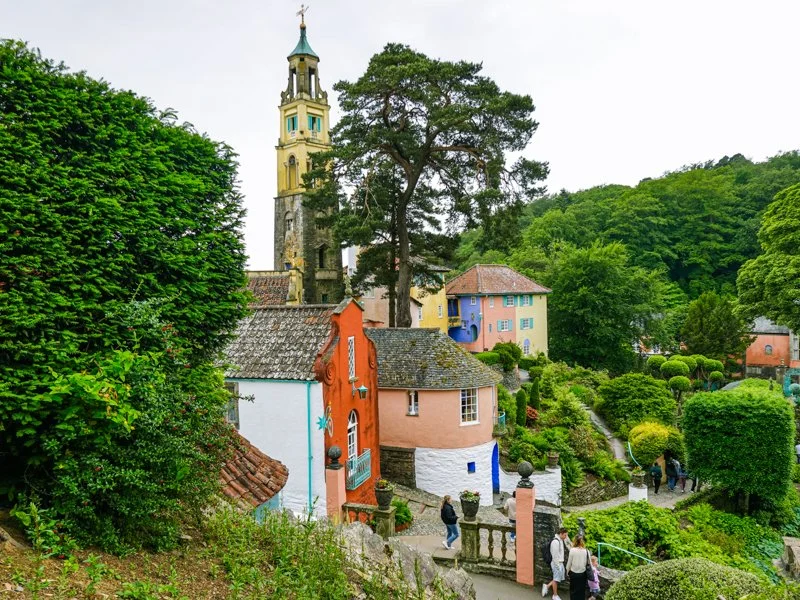
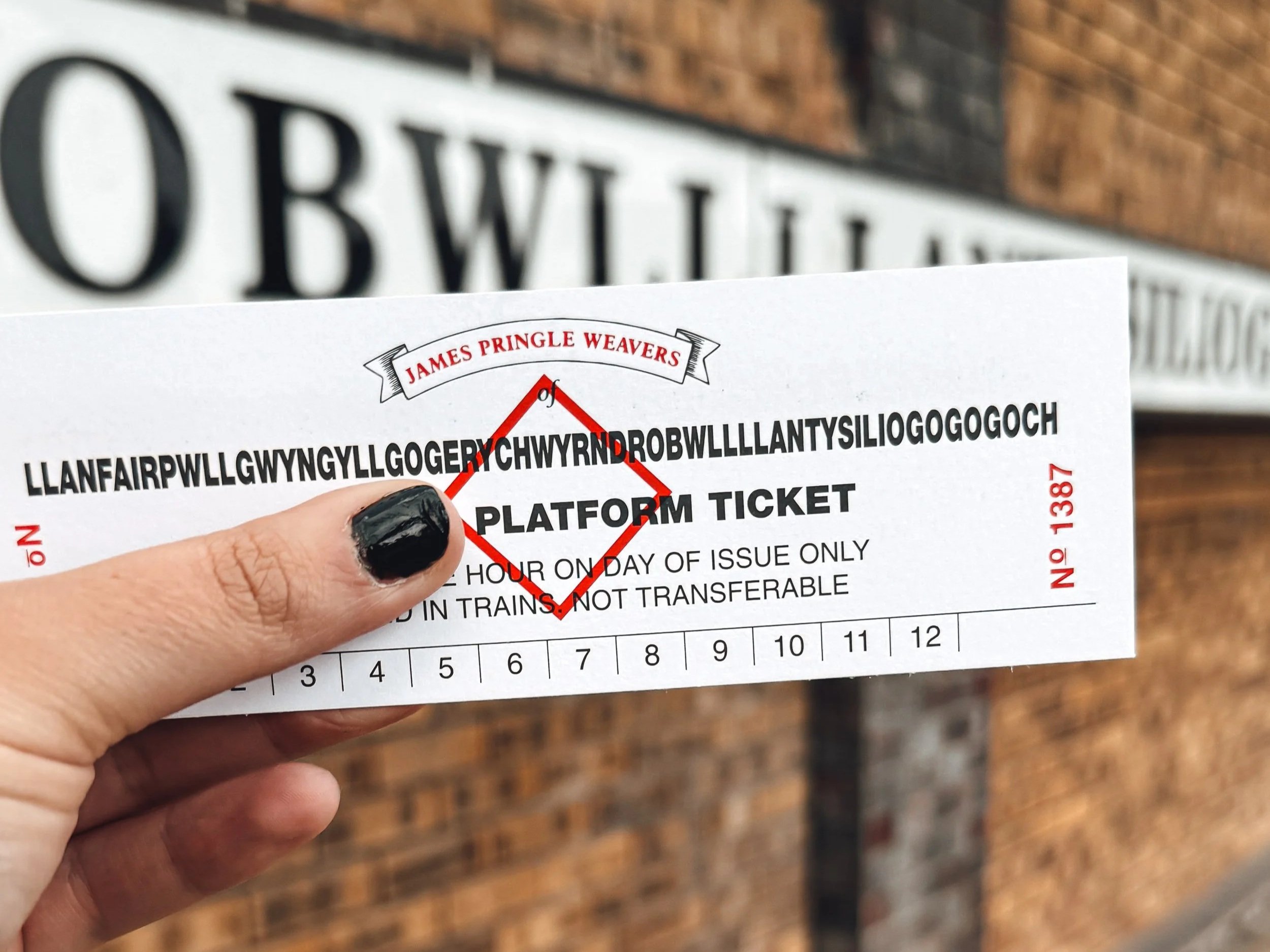
If you have more time, it’s worth exploring beyond England. Places like Wales, Scotland, Northern Ireland, the Channel Islands, or even Gibraltar all offer something completely different.
England Travel Guide: Culture, History and What to Expect
England has a strong cultural identity shaped by centuries of history, monarchy, and global influence. It’s one of those places where the past is always present, whether you’re walking through a major city or a small village.
From early kingdoms and medieval times through to the rise of the British Empire, England has played a huge role in shaping modern politics, language, and culture around the world. You see that reflected everywhere, from castles and cathedrals to traditions that are still part of everyday life.
The monarchy is still a big part of that identity. While it’s more symbolic today, it’s tied closely to the country’s history, and places like the Tower of London, Windsor Castle, and Westminster give you a real sense of that legacy.
Personally, I find England fascinating for that reason. There’s so much history layered into everything, but it doesn’t feel overwhelming once you’re there. It just becomes part of the experience as you move around.
One thing that really stands out is how much variety there is. London feels completely different to somewhere like the Cotswolds or Bath, and even coastal places like Brighton have their own personality. You’re not just visiting one place, you’re seeing different sides of the same country.
Culture here isn’t something separate from daily life. It shows up in the architecture, the pubs, the way people interact, and even small things like queuing or afternoon tea. It’s familiar in some ways, but still distinct enough to feel interesting.
Taking the time to understand a bit of the history before you go makes a big difference. It adds context to what you’re seeing and makes places feel more connected, rather than just ticking off landmarks.
Where To Stay In England
England is relatively small, and it’s easy to get around, so you don’t need to move constantly. It’s much easier to pick a few good bases, like London or Bath, and explore from there with day trips.
It saves time, money, and honestly your sanity. Packing up every couple of days gets old quickly, and you end up spending more time in transit than actually enjoying where you are.
Slow it down a bit, stay longer in each place, and you’ll get a much better feel for England.