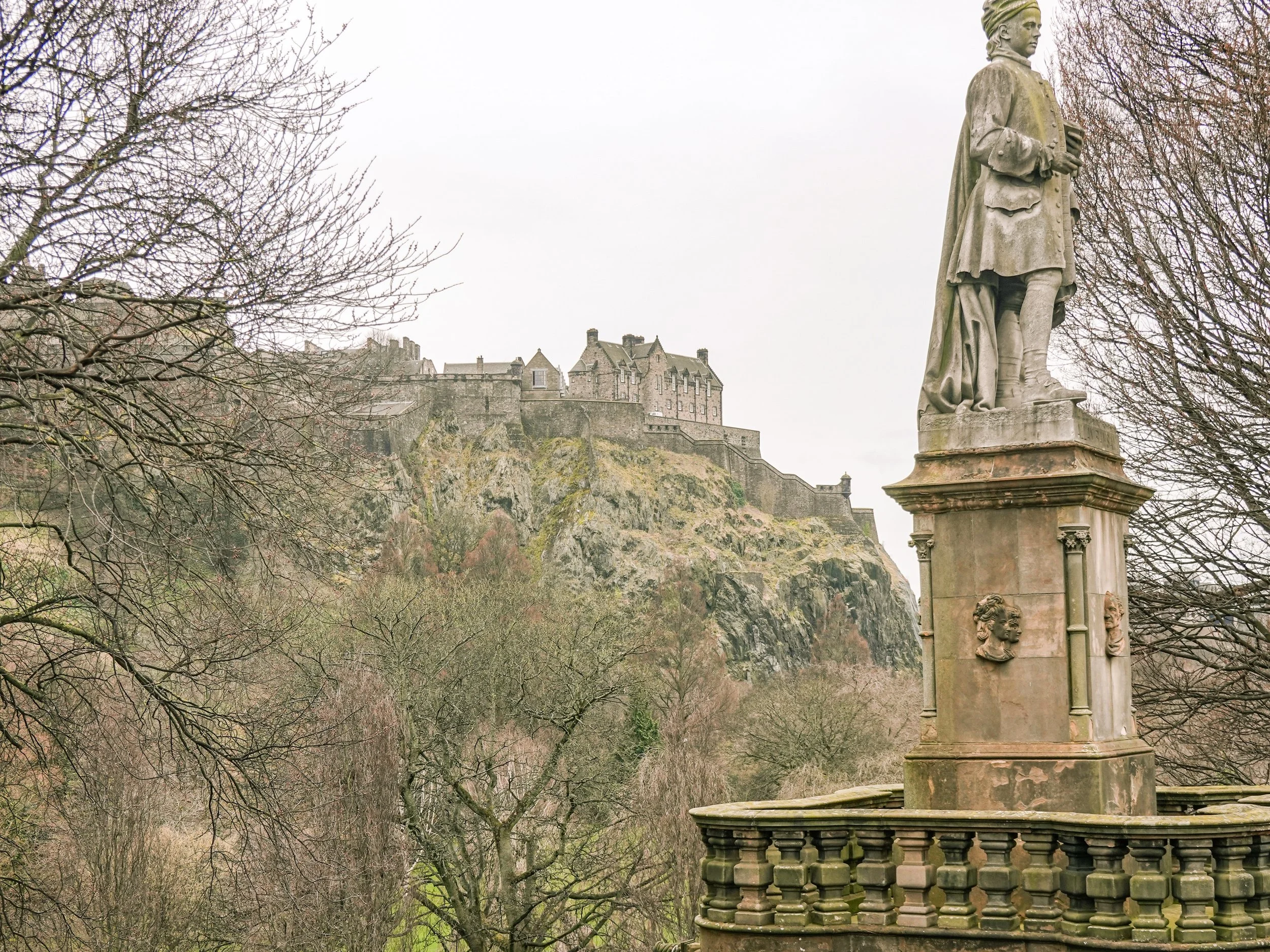
Wales
Wales: Landscapes, Coastlines & Character
I loved Wales. It’s a country shaped by its landscapes, where mountains, coastlines, and small towns all sit close together and create a really unique feel.
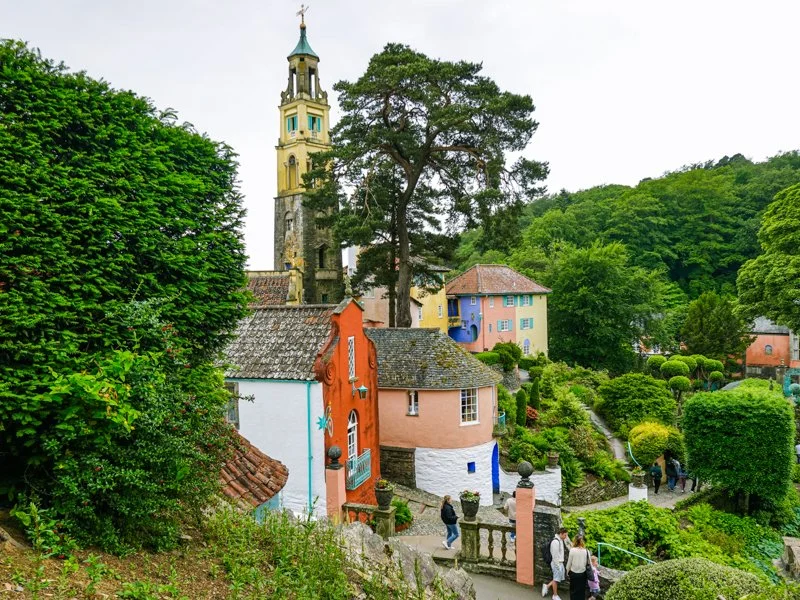
Snowdonia brings the dramatic scenery, Llandudno gives you that classic coastal edge, Cardiff adds an easy, modern city base, and Portmeirion is something completely different again.
Everything feels close, easy to explore, and genuinely interesting. Wales isn’t about rushing through, it’s about picking a few places and doing them properly.
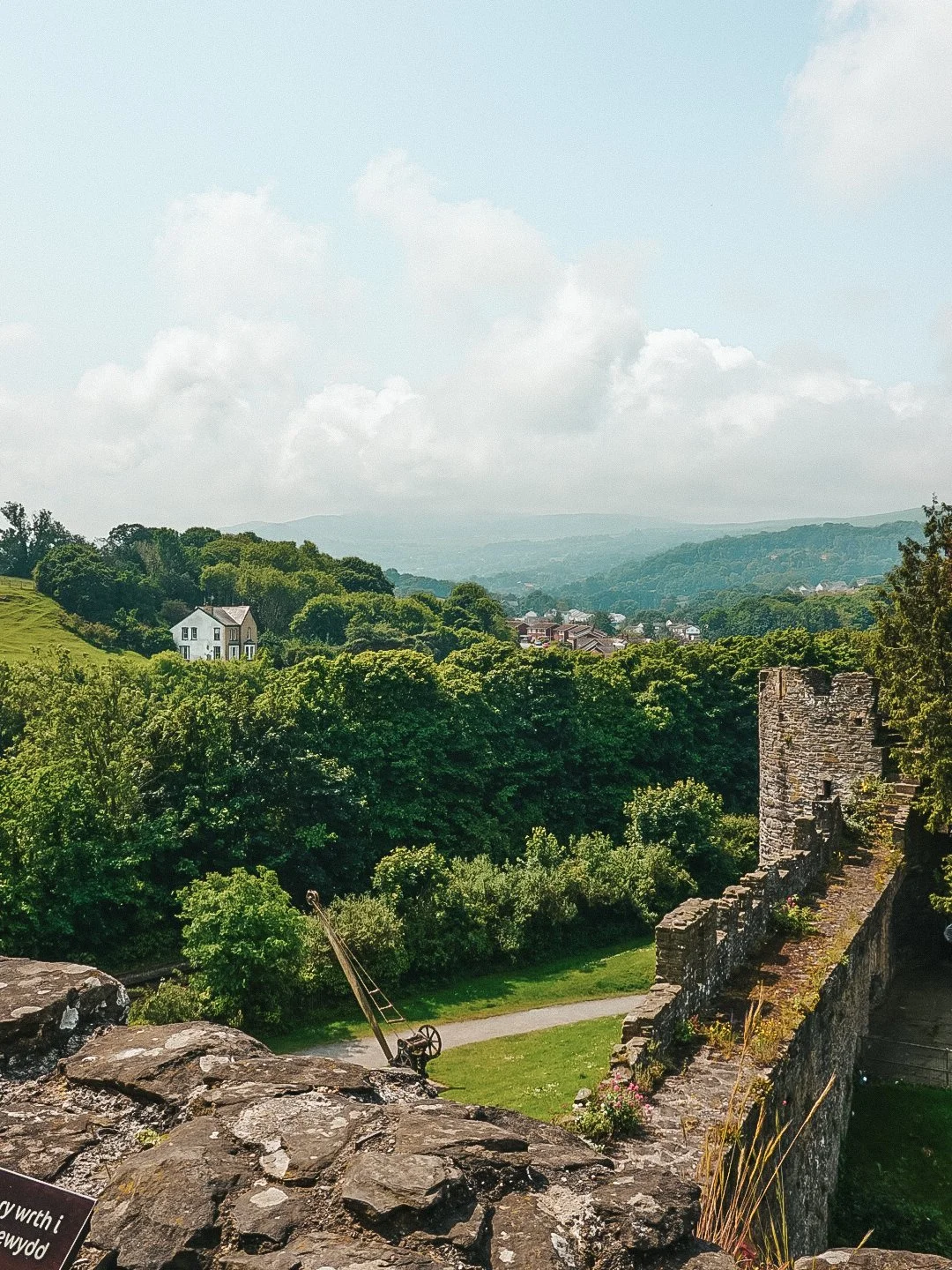
Weather & Best Time To Visit Wales
Wales is known for its changing weather, and that’s part of the experience. You can get sunshine, mist, and rain all in one day, especially around the mountains and coastline.
Late spring through early autumn is usually the best time to visit. You’ll get longer days, better conditions for exploring, and more chance of seeing Wales at its best. That said, every season has its own feel, it just depends how you want to travel.
| Season | Weather | Crowds | Prices | Best For |
|---|---|---|---|---|
| Spring 🌸 (Mar – May) | Cool to mild (10–16°C) | Moderate | 💰💰 | Fresh landscapes, fewer crowds, great for exploring |
| Summer ☀️ (Jun – Aug) | Mild to warm (17–22°C) | Busy | 💰💰💰 | Best weather, coastal trips, national parks |
| Autumn 🍂 (Sep – Nov) | Cool (10–17°C) | Moderate | 💰💰 | Scenery, quieter travel, comfortable conditions |
| Winter ❄️ (Dec – Feb) | Cold (3–8°C) | Quiet | 💰 | Quiet stays, cosy trips, slower travel |
Culture, People & Cymru
Wales has a really distinct feel to it, and a lot of that comes down to its culture and people. It’s not just a different landscape, it’s a different identity, and you notice that pretty quickly once you’re there.
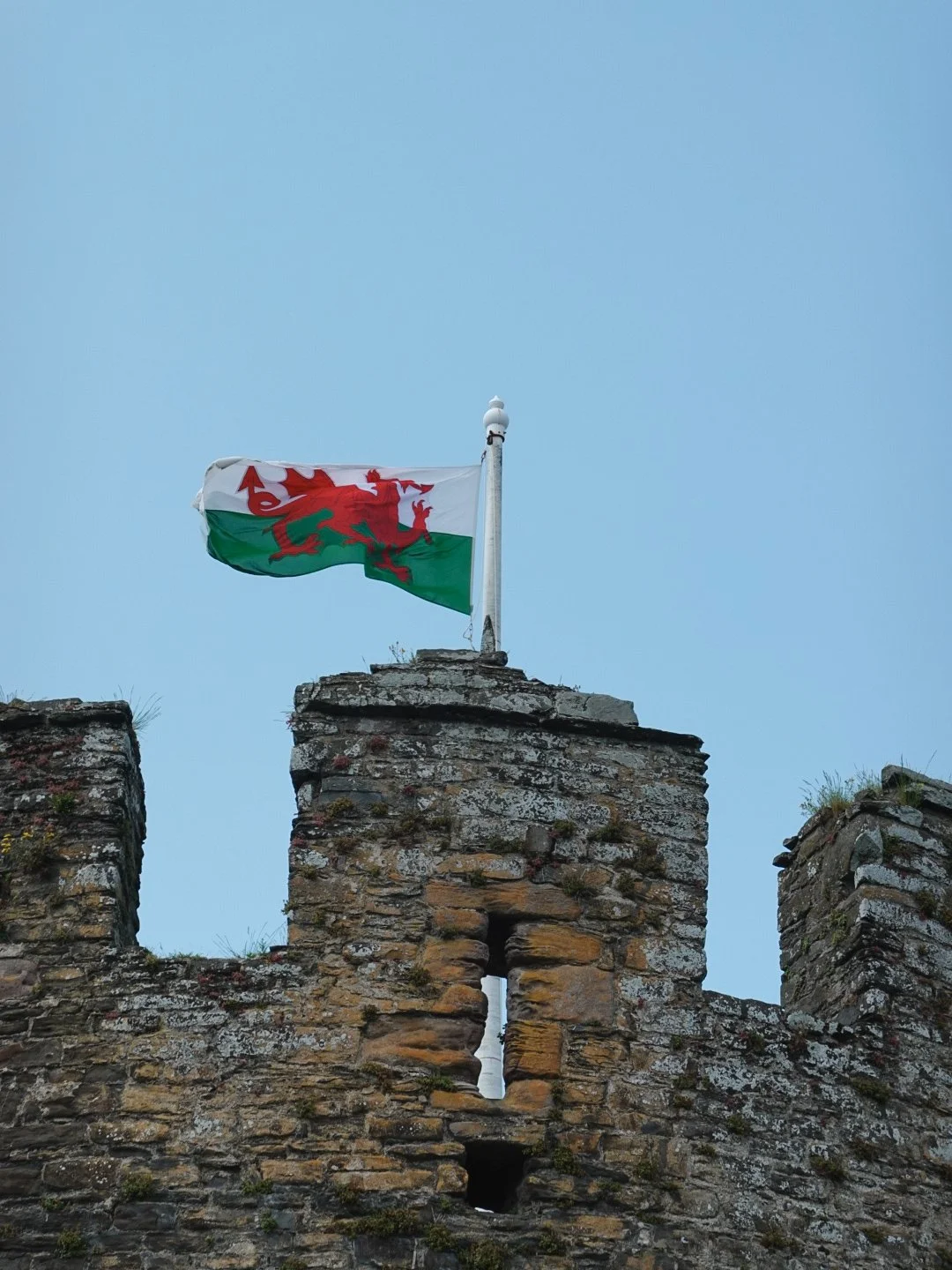
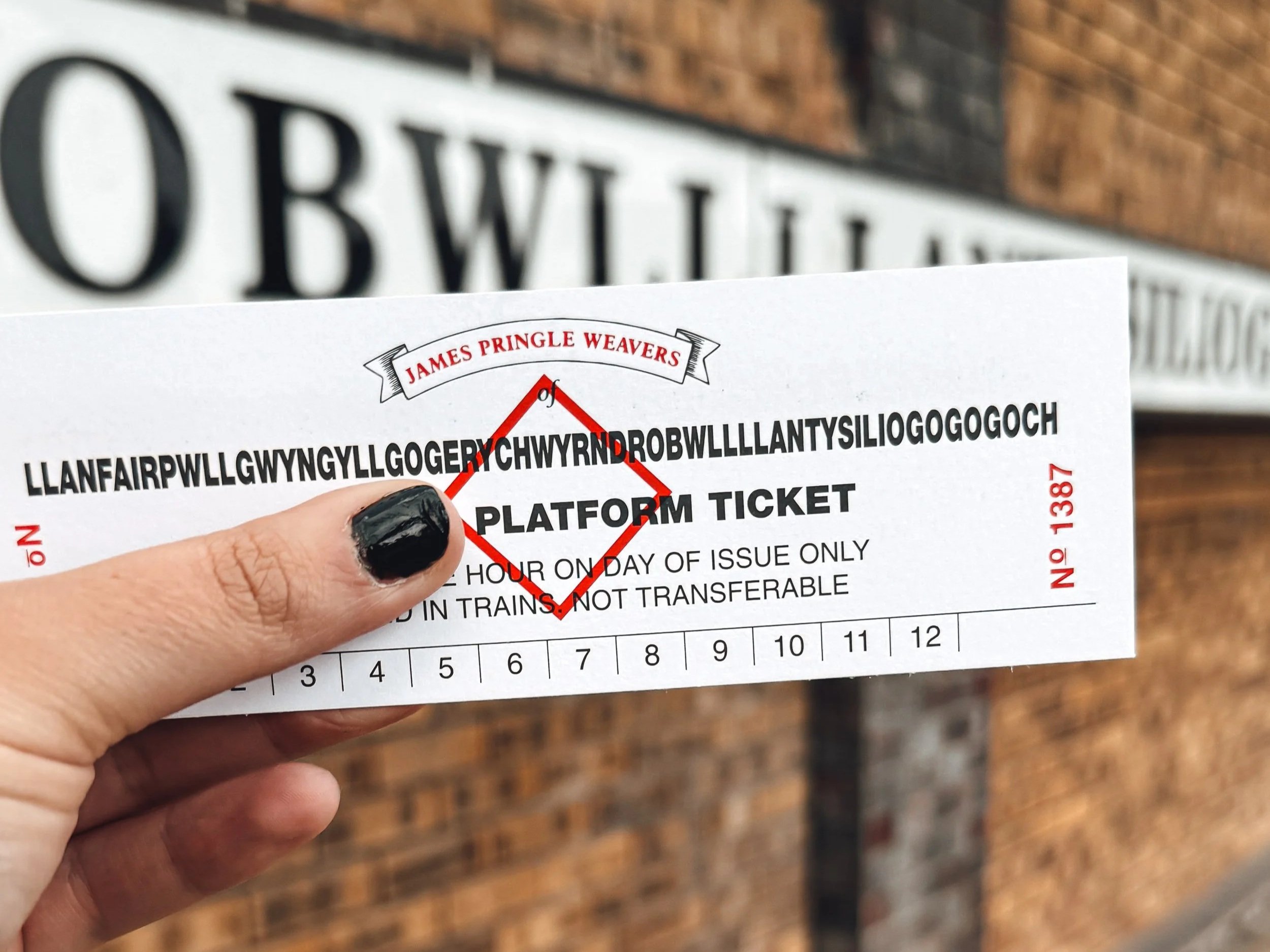
You’ll see the word Cymru everywhere. That’s the Welsh name for the country, and it means something quite different to “Wales.” Cymru comes from a word meaning “fellow countrymen” or “our people.” Wales, on the other hand, comes from an old Anglo-Saxon word meaning “foreigners.” It’s a small detail, but it says a lot about history and perspective.
That connection to Cymru, to people and place, still feels very present. Wales is first and foremost about the people of Cymru and their identity, and it comes through naturally in how the country feels.
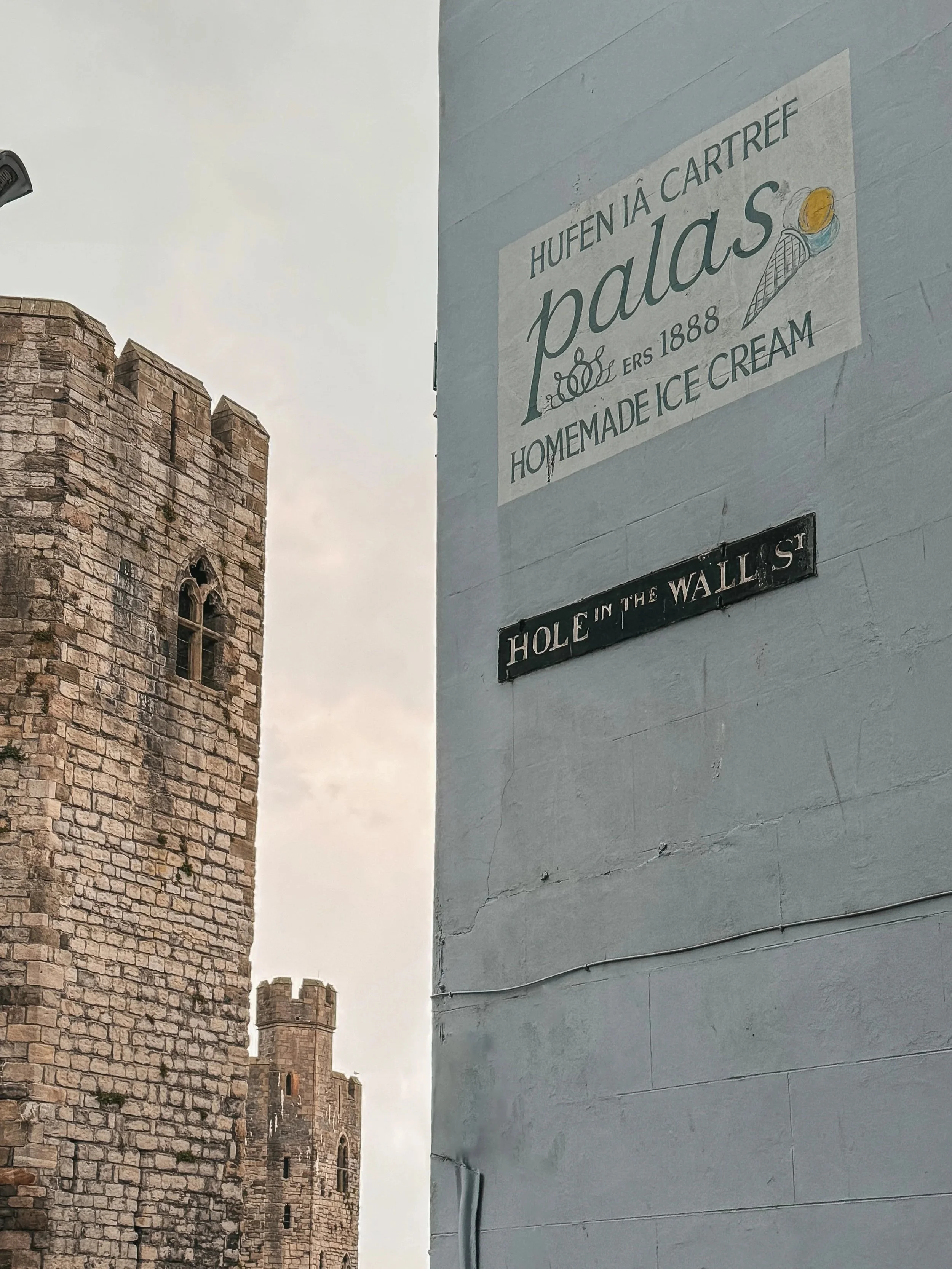
The Welsh language, Cymraeg, is part of that. Like Scottish Gaelic and Irish Gaelic, there’s a real focus on keeping it alive. You’ll notice it on signs, in place names, and across everyday life. It adds character and makes the whole country feel culturally distinct.
The culture itself feels proud, creative, and grounded. Music, storytelling, sport, and community all matter, and there’s a strong connection to the landscape. The coastlines, valleys and national parks are not just there to look at, they’re part of how people live and identify with where they’re from.
Historically, Wales has a long and complicated relationship with England. It was brought under English rule in the 13th century and later absorbed into the same legal system. Today it’s part of the United Kingdom with its own devolved government. People have different views on that, but what feels consistent is the pride in being Welsh and the connection to Cymru.
There’s also a deeper cultural layer to it. Wales, along with places like Cornwall, Devon and Scotland, is part of what’s often called the Celtic fringe. These are areas where older Celtic languages and traditions held on much more strongly over time.
The Anglo-Saxon influence that shaped much of England didn’t take hold in the same way in Wales. The landscape played a part, but so did the strength of local identity. Because of that, Wales has held onto a different cultural foundation, and you can still feel that now.
It’s not something you need to overthink, but it does add context. Wales isn’t just visually different, it has a different story behind it, and that’s part of what makes it so interesting.
From my experience, people were warm, genuine, and easy to connect with. There’s a strong sense of community and a more grounded pace that makes it feel welcoming straight away.
The main thing is just to recognise what it is. Wales is not England, and it’s not just somewhere within the UK. It’s a country with its own identity, history, and culture. Once you see it that way, the whole experience lands differently.
Practical Travel Tips for Visiting Wales
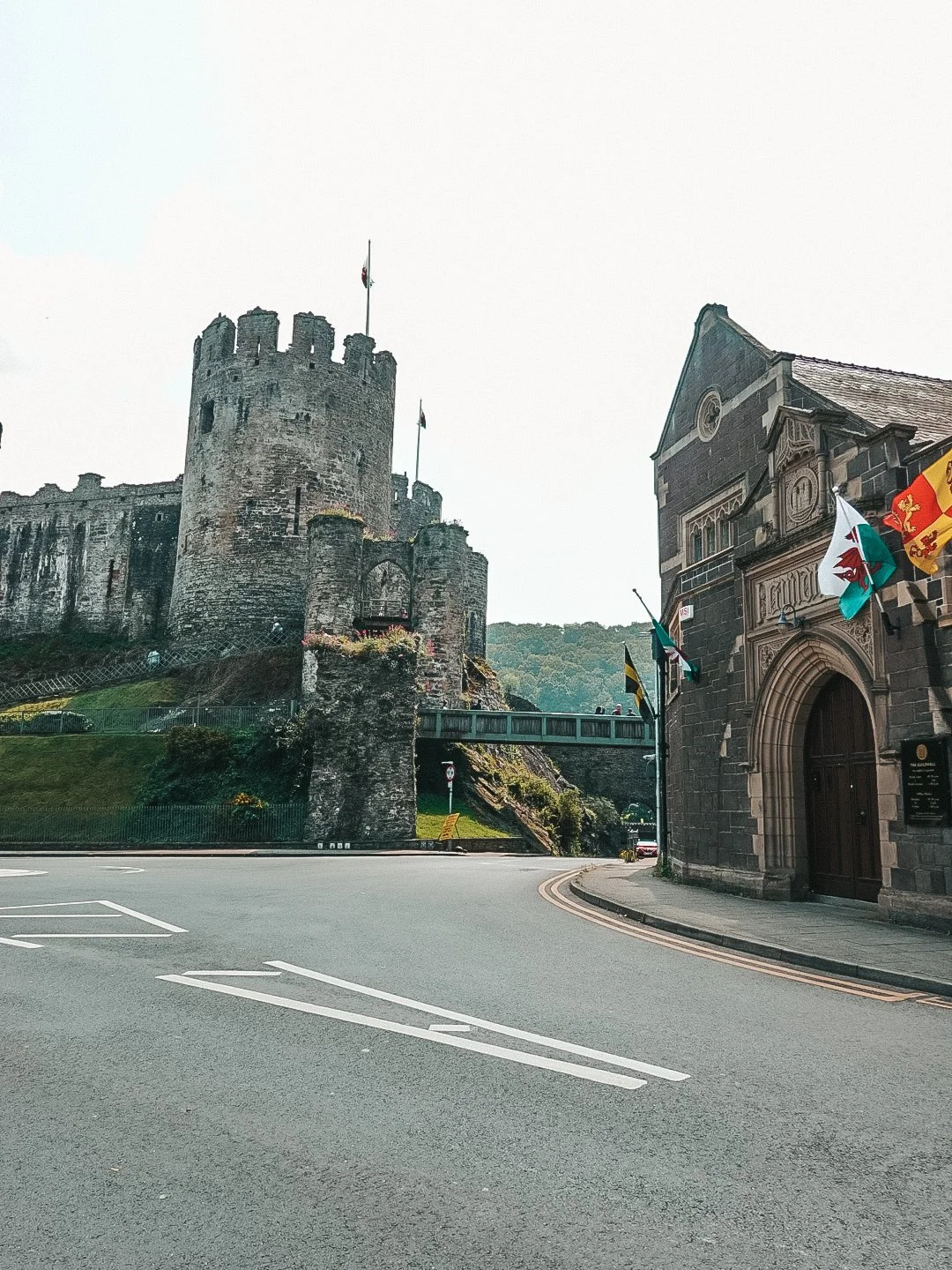
Wales is easy to travel around, but there are a few practical things worth knowing before your trip. It’s part of the United Kingdom, but it has its own language, identity, and a slightly different feel to other parts of the UK.
Most of your trip will be straightforward, but understanding how transport, regions, and local culture work will make a big difference, especially if you’re planning to explore beyond the main cities.
| Quick Facts | |
|---|---|
| Capital | Cardiff |
| Currency | British Pound (GBP) |
| Language | English is spoken everywhere, with Welsh (Cymraeg) also used on signs and in daily life. |
| Getting Around | Best explored by car. Trains and buses exist but are limited in rural and scenic areas. |
| Power Plugs | UK-style Type G plugs |
| Best Time to Visit | Late spring to early autumn (May–September) for the best weather and longer days. |
| Driving | Drives on the left. Roads can be narrow and winding, especially in rural areas and national parks. |
| Good to Know | Distances are short but travel can take longer due to road conditions, so plan accordingly. |
Wales Guides
Things To Do In Wales
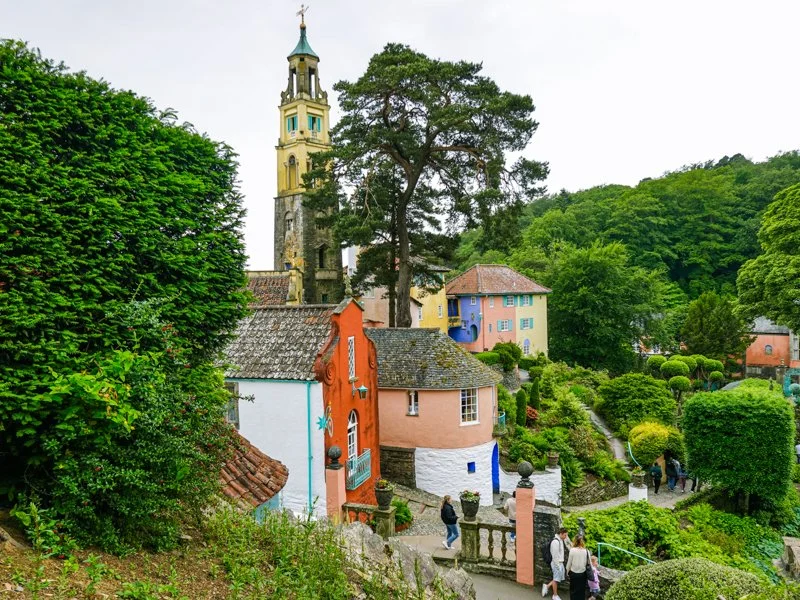
Wales is all about the experiences, from Snowdonia’s landscapes to castles, coastlines, and smaller local tours.
I like to plan around what I actually want to do, not just where I want to go. It makes the trip feel more structured and gives you something to genuinely look forward to.
Below are some tours and experiences worth looking at while planning your trip. You can browse my curated tour recommendations or explore some of the most popular experiences below.