NORTHERN IRELAND
Northern Ireland Travel Guide: Things to Do, Coastlines & Key Sights
Northern Ireland has a distinct identity that sets it apart from both the rest of the UK and the Republic of Ireland. Located on the northern part of the island of Ireland, it’s part of the United Kingdom alongside England, Scotland, and Wales, but shares deep cultural and historical ties with Ireland.
You’ll notice that mix throughout the region, from the cities to the coastline. Belfast has a strong industrial and political history, while places like the Causeway Coast feel more relaxed, with dramatic landscapes, small towns, and coastal drives.
There’s a strong sense of identity here, shaped by history, culture, and community. You’ll see it reflected in local traditions, accents, and even the way places are described depending on perspective.
Whether you’re here for scenery, history, or a road trip along the coast, Northern Ireland offers a mix of experiences that feel different to both mainland UK and the Republic of Ireland.
Jump to: Guide • Weather • Culture & History • Quick Facts • Political Tours • Destinations • Belfast • Giant’s Causeway • Causeway Coast • Derry • Derry Girls • Dark Hedges • Carrick-a-Rede
Weather & Best Time to Visit Northern Ireland
Northern Ireland has a cool, temperate climate, with mild summers and colder, wetter winters. It doesn’t get extreme temperatures, but rain is common year-round, so planning for mixed weather is key.
The best time to visit is between late spring and early autumn (May to September), when days are longer and conditions are generally more stable. This is the ideal time for coastal drives, walking trails, and seeing places like the Causeway Coast at their best.
That said, the weather can change quickly, especially along the coast. It’s normal to experience sun, wind, and rain all in one day, so layering and a waterproof jacket are always worth packing.
| Season | Spring 🌸 (Mar – May) | Summer ☀️ (Jun – Aug) | Autumn 🍂 (Sep – Nov) | Winter ❄️ (Dec – Feb) |
|---|---|---|---|---|
| Weather | Mild (10–16°C) Fresh coastal air |
Warmest (18–25°C) Sunny, sea breeze |
Mild (12–20°C) Still pleasant |
Cool (8–12°C) Wind + rain possible |
| Crowds | Moderate | Busy (Peak season) | Moderate | Quiet |
| Prices | 💰💰 | 💰💰💰 | 💰💰 | 💰 |
| Best For | Coastal walks fewer tourists |
Beach days island hopping boat tours |
Good weather quieter travel |
Peaceful atmosphere local feel |
Northern Ireland Quick Facts
Here’s a quick overview of the key things to know before travelling to Northern Ireland, from currency and transport to when to visit and what to expect on the ground.
| Quick Facts | |
|---|---|
| Capital | Belfast |
| Currency | Pound Sterling (£). Card is widely accepted, including contactless payments. |
| Language | English is the main language, with Irish and Ulster Scots also recognised. |
| Getting Around | Driving is the best way to explore, especially for the Causeway Coast. Belfast is walkable, with buses and trains connecting major areas. |
| Power Plugs | Type G plugs (standard UK). |
| Best Time to Visit | Late spring to early autumn (May–September) for longer days and better conditions for road trips and coastal views. |
| Culture Tip | Be mindful when discussing politics or identity. It’s a nuanced topic, and it’s best approached respectfully. |
| Good to Know | Northern Ireland is part of the UK, not the Republic of Ireland. Distances are short, making it easy to explore multiple areas in one trip. |
| Average Hotel Price |
£90–£250+ per night depending on location and season. Belfast is typically the most expensive, especially in summer. Shop the best hotel deals here |
Culture and History of Northern Ireland
Northern Ireland’s identity is shaped by a layered and often difficult history, but it’s also a place that feels strong, resilient, and deeply connected to its culture and community.
The story of the region is tied to the wider history of Ireland, including the lasting impact of the Great Famine in the 1800s. In 1921, the island was divided, with Northern Ireland remaining part of the United Kingdom while the rest became what is now the Republic of Ireland.
The more recent period known as The Troubles, which lasted from the late 1960s until the Good Friday Agreement in 1998, shaped daily life for decades. It’s an important part of understanding Northern Ireland, and something that is still acknowledged with care and respect today.
There’s a strong sense of identity here, with culture expressed through music, storytelling, sport, and community. Traditions run deep, but there’s also a clear sense of progress and pride in how far the region has come.
The food scene reflects that shift as well, with a growing focus on local produce, fresh seafood, and modern Irish cooking, alongside classic dishes and pub culture that still play a big part in everyday life.
Overall, Northern Ireland feels grounded in its history, but not defined by it. It’s a place of striking landscapes, strong culture, and a genuinely warm welcome.
History & Political Tours in Northern Ireland
For a deeper understanding of this period, guided experiences can be incredibly valuable. In Belfast, a political walking tour walks through key areas of the city and explains the history in a clear, balanced way. In Derry (Londonderry), a Bogside walking tour takes you past the Free Derry Corner and other significant sites, with a strong focus on context and lived experience. Both are genuinely worthwhile if you want to understand more than just the surface.
Popular Destinations In Northern Ireland
Belfast
Belfast is the capital of Northern Ireland and where most trips begin. It’s a city that has gone through huge change, with a mix of history, culture, and a growing food and bar scene. It feels modern in parts, but still very connected to its past.
The Titanic Quarter is one of the main highlights, built around the city’s shipbuilding history and home to the Titanic Belfast museum. You’ll also find the Peace Walls and political murals across different neighbourhoods, which reflect the city’s more recent history.
Belfast is compact and easy to explore, with great restaurants, pubs, and live music. It also works well as a base for day trips along the Causeway Coast.
Giant’s Causeway
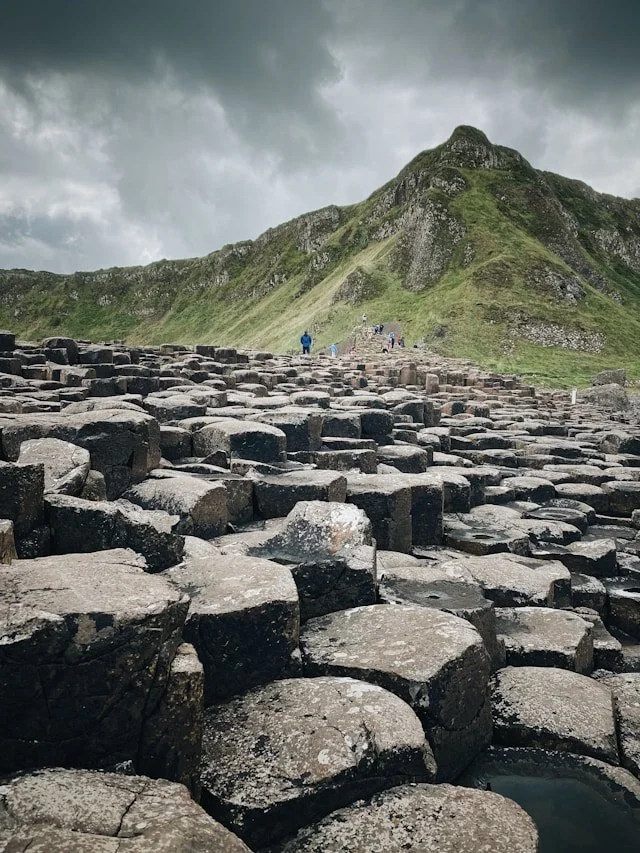
The Giant’s Causeway is Northern Ireland’s most famous natural attraction and a UNESCO World Heritage Site. It’s made up of around 40,000 interlocking basalt columns, formed by ancient volcanic activity, although local legend tells a different story involving giants.
It’s one of the most visited places in the country and can get busy, especially in summer, so going early or later in the day makes a big difference.
The Causeway is part of the wider Causeway Coast, so it’s best visited as part of a full-day trip or road trip rather than on its own.
Northern Ireland Causeway Coastal Route
The Causeway Coastal Route is one of the most scenic drives in the UK, running between Belfast and Derry. It’s known for its dramatic coastline, cliffs, beaches, and small towns along the way.
This is where many of Northern Ireland’s top sights are located, including the Giant’s Causeway, Carrick-a-Rede Rope Bridge, Dunluce Castle, and the Dark Hedges. The route can be done in one long day, but it’s better spread over two if you want to stop properly.
It’s a highlight of any Northern Ireland trip and one of the best ways to see the landscape at your own pace.
Derry (Londonderry)
Derry, also known as Londonderry, is one of the oldest cities in Ireland and has a strong cultural and historical identity. It’s smaller than Belfast but feels just as significant, particularly when it comes to understanding Northern Ireland’s history.
The city is known for its well-preserved 17th-century walls, which you can walk along for views over the River Foyle and the surrounding areas. It also played a key role during The Troubles, with sites like the Bogside and Free Derry Corner still part of the city today.
Derry is compact, easy to explore on foot, and has a strong arts and music scene, along with a more local, less commercial feel than Belfast.
Derry Girls Filming Locations
If you’re a fan of Derry Girls, visiting filming locations around the city is an easy add-on while you’re there. The show is set in Derry and uses real locations throughout, which makes it even more fun to explore in person.
Key spots include the city walls, Guildhall Square, and areas around the Bogside, all of which appear in different scenes. While some locations are subtle, others are instantly recognisable.
It’s a light, easy way to explore the city, especially alongside the more historical sites, and adds a bit of contrast to Derry’s deeper history.
The Dark Hedges
The Dark Hedges are one of the most photographed locations in Northern Ireland, known for their tunnel-like avenue of beech trees. They became globally recognised after appearing in Game of Thrones.
It’s a quick stop rather than a full attraction, but worth seeing if you’re already exploring the Causeway Coast. Early morning or late afternoon is the best time to visit to avoid crowds.
Carrick-a-Rede Rope Bridge
Carrick-a-Rede Rope Bridge is one of the more unique stops along the Causeway Coast. The bridge connects the mainland to a small island and offers views across the coastline and out toward Scotland on a clear day.
Originally used by fishermen, the bridge is now a popular attraction. Crossing it is optional, but even just walking the surrounding coastal paths makes it worth the stop.
Donegal (Ireland)
Donegal sits just across the border in the Republic of Ireland, but it’s often included in Northern Ireland itineraries, especially when exploring the northwest. It’s known for its rugged coastline, dramatic cliffs, and quieter, more remote feel compared to other parts of Ireland.
Highlights include Slieve League Cliffs, which are among the highest sea cliffs in Europe, as well as places like Malin Head, the northernmost point of Ireland, and Glenveagh National Park. The scenery here feels more untouched, with long coastal drives and fewer crowds.
Donegal pairs well with a visit to Derry or the Causeway Coast, and is a strong option if you want to extend your trip beyond Northern Ireland while staying in the same region.
Europe and British Isles Guides