BOTSWANA
Botswana Travel Guide: Wildlife, Landscapes and What to Expect
Botswana is one of the best places in Africa to experience wildlife in a more natural, less crowded way. It’s not built around big cities or fast-paced travel. Instead, everything centres around national parks, open landscapes, and the kind of moments you can’t really plan for.
The Okavango Delta is the standout. It’s a huge inland delta where water spreads out across the landscape, creating a mix of channels, islands, and floodplains that attract incredible wildlife. Whether you’re exploring by vehicle or heading out on a mokoro overnight tour in the Okavango Delta, it’s one of those places that feels completely different to anywhere else. If you’re short on time, a full-day Okavango Delta trip from Maun is a good way to experience it.
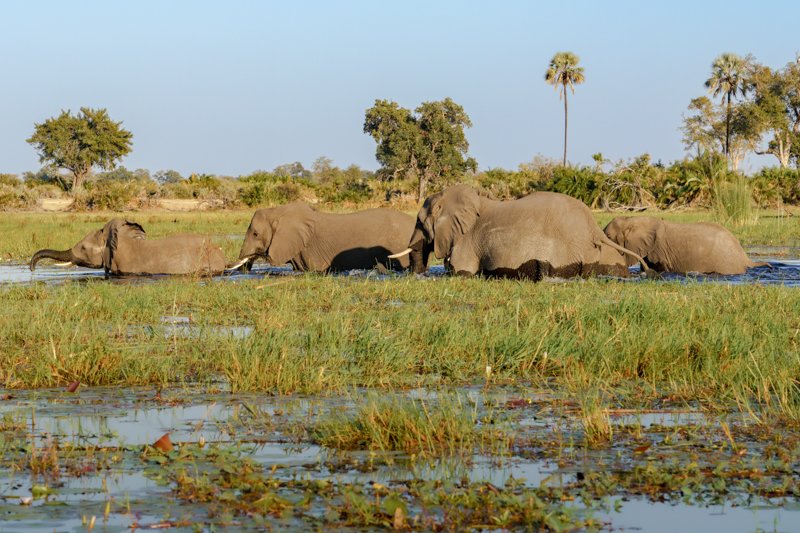
Further north, Chobe National Park is known for its large elephant population and river-based wildlife viewing. A Chobe River boat cruise gives you a different perspective, with animals gathering along the water, especially in the late afternoon.
Gaborone, the capital, is often just a starting point, but it does give a different view of the country beyond safari. Experiences like a Manyana village visit from Gaborone offer insight into local culture and daily life, which you don’t always see when staying in lodges or national parks.
Botswana takes a more low-impact approach to tourism, which means fewer crowds and a more exclusive feel in many areas. It’s not the cheapest destination, but it’s one of the most rewarding if you’re looking for something quieter, more remote, and focused on the experience rather than ticking off sights.
It suits travellers who want wildlife, but without the intensity or crowds of some other safari destinations. The pace is slower, the landscapes are open, and the moments tend to feel a bit more personal.
Jump to: Guide • Weather • Culture • Things to Do • Safari • Africa Guides
Weather & Best Time to Visit Botswana
Botswana has a dry, subtropical climate, with distinct wet and dry seasons that shape the way you experience the country. Unlike coastal destinations, the weather here is more about wildlife patterns and water levels than temperature alone.
The best time to visit is during the dry winter months from May to October. This is when wildlife viewing is at its best, as animals gather around rivers and waterholes, particularly in areas like the Okavango Delta and Chobe National Park. Days are usually warm and clear, while early mornings and evenings can be quite cool, especially on game drives.
The green season runs from November to April, bringing higher temperatures, humidity, and afternoon storms. While wildlife can be a little harder to spot, the landscapes are greener, birdlife is at its peak, and there are generally fewer tourists. It’s a different experience, but still a rewarding one depending on what you’re looking for.
Water levels in the Okavango Delta also play a big role. Interestingly, peak flood levels usually arrive between June and August, despite little local rainfall, as water flows down from Angola. This is when mokoro trips and water-based safaris are at their best.
Temperatures can vary throughout the day, so packing layers is still important, particularly if you’re heading out early or staying in more remote areas.
| Season | Spring 🌸 (Sep – Nov) | Summer ☀️ (Dec – Feb) | Autumn 🍂 (Mar – May) | Winter ❄️ (Jun – Aug) |
|---|---|---|---|---|
| Weather | Hot (20–35°C) Dry, building heat |
Very hot (25–40°C) Rain & storms |
Warm (18–30°C) Drying out |
Cool (5–25°C) Dry, clear skies |
| Crowds | Moderate | Low | Moderate | Peak safari season |
| Prices | 💰💰 | 💰 | 💰💰 | 💰💰💰 |
| Best For | Good wildlife fewer crowds shoulder season |
Green landscapes birdlife fewer tourists |
Balanced conditions comfortable travel shoulder season |
Best wildlife viewing Okavango Delta flood Chobe safaris |
Practical Tips for Visiting Botswana
Most trips to Botswana are built around a few key regions rather than moving quickly between lots of places. The Okavango Delta and Chobe National Park are the main highlights, and it’s usually worth focusing on a couple of areas rather than trying to fit everything in.
Getting around takes more planning than you might expect. Distances are large, and many of the best safari areas are remote. A lot of travel is done by small aircraft or organised transfers between lodges, which is part of the experience but something to factor into your budget and timing.
Self-driving is possible in some areas, but it’s not as straightforward as places like Namibia. Road conditions, navigation, and access to national parks can be more challenging, so guided trips or pre-planned routes are often the easier option.
Costs are higher than many other African destinations, particularly for safari lodges and internal flights. It’s worth planning ahead and booking early, especially during peak season from June to August when demand is highest.
Respect for local culture and communities is important. Taking the time to support local guides, choose locally run experiences, and understand a bit of the history adds a lot to the overall experience.
| Quick Facts | |
|---|---|
| Capital | Gaborone |
| Currency | Botswana Pula (BWP). Cards are accepted in lodges and cities, but cash is useful in smaller towns and local areas. |
| Language | English and Setswana are widely spoken. Setswana is central to everyday life and culture. |
| Getting Around | Travel is usually by small aircraft, 4WD transfers, or organised tours between lodges. Distances are large and routes require planning. |
| Power Plugs | Type D, G, and M plugs. A universal adapter is recommended. |
| Best Time to Visit | May to October for the best wildlife viewing and dry conditions. June to August is peak season. |
| Culture Tip | Respect for community and tradition is important. Supporting local guides and experiences adds a lot to your trip. |
| Good to Know | Botswana focuses on low-impact, high-quality tourism. Experiences feel more remote and less crowded, but come at a higher cost. |
| Safari Planning |
Safari trips are often best booked through specialists who can organise lodges, flights, and transfers. Browse Botswana safari options with Go2Africa |
| Average Cost |
$400–$1500+ AUD per night for safari lodges, depending on location and level of luxury. Internal flights and transfers add to the overall cost. Costs vary significantly based on season and how remote your stay is. |
Things to Do in Botswana
Botswana is built around a few standout experiences rather than a long list of sights. Most trips centre around wildlife, water, and time out in the landscapes, with each area offering something a little different.
The Okavango Delta is the highlight. It’s one of the most unique places in Africa, with channels, islands, and open floodplains that completely change the feel of a safari. You can explore it in different ways depending on how much time you have, from guided day trips to multi-day stays. If you’re looking at options, you can browse Okavango Delta experiences here, or look at more tailored itineraries through Go2Africa.
Maun is where most trips start. It’s the main access point for the Delta, with scenic flights, day trips, and overnight stays heading out from here. If you’re planning your route, it’s worth having a look at what’s available in Maun before you go.
Chobe National Park is another key stop, known for its elephant population and river safaris. Late afternoon along the water is usually when things pick up, with wildlife gathering along the riverbanks.
Gaborone gives a different view of the country. It’s more about everyday life and local culture than wildlife. You can explore a few options in Gaborone here if you’re spending time there.
I might be a bit biased as my mum was born in Molepolole, but this Molepolole village experience from Gaborone is high on my list. It’s a chance to spend time in a traditional village on the edge of the Kalahari, meet locals from the Bakwena tribe, and learn more about everyday life, culture, and history in a way that feels personal rather than staged. Experiences like this give a completely different perspective to safari lodges, especially when you’re looking to understand more about the country beyond wildlife.
It’s the kind of place where you don’t need to do everything. A few well-planned experiences across different areas gives you a much better feel for Botswana.
Botswana Travel Guide: Culture, History and What to Expect
Botswana has a strong cultural identity shaped by community, tradition, and a long history that goes well beyond colonial borders. The country is home to the Tswana people, with Setswana language and customs forming the foundation of everyday life. While English is widely used, Setswana is spoken across the country and plays a big role in how people connect, communicate, and share traditions.
Before colonial influence, the region was made up of organised Tswana chiefdoms, with structured communities, leadership systems, and trade routes across southern Africa. During the late 1800s, the area became the British Protectorate of Bechuanaland, largely to prevent expansion from neighbouring colonial powers. Botswana gained independence peacefully in 1966, and has since built a reputation as one of Africa’s most stable and well-governed countries.
Like much of the continent, modern borders don’t reflect traditional tribal lands. They were drawn during colonial times, and that legacy is still something people live with today. There’s now a much stronger focus on recognising local history, respecting culture, and supporting local communities in a way that feels meaningful.
As I mentioned earlier, my mum was born in Molepolole, and Botswana has always been a place I’ve felt connected to. My grandfather worked as a police officer during the British Protectorate period, and my grandmother’s family had been in southern Africa for generations before settling in Botswana after apartheid. They later moved to Australia when my mum was young.
Growing up, I was taught about that history early. My grandparents didn’t support what was happening at the time. They were openly against it, and it was something that genuinely affected them. They treated people with respect, which unfortunately wasn’t always well received by others around them. It’s something that stayed with me, and shaped how I see and write about places like Botswana.
What stands out most is the people. There’s a strong sense of community, respect, and pride in culture that comes through in everyday interactions. Whether you’re in a village, a town, or travelling through more remote areas, there’s a warmth that feels genuine rather than forced.
Culture here is not something separate from daily life. It shows up in language, food, music, and traditions that are still very much part of how people live. Taking the time to understand that, even in small ways, adds a lot to the experience.
Supporting local guides, choosing locally run experiences, and learning a bit about the history along the way makes your trip feel more connected to the place rather than just passing through it. It’s something I always keep in mind when planning trips like this.
Before You Go
Sorting a few basics before you travel makes a big difference once you arrive. Having mobile data ready to go and travel insurance in place is one of those things you don’t think about until you need it.
Africa Guides
Okavango Delta Safaris
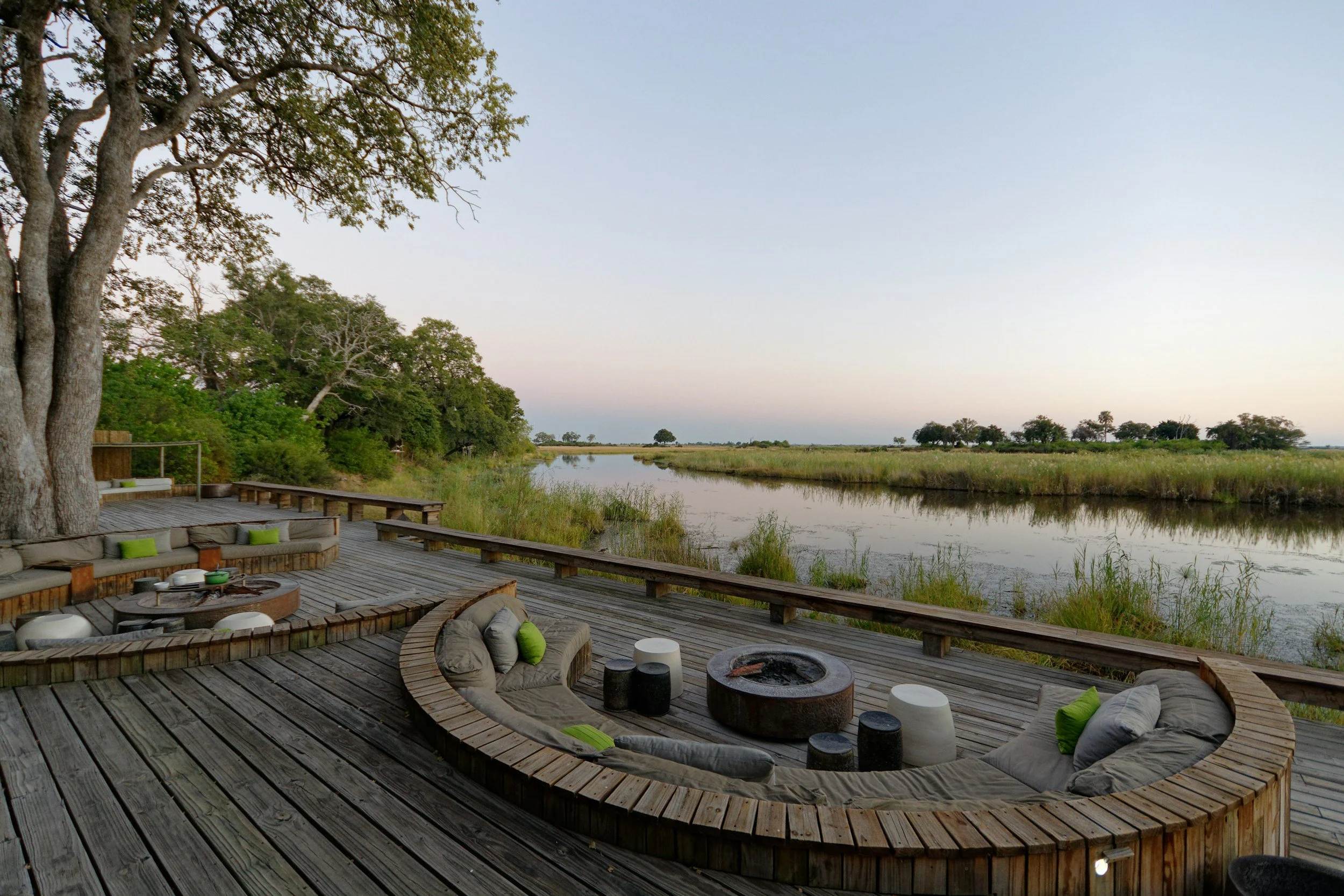
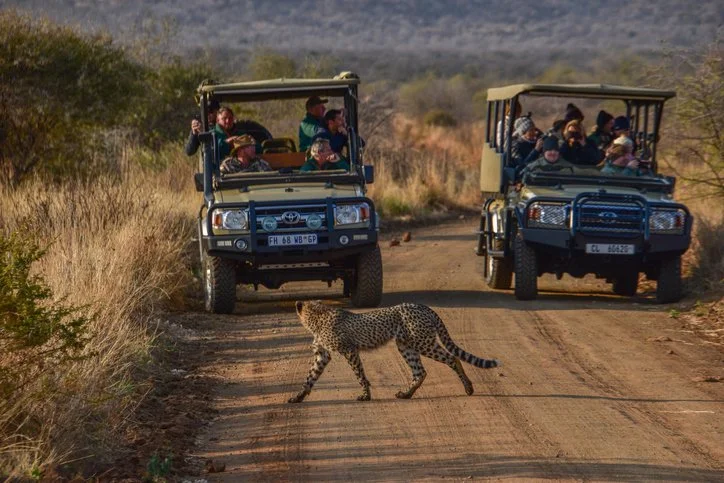
Safaris in Botswana centre around the Okavango Delta, and the experience feels a bit more immersive than many other parts of Africa. Wildlife moves through a mix of water channels, islands, and open floodplains, which changes how you explore and what you see.
The Delta is one of the most unique safari regions in the world. Water flows down from Angola and spreads across the landscape, creating seasonal wetlands that attract elephants, hippos, big cats, and a huge range of birdlife. You can explore by 4WD, boat, or mokoro, which gives a completely different perspective compared to traditional game drives.
Chobe National Park is often combined with the Delta and is known for its large elephant population and river safaris. Time on the water, especially in the late afternoon, is usually when you’ll see the most activity.
Planning a Botswana safari takes a bit of thought, as distances, access, and accommodation all shape how your trip comes together. If you’re comparing destinations, it’s worth also looking at Namibia for a more landscape-focused trip, or exploring other options across your Africa guides.
If you want something well planned without needing to manage all the logistics, it’s worth using a specialist like Go2Africa. They handle lodges, transfers, and routing, which makes a big difference in places like the Delta where access is more remote.
Botswana is generally less suited to self-drive safaris compared to countries like Namibia. Many of the best areas are only accessible by small aircraft or guided transfers, which adds to the experience but does mean a bit more planning upfront.