NAMIBIA
Namibia Travel Guide: Landscapes, Culture and What to Expect
Nambia is shaped by vast open landscapes rather than busy cities or dense wildlife parks. The experience here is less about ticking off sightings and more about the scale of the country, the light, and how everything feels a little more remote.
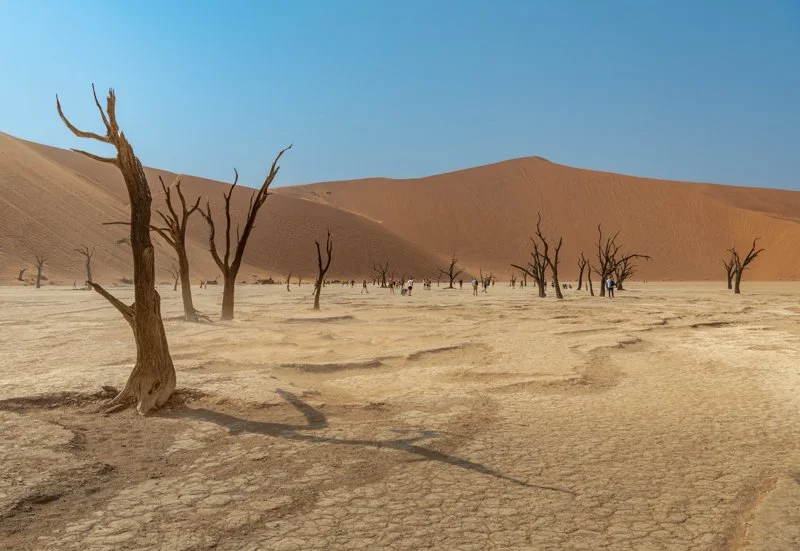
The landscapes are what define Namibia. From the towering red dunes of Sossusvlei to the rugged coastline and desert meeting the ocean, it’s one of the most visually unique places in Africa. Areas like Swakopmund add a completely different feel again, where you can head out into the dunes for something like a Little Five desert wildlife experience, which gives you a different perspective on the smaller, often overlooked species that survive in these conditions.
Windhoek, the capital, is usually where most trips start or end. It’s small, easy to navigate, and a good introduction to the country before heading out into more remote regions. If you have time, a city and township tour in Windhoek gives a bit more context around the culture, history, and daily life.
Namibia also has a unique cultural mix, influenced by German colonial history, African traditions, and modern development. You’ll notice it in the architecture, the food, and even the place names, particularly in towns like Swakopmund where the European influence is still very visible.
It’s not as fast-paced or as wildlife-dense as places like Kenya or South Africa, but that’s part of the appeal. Namibia suits travellers who want something a little different, with more space, fewer crowds, and a focus on landscapes as much as wildlife.
Jump to: Guide • Weather • Culture • Things to Do • Safari • Africa Guides
Weather & Best Time to Visit Namibia
Namibia has a dry, desert climate, which makes it one of the most reliable safari destinations in terms of weather. You can expect clear skies, low humidity, and very little rainfall for most of the year, especially compared to other parts of Africa.
The best time to visit is during the dry winter months from May to October, when temperatures are cooler and wildlife is easier to spot as animals gather around water sources. Early mornings can be cold, particularly on game drives, but the days are usually sunny and comfortable.
Summer, from November to April, brings higher temperatures and occasional rain, mainly in the north. While it can be hotter and a bit less predictable, this time of year also brings greener landscapes and fewer tourists, which some travellers prefer.
Temperatures can shift a lot between day and night, especially in desert regions, so it’s worth packing layers regardless of when you visit.
| Season | Spring 🌸 (Sep – Nov) | Summer ☀️ (Dec – Feb) | Autumn 🍂 (Mar – May) | Winter ❄️ (Jun – Aug) |
|---|---|---|---|---|
| Weather | Warming (15–30°C) Dry, building heat |
Hot (25–40°C) Rain in north |
Mild (15–30°C) Settled, dry |
Cool (5–25°C) Dry, clear skies |
| Crowds | Moderate | Low–Moderate | Moderate | Peak safari season |
| Prices | 💰💰 | 💰 | 💰💰 | 💰💰💰 |
| Best For | Good wildlife fewer crowds shoulder season |
Green landscapes photography birdlife |
Balanced conditions road trips comfortable travel |
Best wildlife viewing Etosha safari clear conditions |
Things to Do in Namibia
Namibia isn’t the kind of place where you tick off a checklist. It’s more about the scale of it, the landscapes, and the experiences you build into your trip along the way.
One of the most iconic things to do is heading out to Sossusvlei, where the red sand dunes feel almost unreal in person. If you’re short on time or want something easy to organise, this Sossusvlei day trip is a good way to see it properly without overcomplicating your route.
Along the coast, Swakopmund and Walvis Bay offer a completely different side of Namibia. You’ve got ocean, desert, and wildlife all in one place. Driving through the dunes to Sandwich Harbour is one of those experiences that looks exactly like the photos, especially on something like this 4x4 Sandwich Harbour tour. Out on the water, you can also spot dolphins, seals, and even whales on a marine Big 5 catamaran cruise.
Further inland, Etosha National Park is one of the main safari highlights. It’s a completely different feel to places like Kruger or the Serengeti, with salt pans and wide open space, but still incredible for wildlife. If you want something structured, this 5-day Etosha safari gives you that full experience without needing to plan every detail yourself.
For something more unique, heading into Damaraland to see desert-adapted elephants is a completely different kind of wildlife experience. It’s less about big numbers and more about understanding how animals survive in these environments, especially on tours like this Damaraland elephant experience.
And in Windhoek, taking the time to understand more about the country beyond just the landscapes is worth it. A Katutura township and city walking tour adds context to everything you’ll see across the rest of your trip.
It’s not about doing everything, but choosing a mix of landscapes, wildlife, and cultural experiences that give you a proper feel for the country.
Culture, People and Identity in Namibia
Namibia is one of those places that stands out when you start researching Africa properly. It’s vast, sparsely populated, and shaped as much by its landscapes as it is by its history. Before going, it’s worth taking a bit of time to understand more about the country beyond just the highlights.
A good place to start is this documentary: Namibia: A Country Divided. It gives context to parts of Namibia that aren’t always talked about, particularly around land ownership, inequality, and how the country’s history still shapes everyday life.
Like much of Africa, Namibia’s borders and systems were shaped during colonial periods, not by the people themselves. Under German rule in the early 1900s, the Herero and Nama people were subjected to what is now recognised as one of the first genocides of the 20th century. That history still sits beneath the surface today, particularly when it comes to land ownership and inequality.
Namibia has one of the highest levels of income inequality in the world, with a large portion of land still concentrated in relatively few hands. At the same time, many local communities continue to live across remote areas, often closely connected to the land and environment.
English is the official language, which makes travel straightforward, but you’ll also hear Afrikaans, German, and a range of indigenous languages. Cultural identity is diverse, with groups like the Himba, Herero, and San communities all contributing to Namibia’s character in different ways.
Windhoek, the capital, is usually the starting point, but it’s once you leave the city that Namibia really opens up. The country isn’t densely populated, which is why the landscapes feel so expansive. From the red dunes of Sossusvlei to Etosha National Park and the Skeleton Coast, the environment varies in a way that’s hard to compare to anywhere else.
Most of Namibia’s natural resources, including diamonds and mining industries, are heavily influenced by foreign ownership, and that’s another layer worth understanding when you’re travelling through the country.
At the same time, Namibia is known for its wildlife and conservation efforts, including one of the largest populations of free-roaming black rhinos. But even that comes with challenges, from poaching to environmental pressures like desertification.
It’s also one of those places that really stands out once you start looking into it. The scale, the colours, and how remote it feels are a big part of the appeal. It’s been on my list for a while now, especially after seeing more of it pop up through things like GeoGuessr, and it’s easy to see why people are drawn to it.
As with anywhere you travel, it’s worth thinking about where your money goes. Supporting local businesses, guides, and communities makes a real difference, especially in places where tourism plays an important role.
If you’re able to, it’s also worth considering giving back in some way. That could be through conservation, community support, or organisations working on the ground. Even small contributions can go a long way.
A few organisations working in Namibia include the Oceans Conservation Namibia, the Cheetah Conservation Fund, World Food Programme Namibia, the Food and Agriculture Organization (FAO), and UN Women Namibia.
You don’t need to do everything, but being aware of it and making small choices where you can adds something positive to your trip.
Africa Guides
Namibian Safaris
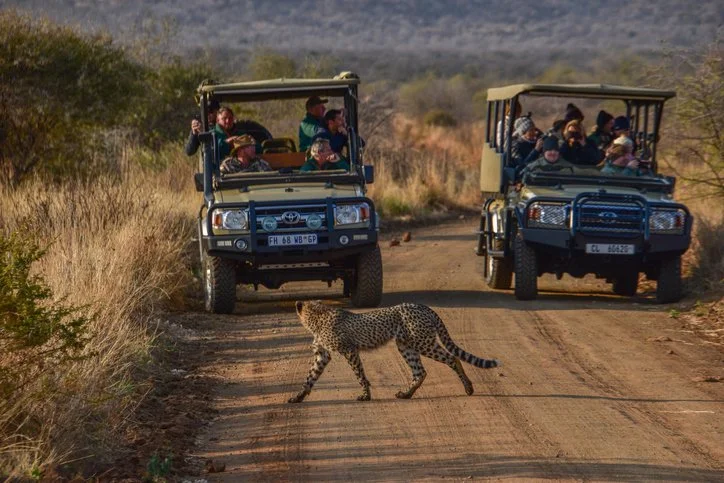
Safaris in Namibia feel different to the classic East Africa experience. It’s less about huge wildlife density and more about the landscapes, open space, and how everything fits into the environment. You’ll still see incredible wildlife, but it’s often spread out, which makes sightings feel more natural and less crowded.
Etosha National Park is the main safari region, known for its salt pans and waterholes where animals gather, especially in the dry season. It’s one of the best places in southern Africa to see wildlife in a completely different setting.
Because of the distances between regions, planning a Namibia safari takes a bit more effort than you might expect. Routes, timing, and where you stay all make a big difference to how the trip flows. If you’re still comparing destinations, it’s worth also checking out Botswana or reading through your broader Africa safari guide to get a feel for what suits your trip best.
If you want something well planned without having to manage all the logistics, it’s worth using a specialist like Go2Africa. They handle lodges, transfers, and routing, which is especially helpful in a country where everything is so spread out.
Namibia is also one of the better places for a self-drive safari if you’re confident planning it yourself. Roads are generally good, and it gives you a lot of flexibility, but it does require a bit more prep to get right.