EGYPT
Egypt Travel Guide: History, Landscapes and What to Expect
Egypt is somewhere you take a bit of time to understand before you go. The history is layered, the scale is huge, and how you experience it depends a lot on how you plan your trip.
Cairo is where most people begin, and the pyramids are something you want to do properly. Having context helps, especially at sites this old. If you want something organised and easy to follow, this Cairo Grand Egyptian Museum, Pyramids & Sphinx tour is a solid option.
If you’re staying in Hurghada, you don’t need to miss Cairo. A lot of people book something like this Hurghada to Cairo pyramids and museum tour to fit it in without reworking their whole trip.
Travelling along the Nile between Luxor and Aswan is one of the best ways to see more of the country. It’s slower, more scenic, and you cover a lot without jumping between places. This 4-day Nile cruise with Abu Simbel is a good example of how people usually do it.
If you want something quieter, heading into the desert changes the pace completely. Places like the Bahariya Oasis feel more remote and give you a different side of Egypt. This 2-day Bahariya Oasis and desert trip is an easy way to experience it.
Along the Red Sea, places like Sharm El Sheikh are more about being outdoors. A lot of people do something like this sunset ATV desert safari to get out into the landscape.
Egypt works best when you combine a few of these experiences so you’re not just seeing one side of it.
Jump to: Guide • Weather • Culture • Things to Do • Safari • Africa Guides
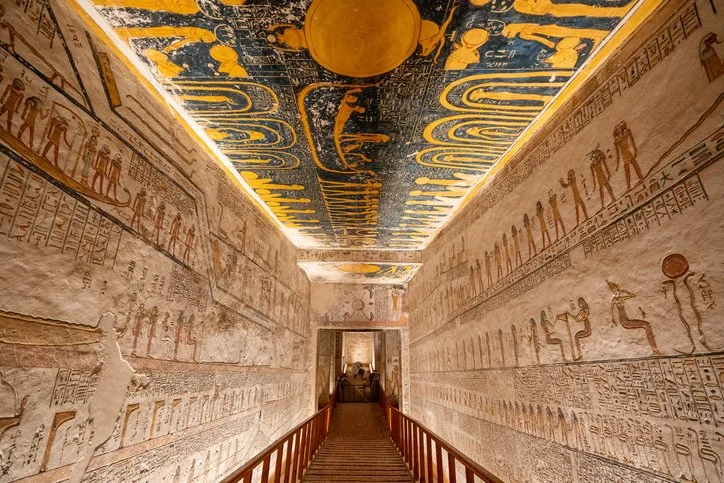
Weather & Best Time to Visit Egypt
Egypt has a dry, desert climate, so most of the year is warm, sunny, and predictable. Rain is rare, especially around Cairo and further south, which makes it an easy destination to plan around.
The best time to visit is from October to April, when temperatures are more comfortable for sightseeing. Exploring places like the pyramids, temples, and markets is much easier without the intense summer heat, especially in cities like Cairo and Luxor.
Summer, from May to September, gets very hot, particularly in Upper Egypt around Luxor and Aswan where temperatures can push well above 40°C. It’s still possible to travel during this time, but most people plan activities early in the morning or later in the afternoon to avoid the peak heat.
Coastal areas like Hurghada and Sharm El Sheikh are a bit more manageable year-round thanks to the sea breeze, which is why they’re popular during summer.
Temperatures can drop slightly in the evenings during winter, especially in desert areas, so it’s still worth packing a light layer.
| Season | Spring 🌸 (Mar – May) | Summer ☀️ (Jun – Aug) | Autumn 🍂 (Sep – Nov) | Winter ❄️ (Dec – Feb) |
|---|---|---|---|---|
| Weather | Warm (20–35°C) Dry, some wind (Khamsin) |
Very hot (30–45°C) Dry, intense heat |
Warm (20–35°C) Settled, comfortable |
Mild (10–25°C) Cooler evenings |
| Crowds | Moderate | Low | Moderate–High | Peak season |
| Prices | 💰💰 | 💰 | 💰💰 | 💰💰💰 |
| Best For | Sightseeing shoulder season fewer crowds |
Red Sea resorts diving & snorkelling lower prices |
Balanced weather full itineraries comfortable travel |
Pyramids & temples Nile cruises ideal conditions |
Practical Tips For Visiting Egypt
Egypt is easy enough to travel once you understand how it works, but a bit of planning goes a long way here. Distances between places like Cairo, Luxor, Aswan, and the Red Sea are bigger than they look, so most itineraries rely on a mix of flights, private transfers, or organised tours to make it all fit together properly.
Start your days early, especially in warmer months. The heat builds quickly, and most major sites like the pyramids and temples are far more enjoyable in the morning. It also helps you avoid peak crowds.
Cash is still important. While hotels and larger venues take card, you’ll use Egyptian pounds for tips, small purchases, and local spots. Tipping is part of daily life in Egypt, so it’s worth carrying small notes.
Dress is generally relaxed in tourist areas, but modest clothing is appreciated, especially when visiting mosques or more local areas. Light, breathable layers work best, and something for the sun is essential.
Traffic in Cairo can be hectic, and things don’t always run exactly to time. Build a bit of flexibility into your plans and avoid trying to fit too much into one day.
If you’d rather not manage all the logistics yourself, booking tours or multi-day itineraries makes things a lot smoother. Egypt is one of those places where having things organised can really improve the overall experience.
| Quick Facts | |
|---|---|
| Capital | Cairo |
| Currency | Egyptian Pound (EGP). Cash is still widely used, especially in markets, smaller shops, and for tips. Cards are accepted in hotels and larger restaurants. |
| Language | Arabic is the official language. English is commonly spoken in tourist areas, hotels, and by guides. |
| Getting Around | Domestic flights, private drivers, and organised tours are the easiest ways to get around. Distances between Cairo, Luxor, Aswan, and the Red Sea can be long. |
| Power Plugs | Type C and F plugs (European style). You’ll need an adapter if travelling from Australia. |
| Best Time to Visit | October to April for cooler weather and easier sightseeing. Summer (June–August) is very hot, especially in Luxor and Aswan. |
| Culture Tip | Egypt is generally conservative. Dress modestly in cities, mosques, and rural areas. Respect local customs, especially during religious periods like Ramadan. |
| Good to Know | Tipping (baksheesh) is common across Egypt. Expect to tip guides, drivers, and service staff. Carry small cash for this. |
| Top Highlights | Pyramids of Giza, Sphinx, Nile River cruises, Luxor temples, Aswan, Abu Simbel, Red Sea resorts (Hurghada & Sharm El Sheikh). |
| Average Hotel Price |
AUD $80–$350+ per night depending on location and standard. Luxury Nile stays and Red Sea resorts can be higher. Check Egypt hotel deals here |
Things to Do in Egypt
Egypt has a lot to see, so it’s worth thinking about how you want to structure your time rather than trying to fit everything in. Most trips combine Cairo, the Nile, and either the desert or Red Sea, which gives you a good balance of history and something a bit different.
In Cairo, the pyramids are the main focus, and it’s something you want to do properly. Having a guide helps bring it all together, especially at sites with this much history. Options like this pyramids, Sphinx and Grand Egyptian Museum tour are a good way to cover the main highlights without overthinking it.
If you’re based along the Red Sea in places like Hurghada, you can still get up to Cairo fairly easily. A Hurghada to Cairo day trip is one of the more common ways people fit it in.
Travelling along the Nile between Luxor and Aswan is where you start to see more of Egypt beyond the main city. It’s a slower way to move through the country and you cover a lot without needing to organise each stop yourself. A multi-day Nile cruise is one of the easiest ways to do this.
If you want something a bit different, heading into the desert changes the pace completely. Places like the Bahariya Oasis feel quieter and more remote, and give you a different perspective of the country. This desert and oasis trip is a simple way to experience that without too much planning.
On the Red Sea side, destinations like Sharm El Sheikh are more about being outdoors and enjoying the landscape. A sunset ATV desert safari is a good example of something easy to add in alongside beach time.
It’s not about doing everything. Picking a few key experiences and giving yourself time to actually enjoy them will make the trip feel a lot better.
Culture, People and Identity in Egypt
Egypt is one of the most historically significant countries in the world, and it’s worth taking a bit of time to understand that before you go. This isn’t just a destination with a few landmarks, it’s where one of the earliest civilisations developed, and a lot of what you see today connects back thousands of years.
Ancient Egypt dates back over 5,000 years, with a long timeline of pharaohs, dynasties, and major developments in architecture, religion, and society. The pyramids of Giza, built around 2500 BC, are still one of the most recognisable structures on the planet, and they’ve been standing there long before most of the world looked the way it does today.
That history runs right through the country. From temples in Luxor to museums and sites across Cairo, you’re constantly seeing pieces of a much bigger timeline. It’s not something you fully take in on the surface, which is why doing a bit of research beforehand helps you get more out of it.
Modern Egypt sits at a cultural crossroads. Geographically it’s in Africa, but culturally it also connects strongly with the Middle East. You’ll notice that mix in the language, religion, food, and day-to-day life. Arabic is the official language, Islam is the main religion, and family, community, and tradition play a big role in how society works.
At the same time, Egypt has its own distinct identity. Cities like Cairo are busy, layered, and full of contrast, while places along the Nile or out in the desert feel completely different. Coastal areas along the Red Sea bring another side again, with a more relaxed pace and a focus on the water.
Egypt’s history also includes periods of foreign rule, from the Greeks and Romans through to the Ottoman Empire and later British influence. Like many countries in this region, parts of its modern structure were shaped during those periods, not always by the people themselves. You’ll still see traces of that today in different ways.
People are generally warm, proud of their history, and used to tourism. You’ll find that locals often want to share stories, offer help, or point you in the right direction, especially once you move beyond the busiest areas.
As with anywhere you travel, it’s worth thinking about where your money goes. Supporting local guides, small businesses, and locally run experiences makes a difference, especially in places where tourism is a big part of the economy.
Egypt has a lot more depth than just the main sites. Taking the time to understand a bit of the history and culture before you go makes the whole experience feel a lot more meaningful.
Africa Guides


The Pyramids of Giza
If there’s one thing you don’t want to rush in Egypt, it’s the pyramids. They’re bigger than you expect, older than you expect, and a lot more complex once you start understanding what you’re actually looking at.
It’s worth doing this properly rather than just turning up and walking around. Having some context makes a huge difference, especially when it comes to how they were built and what each structure represents. You can combine it with the new museum on something like this pyramids, Sphinx and Grand Egyptian Museum tour, which gives a much better overall picture of Ancient Egypt.
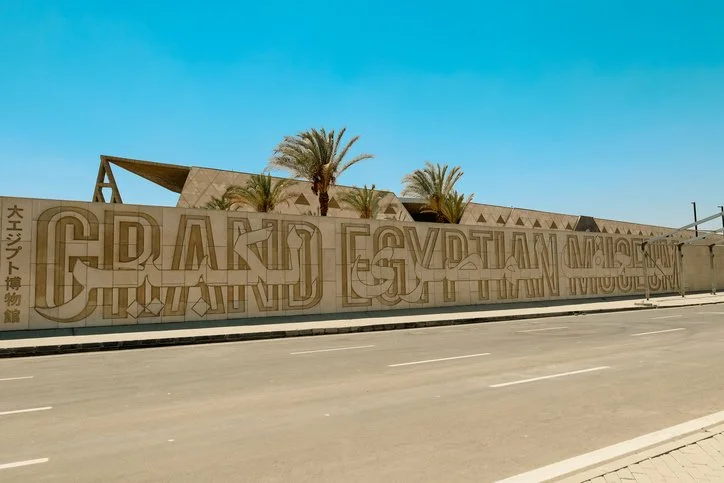
The Grand Egyptian Museum itself is worth setting time aside for. It’s one of the newest major additions to Cairo and adds a lot of context to everything you’ll see at the pyramids. Pre-booking tickets is a good idea, especially in peak periods.
If you’d rather focus just on the pyramids and surrounding area, something like this pyramids and Sphinx private tour keeps it simple and gives you a bit more flexibility with timing.
Once you’ve done Cairo, a lot of people also add on a trip to Alexandria to see a different side of Egypt’s history. This Alexandria day trip from Cairo is an easy way to do it without needing to organise transport yourself.
Give yourself time here. It’s one of those places where slowing down and understanding what you’re seeing makes the experience a lot better.