CANADA
Canada Travel Guide: Cities, Landscapes and What to Expect
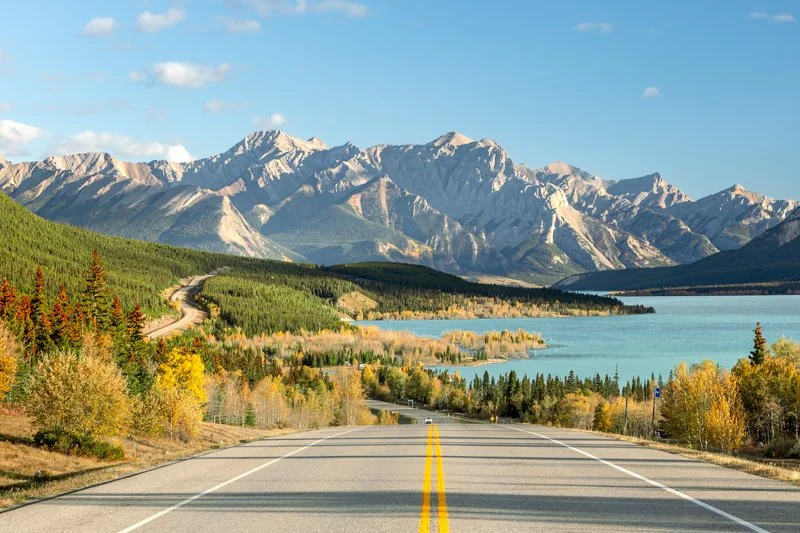
Canada is one of those places where the landscapes are just as much the highlight as the cities. Think huge mountain ranges, lakes that look unreal in photos, and wide open spaces that feel completely different to anywhere else.
Some trips focus on cities like Toronto, Vancouver, and Montreal, while others are all about nature. Places like Banff, Jasper, and the Canadian Rockies are a big part of what makes Canada so popular, especially if you’re into scenic drives, hiking, or just being outdoors. On the east coast, Nova Scotia offers something completely different, with coastal scenery, small towns, and a slower pace.
Road trips are a big part of travelling here. Distances can be long, but the drives are often part of the experience, especially through the Rockies or along coastal routes.
It’s generally easy to travel, with good infrastructure, domestic flights, and organised tours if you don’t want to plan everything yourself. If you’re starting to map out your trip, you can check flights to Canada here to get an idea of routes and pricing.
Canada suits travellers who want a mix of nature and cities, with the flexibility to slow things down and take in the scenery along the way.
Jump to: Guide • Weather & Bes Time To Visit • Practical Tips • Things to Do • Travel Guides • Regions • New York • Los Angeles • Las Vegas • San Francisco • Miami • Atlanta • Colorado • Seattle • National Parks • Grand Canyon • Yosemite • Yellowstone • Zion • Top Tours
Weather & Best Time to Visit Canada
Canada has a wide range of climates, and the best time to visit really depends on where you’re going. You’ve got everything from snowy mountains and freezing winters to mild coastal cities and warm summer conditions.
For most trips, late spring to early autumn is the easiest time to travel. This is when the weather is milder, national parks are fully accessible, and road trips are at their best. Summer is peak season, especially in places like the Canadian Rockies, with long days and ideal conditions for hiking and exploring.
Winter is a completely different experience. It’s cold, often very cold, but perfect if you’re heading to ski destinations or want that classic snowy landscape. Cities still run as normal, but temperatures can drop well below what most travellers are used to.
If your trip covers more than one region, it’s worth checking each stop separately. Conditions can vary a lot between provinces, especially between the west coast, mountains, and eastern cities.
| Season | Spring 🌸 (Mar – May) | Summer ☀️ (Jun – Aug) | Autumn 🍂 (Sep – Nov) | Winter ❄️ (Dec – Feb) |
|---|---|---|---|---|
| Weather | Cool (0–15°C) Snow melting, mixed conditions |
Warm (20–30°C) Best overall conditions |
Cool (5–20°C) Crisp, clear days |
Cold (−20–0°C) Snowy, especially inland |
| Crowds | Low to moderate | High (peak season) | Moderate | Low (except ski resorts) |
| Prices | 💰💰 | 💰💰💰 | 💰💰 | 💰–💰💰💰 |
| Best For | Fewer crowds early hikes shoulder season |
Road trips national parks lakes & hiking |
Fall colours scenic drives photography |
Skiing & snow winter landscapes northern lights |
Practical Tips for Visiting Canada
Most trips to Canada are best planned around one or two regions. Distances are large, so it’s easier to focus on areas like the Rockies, west coast, or eastern cities rather than trying to do everything in one go.
Getting around is straightforward. Domestic flights are common, but road trips are a big part of the experience, especially through scenic areas. Costs can be higher in cities like Vancouver and Toronto, so booking ahead helps.
If you’re planning outdoor activities, it’s worth having travel insurance that covers activities.
For connectivity, I recommend using an Airalo eSIM, which is easy to set up and lets you earn rewards for future trips.
You can also book airport transfers here to make arrivals smoother.
Canada is easy to travel, people are friendly, and with a bit of planning, it all runs pretty smoothly.
| Quick Facts | |
|---|---|
| Capital | Ottawa |
| Currency | Canadian Dollar (CAD). Cards are widely accepted, but small cash can be useful in remote areas. |
| Language | English and French are official languages. French is dominant in Québec and commonly seen across the country. |
| Getting Around | Domestic flights and road trips are the most common. Public transport works well in major cities but is limited in rural areas. |
| Power Plugs | Type A and B plugs. Same as the USA, so a North America adapter is needed. |
| Best Time to Visit | June to September for the best overall conditions. Autumn is great for fall colours, while winter is ideal for snow and ski trips. |
| Culture Tip | Canada is shaped by a mix of cultures, including strong French influence and Indigenous communities. Respect for local culture, land, and traditions is important. |
| Good to Know | Canada is vast and includes everything from major cities to remote wilderness and Arctic regions. Conditions, costs, and experiences can vary a lot depending on where you go. |
| Trip Planning |
Canada is best planned by region rather than trying to see everything in one trip. Search flights to Canada |
| Average Cost |
$200–$500+ AUD per night for hotels, depending on city and season. Popular areas like Banff and Vancouver can be higher. Costs vary depending on location, season, and how remote your trip is. |
Canada Travel Guide: Culture, History and What to Expect
Canada’s identity is shaped by a mix of Indigenous heritage and European influence, particularly British and French. It’s not one single culture, it changes depending on where you are, from English-speaking cities to French regions like Québec, and more remote communities across the country.
Before colonisation, the land was home to diverse Indigenous peoples, including First Nations, Métis, and Inuit communities, with deep cultural connections to the land that continue today. European colonisation by the British and French led to the forced taking of land, displacement, and long-term harm to Indigenous communities. It’s an important part of Canada’s history and something that is now more openly acknowledged.
You’ll still see strong French influence in parts of Canada, especially in Québec, where language, food, and culture feel noticeably different. British influence shows up in systems, traditions, and aspects of daily life across the country.
Canada also includes vast northern and Arctic regions, home to Inuit communities who have lived there for generations. These areas are remote, culturally distinct, and shaped by the environment, and it’s important to approach them with respect and awareness.
Before You Go
Sorting a few basics before you travel makes a big difference once you arrive. Having mobile data ready and travel insurance in place is one of those things you don’t think about until you need it.
Travel Guides



Popular Canadian Regions
Toronto
Toronto is Canada’s largest city and one of the most diverse in the world. It’s fast-paced, multicultural, and packed with things to do, from skyline views and waterfront walks to sports, food, and neighbourhoods that all feel completely different.
It’s an easy city to explore, with a good mix of major attractions and casual experiences. You can spend time around the harbour, head up the CN Tower, or just walk through areas like Kensington Market and Distillery District.
If you’re into sports, catching a Toronto Blue Jays game at Rogers Centre is a really fun way to experience the city.
For something easy and indoor, the Ripley’s Aquarium of Canada is one of the most popular attractions, especially if the weather isn’t great.
You can also see the city from the water with a Toronto Harbour sightseeing cruise, which gives you a different perspective of the skyline.
Toronto works well as a starting point for a Canada trip, especially if you’re heading to Niagara Falls or exploring more of Ontario.
Vancouver
Vancouver is one of Canada’s most scenic cities, with mountains, ocean, and city skyline all in the one place. It feels modern and outdoorsy at the same time, which is a big part of why people love it.
It’s a great base if you want both city time and easy access to nature. You can spend the morning by the water, head through Stanley Park, and still be looking at snow-capped peaks by the afternoon.
If you want to see the city in a different light, this Vancouver private night tour is a good option. For something easy and fun, the FlyOver Canada experience is one of the city’s most popular attractions.
Vancouver also works really well for day trips. A Victoria and Butchart Gardens tour with Gulf Islands cruise is one of the easiest ways to see more of British Columbia without needing to organise it yourself.
If you like cities with good food, beautiful surroundings, and a slower, outdoorsy feel, Vancouver is a very easy place to love.
Vancouver Island
Vancouver Island offers a more relaxed, coastal side of Canada, with ocean views, forests, and small towns that feel a world away from the mainland. It’s known for its wildlife, scenery, and slower pace.
Victoria is the main hub, with a mix of historic buildings, waterfront walks, and easy day trips. From there, it’s about getting out into nature, whether that’s coastal drives, whale watching, or exploring quieter parts of the island.
A Victoria and Butchart Gardens tour with Gulf Islands cruise is one of the easiest ways to experience the island if you’re short on time.
Vancouver Island suits travellers who want coastal scenery, wildlife, and a quieter, more laid-back experience compared to bigger cities.
Ottawa
Ottawa is Canada’s capital, known for its historic buildings, museums, and a more relaxed, easy-to-explore feel compared to larger cities. It sits right on the border of Ontario and Québec, so you get a mix of both English and French influence.
The city is centred around Parliament Hill and the Rideau Canal, which changes completely depending on the season. In summer it’s scenic and walkable, and in winter it turns into one of the world’s largest skating rinks.
A guided Amphibus city tour is a fun way to see the highlights on both land and water.
For something a bit more unique, the Château Laurier guided tour gives you a look inside one of the city’s most iconic buildings.
You can also cover a lot in one go with an Ottawa one-day city tour, or head just outside the city with a Gatineau Park tour for more nature.
Ottawa suits travellers who want a mix of history, culture, and an easy pace without the crowds of bigger cities.
Montreal
Montreal feels completely different to the rest of Canada, with a strong French influence that comes through in the language, food, and overall atmosphere. It’s one of the most unique cities in North America, with a mix of European feel and modern city energy.
Neighbourhoods are a big part of the experience here. You’ve got Old Montreal with cobblestone streets, then areas like Chinatown and the Red Light District that feel completely different again. A guided Red Light District and Chinatown tour is a good way to get a feel for that contrast.
Food is a big highlight. From local markets to casual eats, it’s one of the best food cities in Canada. A Montreal street food tour with a local guide is an easy way to try a mix of it.
If you’re visiting in autumn, this Laurentian Mountains fall colours tour is one of the best ways to see the surrounding landscapes.
For something more relaxed, the Nordic spa thermal experience is popular year-round, especially in colder months.
You’ve also got a mix of unique indoor experiences like the Museum of Illusions, or something a bit more different like dining under the stars in Old Port.
Montreal suits travellers who want culture, food, and a slightly different feel to the rest of Canada, without losing the ease of getting around.
Banff
Banff is one of the most iconic places in Canada, set right in the heart of the Canadian Rockies. Think bright blue lakes, snow-capped peaks, and some of the best scenery you’ll find anywhere in the country.
It’s a base for exploring places like Lake Louise, Moraine Lake, and surrounding national parks, with plenty of options whether you want to hike, drive, or take guided tours.
A day trip to Lake Louise, Emerald, Peyto and Bow Lake is one of the easiest ways to see multiple highlights in one go.
If you want something a bit more comprehensive, this Banff, Lake Louise and Johnston Canyon tour covers a mix of lakes, walks, and key viewpoints.
Wildlife is also a big part of the experience here. A morning wildlife viewing tour from Banff or Canmore gives you the chance to spot animals like elk, deer, and bears in their natural environment.
Banff suits travellers who want big scenery without needing to go completely off-grid. It’s easy to get around, well set up for visitors, and one of the best places to experience the Canadian Rockies.
Jasper
Jasper feels more remote and less busy than Banff, but just as scenic. It’s part of the Canadian Rockies, with wide open landscapes, mountain views, and a quieter, more laid-back feel.
This is where you come if you want space, nature, and fewer crowds. The drive between Banff and Jasper along the Icefields Parkway is one of the best road trips in Canada, with glaciers, lakes, and viewpoints the whole way.
Jasper is also one of the best places in Canada for wildlife. It’s common to see elk, deer, and even bears, especially early in the morning or late in the day.
At night, it’s known as a Dark Sky Preserve, so stargazing here is next level if conditions are clear.
Jasper suits travellers who want the Rockies without the crowds, with more focus on nature, slower travel, and just taking it all in.
Canadian Rockies
The Canadian Rockies are one of the most scenic regions in the world, stretching across Alberta and British Columbia. This is where you’ll find glacier-fed lakes, dramatic mountain ranges, and some of the best road trip routes in Canada.
It’s not just one place, but a region that includes areas like Banff and Jasper, with endless options for hiking, viewpoints, and outdoor experiences. The scale here is what really stands out, everything feels bigger, quieter, and more untouched.
If you’re looking for something a bit different, this grizzly bear and nature walk sunset tour is a unique way to experience the landscape.
A day trip to Abraham Lake, Tangle Creek and Mistaya Canyon is another great option if you want to get off the main tourist route.
If you’re travelling solo, there are also more social options like this Canadian Rockies small group tour.
At night, the region really stands out. A stargazing and night adventure from Canmore is one of the best ways to experience the Rockies after dark.
The Canadian Rockies suit travellers who want big scenery, outdoor experiences, and the kind of landscapes that actually live up to the photos.
Nova Scotia
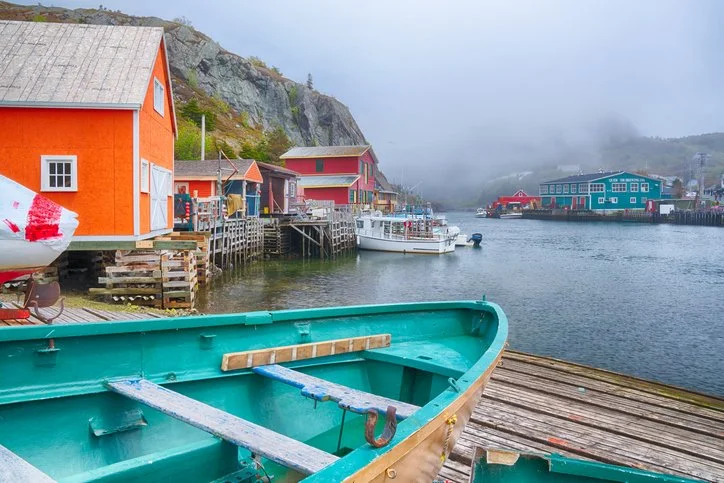
Nova Scotia offers a completely different side of Canada, with coastal scenery, small towns, and a slower, more relaxed pace. It’s known for its rugged shoreline, lighthouses, and seafood, with a strong maritime feel.
Road trips are the best way to explore here. Routes like the Cabot Trail are some of the most scenic in the country, with ocean views, cliffs, and quiet coastal villages along the way.
Halifax is usually the starting point, with a mix of history, waterfront dining, and easy access to nearby regions. From there, it’s about getting out and exploring the coastline.
This part of Canada feels less about ticking off big sights and more about the overall experience, the drives, the views, and the slower pace.
Nova Scotia suits travellers who want something a bit quieter, with coastal landscapes, fresh food, and a more laid-back way of travelling.
Québec City
Québec City feels completely different to the rest of Canada, with a strong French identity and a more European feel. It’s one of the oldest cities in North America, founded in 1608, and the historic Old Town is now a UNESCO World Heritage site.
This is where you come for cobblestone streets, historic buildings, and that “small European city” atmosphere without leaving Canada. The city is still surrounded by fortified walls, making it the only walled city north of Mexico.
Most people spend their time exploring Old Québec, walking along the river, and visiting places like Château Frontenac and Montmorency Falls, which are just outside the city and even taller than Niagara Falls.
A Québec City Old Town and Montmorency Falls tour is an easy way to see the main highlights without needing to organise transport.
Québec suits travellers who want history, culture, and something that feels a bit different to the rest of Canada, with a strong French influence and slower pace.
Ottawa
Ottawa is Canada’s capital, known for its historic buildings, museums, and a more relaxed, easy-to-explore feel compared to larger cities. It sits right on the border of Ontario and Québec, so you get a mix of both English and French influence.
The city is centred around Parliament Hill and the Rideau Canal, which changes completely depending on the season. In summer it’s scenic and walkable, and in winter it turns into one of the world’s largest skating rinks.
A guided Amphibus city tour is a fun way to see the highlights on both land and water.
For something a bit more unique, the Château Laurier guided tour gives you a look inside one of the city’s most iconic buildings.
You can also cover a lot in one go with an Ottawa one-day city tour, or head just outside the city with a Gatineau Park tour for more nature.
Ottawa suits travellers who want a mix of history, culture, and an easy pace without the crowds of bigger cities.
Yukon
The Yukon is one of the most remote and unique regions in Canada, sitting in the far northwest near Alaska. It’s all about big wilderness, Arctic conditions, and landscapes that feel completely untouched.
This is one of the best places in the world to see the Northern Lights, with peak viewing from late August through to April on clear, dark nights. :contentReference[oaicite:0]{index=0} Whitehorse is the main base, offering easy access to tours and some of the clearest skies thanks to low light pollution.
A Northern Lights viewing tour from Whitehorse is one of the most popular experiences here.
The region also has a strong gold rush history, which you can explore on a Klondike Gold Rush tour, or get closer to nature with a Yukon Wildlife Preserve guided tour.
The Yukon suits travellers who want something completely different, remote, wild, and focused on nature, with experiences you won’t get anywhere else in Canada.
Whistler
Whistler is one of Canada’s most famous mountain destinations, about two hours north of Vancouver. It’s known for being a year-round resort, with skiing and snowboarding in winter, and hiking, biking, and lakes in summer.
The village is pedestrian-friendly and easy to explore, with restaurants, shops, and that classic alpine feel right at the base of the mountains.
In winter, it’s one of the largest ski resorts in North America, and in summer the same mountains turn into trails and viewpoints, so it’s worth visiting no matter the season.
If you want to experience the wildlife side of the area, this morning bear viewing tour is a great option.
For something more active, the Whistler zipline experience is one of the most popular adrenaline activities.
If you’re coming from Vancouver, a Sea to Sky and Whistler day trip is an easy way to see the highlights along the way.
Whistler suits travellers who want mountains, activities, and a resort-style base that works in any season.