CHILE
Chile South America Guide
South America is one of the most underrated regions to travel, and Chile is one of its best examples. Stretching over 4,000km from north to south, Chile packs in some of the most diverse landscapes in the world, from the Atacama Desert (the driest desert on Earth) to the glaciers and mountains of Patagonia, plus vibrant coastal cities like Valparaíso, the capital Santiago, and remote places like Easter Island.This Chile travel guide covers the best places to visit, how to plan your route, and what to prioritise depending on how much time you have. You can build your trip around key regions like Atacama, Santiago, and Patagonia, add in internal flights to manage the distances, or mix in guided tours if you want an easier way to experience more remote areas.
Across Santiago, Valparaíso, San Pedro de Atacama, and Patagonia, the landscapes and experiences shift completely between each stop. You’ve got desert scenery, wine regions, colourful coastal hills, and some of the most dramatic national parks in South America, all in one country. If you’re short on time, tours and flights help you cover more without long travel days, while slower trips let you properly experience each region.
Use this guide to work out what’s actually worth your time, where to base yourself, and how to plan a Chile itinerary that feels straightforward, not overwhelming.
Jump to: Practical Tips • Weather & Best Time • Best Areas • Santiago • Atacama • Rapa Nui (Easter Island) • Patagonia • Travel Guides • Top Tours
Practical Tips for Visiting Chile
| Quick Facts | |
|---|---|
| Capital | Santiago |
| Currency | Chilean Peso (CLP). Cards are widely accepted in cities, hotels, and restaurants, but cash is still important in smaller towns, markets, and remote areas like Patagonia and Atacama. |
| Language | Spanish. English is spoken in hotels, tours, and tourist areas, but less common outside major destinations. |
| Getting Around | Chile is long and spread out, so flying is the most practical way to travel between regions like Santiago, Atacama, and Patagonia. Buses are reliable and comfortable for shorter distances. Driving is useful in places like the Lake District and Patagonia. |
| Power Plugs | Type C and L plugs (220V). |
| Best Time to Visit | October–April is the best overall period. Summer (December–February) is ideal for Patagonia, while spring and autumn offer fewer crowds and good weather in central regions like Santiago and Valparaíso. Atacama can be visited year-round. |
| Culture Tip | Chile is generally relaxed and safe, but things run a bit slower than Europe. Learn a few basic Spanish phrases, and expect regional differences between the north, central cities, and southern Patagonia. |
| Good to Know | Distances are much bigger than they look on a map. It’s not realistic to see everything in one trip, so focus on 1–2 key regions. Also, Patagonia weather changes quickly, so always plan with flexibility. |
| Average Hotel Price |
$120–$400 AUD per night depending on location and season. Patagonia and remote areas tend to be more expensive due to limited accommodation. Check hotel deals across Chile |
Weather and Best Time to Visit Chile
Chile is long - like really long - and that changes how you plan your trip. The north (Atacama Desert) is dry, high-altitude, and can be hot during the day, while the south (Patagonia) is much colder, windier, and sits much closer to Antarctica. You can’t rely on one “best time” for the whole country.The easiest way to plan Chile is to break it into regions:
- North (Atacama Desert): desert landscapes, salt flats, stargazing
- Central (Santiago + Valparaíso): cities, food, wine regions
- South (Patagonia & Lake District): mountains, glaciers, national parks
Most trips focus on one or two regions, not the whole country. Flights are usually the best way to move between them, otherwise you’ll spend a lot of time in transit.
| Season | Spring 🌸 (Sep–Nov) |
Summer ☀️ (Dec–Feb) |
Autumn 🍂 (Mar–May) |
Winter ❄️ (Jun–Aug) |
|---|---|---|---|---|
| North (Atacama) | Warm 20–28°C |
Hot 25–35°C |
Warm 18–28°C |
Mild 15–25°C |
| Central (Santiago) | Mild 12–25°C |
Hot 25–32°C |
Cool 10–22°C |
Cool 5–15°C |
| South (Patagonia) | Cool 5–15°C |
Mild 10–20°C |
Cold 5–15°C |
Cold 0–10°C |
| Crowds | 🙂 Moderate | 😅 Busy Patagonia peak |
🙂 Moderate | 😌 Quiet Ski areas busy |
| Prices | 💰💰 | 💰💰💰 | 💰💰 | 💰💰 Ski areas 💰💰💰 |
| Best For | Best overall | Patagonia hiking | Wine + fewer crowds | Skiing + Atacama |
Best Cities and Areas To Visit Chilie
Santiago
Santiago is where most trips to Chile start, and it’s worth giving it more than just a quick stop. Set at the base of the Andes, the city mixes modern neighbourhoods, food, and culture with easy access to nature. It’s compact, well connected, and a good place to get your bearings before heading north to Atacama or south to Patagonia.
Start with the key highlights. San Cristóbal Hill is one of the best viewpoints in the city, with panoramic views over Santiago and out to the Andes. Neighbourhoods like Lastarria and Bellavista are good for cafés, restaurants, and a bit of atmosphere, while the historic centre gives you a look at Santiago’s older side.
Food is a big part of being here, from casual street eats to wine and more polished dining. If you want a more structured way to explore, you can join a city tour of Santiago, a street food tour with a local guide, or something different like an evening bike tour.
One of the best things about Santiago is how easy it is to break it up with day trips. You’ve got wineries just outside the city, the coast (Valparaíso) about 1.5 hours away, and the Andes within reach. It’s not the most dramatic stop in Chile, but it’s a solid base that ties the rest of your trip together.
San Pedro de Atacama (Atacama Desert)
San Pedro de Atacama is one of the most unique places in Chile, and easily one of the highlights of any trip. Set in the Atacama Desert, it’s known for salt flats, high-altitude lagoons, geysers, and some of the clearest night skies in the world. It feels remote, surreal, and completely different to anywhere else in South America.
This is where you do the bucket list experiences. Days are built around exploring the desert, with landscapes that don’t really feel real. Some of the best things to do include a stargazing tour in the Atacama Desert, visiting the Baltinache hidden lagoons, exploring Moon Valley and Death Valley at sunset, or doing something different like a Vallecito Magic Bus experience or a horseback ride through the desert.
Everything is spread out, so most activities are done as guided tours rather than independently. The altitude can also take a bit of adjusting, so it’s worth taking your first day slow before heading into higher areas.
Most people spend 2–4 days here, which is enough to see the main highlights without rushing. If you’re deciding between regions, this is one of the most memorable places in Chile.
Patagonia (Torres del Paine and Southern Chile)
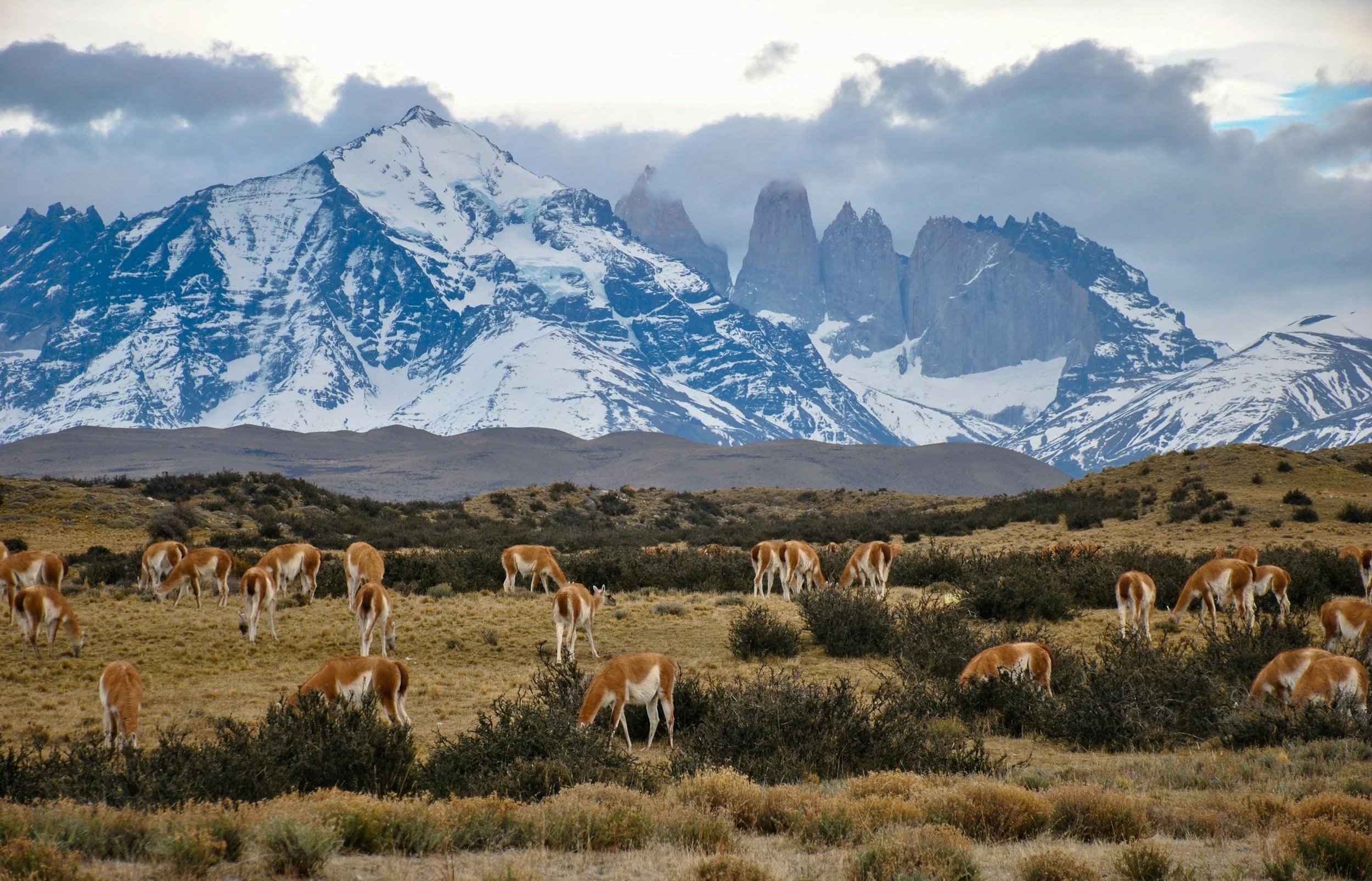
This is where Chile really stands out. Patagonia is known for its mountains, glaciers, lakes, and national parks, with Torres del Paine being the main highlight. It’s less about cities and more about landscapes, wide open space, and that “this doesn’t feel real” kind of scenery.
Most trips are based around exploring Torres del Paine National Park, where you’ll find granite peaks, bright blue lakes, and glaciers fed by the Southern Patagonia Ice Field. You don’t need to be an experienced hiker to enjoy it either, there are plenty of viewpoints and guided options that make it accessible without doing multi-day treks.
If you want to see the highlights without overplanning, you can join a Torres del Paine day tour from Puerto Natales, get out on the water with sea kayaking in Patagonia, or do something completely different like a penguin tour to Magdalena and Marta Islands, where you can see thousands of Magellanic penguins in their natural habitat.
Weather here is unpredictable and changes quickly, even in summer. It’s generally cool year-round with strong winds, so you’ll need to be flexible with plans. Most people visit between December and February, but shoulder seasons can be quieter if you’re happy to take the risk on conditions.
Plan for at least 3–5 days in Patagonia. It’s one of those places that takes time, but it’s easily one of the most memorable parts of Chile.
Rapa Nui (Easter Island)
Rapa Nui, also known as Easter Island, is one of the most remote inhabited islands in the world, sitting over 3,500km off the coast of mainland Chile. It’s famous for its Moai statues, but the experience goes beyond just seeing them, it’s about the landscapes, history, and how isolated the island feels.
Across the island, you’ll find nearly 1,000 Moai statues, carved by the Rapa Nui people between around 1250 and 1500 to represent ancestors and important figures. The main sites include Ahu Tongariki, the largest platform with 15 Moai lined up along the coast, Rano Raraku, the quarry where hundreds of statues remain in different stages of completion, and Anakena Beach, where Moai sit against white sand and clear water.
This is one of those places where guided tours really help you understand what you’re seeing. You can explore the main archaeological sites on a full-day Rapa Nui highlights tour, watch the light change across the island on a sunset tour over Rapa Nui, explore lava tunnels on a cave and underground tour, or do something completely different like a scuba diving experience around the island.
Rapa Nui is part of a protected UNESCO World Heritage Site, with most of the island covered by Rapa Nui National Park. You’ll need a park ticket to visit the main sites, and many areas can only be accessed with a guide.
If you’re planning to visit Rapa Nui, you’ll need to fly into Mataveri International Airport (IPC), located right next to Hanga Roa. Flights usually connect via Santiago and take around 4.5 hours. Browse flights to Easter Island (Rapa Nui) to compare routes and prices.