Malaysia Travel Guide: Culture, Cities and What to Expect
Malaysia is one of those places that feels easy to travel, but still full of contrast. You’ve got modern cities, tropical islands, dense rainforest, and a mix of cultures that shape everything from the food to the architecture. It’s not just one type of trip, and that’s what makes it so interesting.
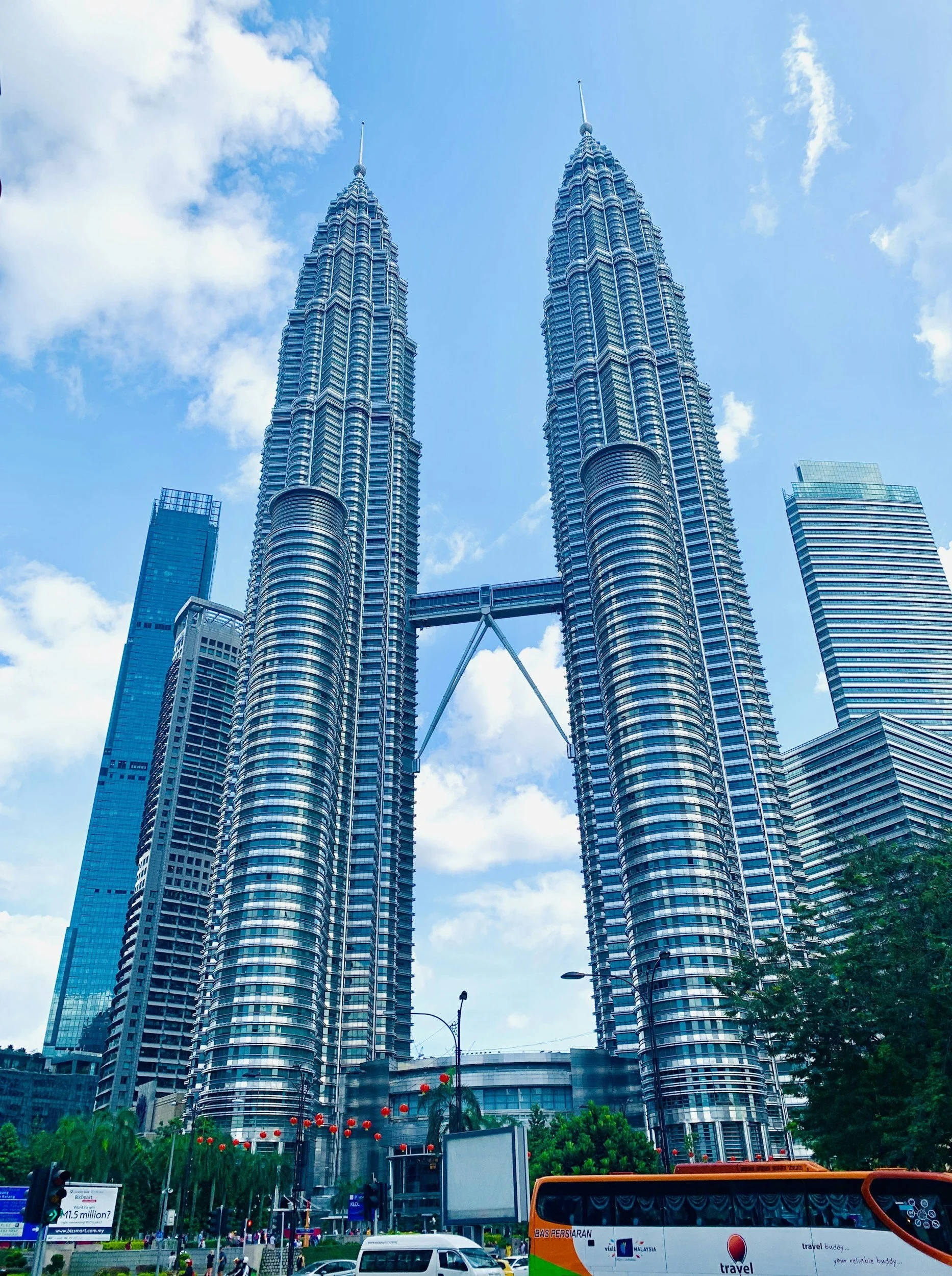
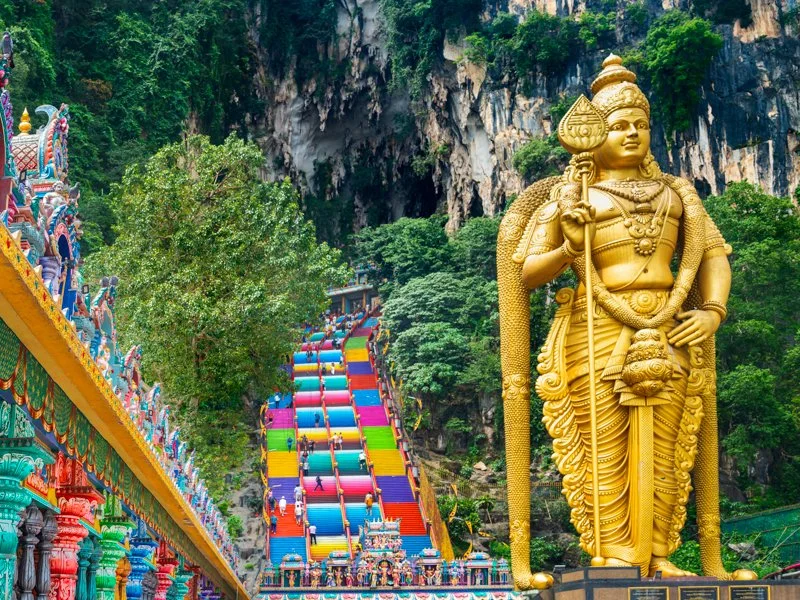
Kuala Lumpur is usually where most trips begin. It’s a fast-paced, modern city with skyline views, street food, and cultural landmarks all close together. Experiences like a Kuala Lumpur city tour or a Batu Caves and cultural tour are an easy way to get your bearings and see a mix of the city and surrounding highlights.
Penang offers a completely different feel. It’s slower, more cultural, and known for its food scene, heritage streets, and temples. If you’re spending time there, something like a Penang city and temple tour is a good way to explore beyond just the main streets.
If you head to Malaysian Borneo, places like Kota Kinabalu open up a more nature-focused side of the country. Rainforests, rivers, and wildlife are a big part of the experience here. Tours like a Bongawan River cruise with proboscis monkeys and fireflies give you a completely different perspective compared to the mainland.
One of the biggest highlights of Malaysia is the mix of cultures. Malay, Chinese, and Indian influences all come together, which you see most clearly in the food, festivals, and everyday life. It’s one of the easiest places to experience that kind of diversity in a really natural way.
It’s also relatively easy to get to, with plenty of flight options from Australia. If you’re planning your trip, you can browse flights to Malaysia here.
Malaysia suits travellers who want a bit of everything. Cities, culture, food, nature, and beaches, all in one trip without needing to travel too far between places.
Jump to: Overview • Weather • Travel Tips • Things to Do • Kuala Lumpur • Islands • Penang • Borneo • Culture & Day Trips • History
Weather & Best Time to Visit Malaysia
Malaysia has a tropical climate, which means it’s warm and humid year-round, with a mix of sunshine and regular rain. The weather doesn’t follow the same clear-cut seasons you might expect elsewhere, and conditions can vary depending on which part of the country you’re in.
The best time to visit generally depends on the region. On the west coast (including Kuala Lumpur and Penang), the driest months are usually from December to March, while the east coast (including the Perhentian Islands and Tioman) is best from March to October.
Rain is part of travelling in Malaysia, especially during the monsoon seasons. The west coast tends to get short, heavy downpours that pass quickly, while the east coast can experience more consistent rain and rougher seas between November and February, when some islands and resorts close.
Despite this, Malaysia is a year-round destination. Even in wetter months, you’ll still get plenty of sunshine between storms, and landscapes are at their most lush and green.
Temperatures stay fairly consistent, usually between 25–32°C, with high humidity. Light, breathable clothing is essential, along with something for the rain. It’s less about avoiding bad weather and more about understanding how it shifts depending on where you are.
| Season | Sep – Nov 🌧️ | Dec – Feb 🌦️ | Mar – May ☀️ | Jun – Aug 🌤️ |
|---|---|---|---|---|
| Weather | Hot (25–32°C) More rain, humid |
Hot (25–32°C) Mixed sun & rain |
Hot (26–33°C) Drier, sunny |
Hot (25–32°C) Generally stable |
| Crowds | Lower | Higher (holiday season) |
Moderate | Moderate |
| Prices | 💰💰 | 💰💰💰 | 💰💰 | 💰💰 |
| Best For | Lush landscapes Fewer tourists |
West coast travel City trips |
Best overall weather Island hopping (east coast) |
Beaches & islands Outdoor exploring |
Practical Tips for Visiting Malaysia
Malaysia is relatively easy to travel, but it’s spread across two main regions: Peninsular Malaysia and Malaysian Borneo. Most trips combine a few key places like Kuala Lumpur, Penang, and nearby islands, rather than trying to see everything at once.
If you’re heading further, Malaysian Borneo offers a completely different experience, with rainforest, wildlife, and a more remote feel compared to the mainland. The country is split by the South China Sea, so flying between regions is common and often the easiest option.
One of the biggest highlights is how many islands there are. From popular spots like Langkawi to quieter places like the Perhentian Islands, you’ve got everything from luxury resorts to simple beach stays. Just keep in mind that some east coast islands are seasonal and may close during monsoon periods.
Language is one of the easiest parts of travelling here. Malay (Bahasa Malaysia) is the official language, but English is widely spoken, especially in cities, tourist areas, and hotels. You’ll also hear Chinese dialects and Tamil, reflecting the country’s mix of cultures.
Malaysia is a predominantly Muslim country, and Islam is the official religion. In most tourist areas, things feel relaxed and easy, but it’s still important to be respectful. Dress modestly when visiting religious sites, remove your shoes when required, and be mindful during times like Ramadan.
Getting around is straightforward. Domestic flights are common and well-connected between major cities and regions, making it easy to cover more ground. You can browse flights around Malaysia here. Public transport and ride apps like Grab also make getting around cities simple.
Costs are generally affordable compared to many destinations, but popular islands and resorts can be more expensive. It’s worth booking ahead during peak periods, especially around holidays.
What stands out most is how welcoming and multicultural it feels. The mix of Malay, Chinese, and Indian influences shapes everything from the food to daily life, and it’s one of the easiest places to experience that kind of diversity as a traveller.
| Quick Facts | |
|---|---|
| Capital | Kuala Lumpur |
| Currency | Malaysian Ringgit (MYR). Cards are widely accepted in cities and tourist areas, but cash is useful for markets, smaller shops, and local transport. |
| Language | Malay (Bahasa Malaysia) is the official language. English is widely spoken, along with Chinese dialects and Tamil. |
| Getting Around | Getting around is easy. Domestic flights are common for longer distances, while buses, trains, and ride apps like Grab make city travel simple. |
| Power Plugs | Type G plugs (same as the UK). A travel adapter is recommended. |
| Best Time to Visit | Year-round destination. West coast is best from December to March, while east coast islands are best from March to October. |
| Culture Tip | Malaysia is predominantly Muslim. Dress modestly at religious sites, remove shoes when required, and be respectful during Ramadan. |
| Good to Know | Malaysia is multicultural, with Malay, Chinese, and Indian influences shaping food, culture, and daily life. |
| Top Experiences |
Kuala Lumpur, Penang, Langkawi, and Malaysian Borneo are the main highlights. Browse Malaysia tours & experiences |
| Average Cost |
$80–$300+ AUD per night depending on accommodation style. Luxury resorts and island stays can be higher, while cities offer great value options. Costs vary by region, season, and level of comfort. |
Things to Do in Malaysia
Malaysia is built around a mix of cities, culture, islands, and rainforest rather than one single highlight. Most trips combine a few key regions, with each place offering something completely different.
Kuala Lumpur
Kuala Lumpur is where most trips begin. It’s modern, busy, and full of contrast, with skyscrapers, street food, and cultural landmarks all close together.
It’s a good place to get your bearings, and experiences like a Ten Wonders of Kuala Lumpur tour give you a quick overview of the city and its highlights.
Penang
Penang offers a completely different feel. It’s slower, more cultural, and known for its food, street art, and heritage architecture.
If you want to explore beyond just wandering, a Penang city and temple tour is an easy way to see more of the island.
Malaysia’s Islands
Malaysia’s islands are a big part of the experience. From Langkawi to the Perhentian Islands, you’ve got everything from luxury resorts to quiet, simple beach stays.
It’s more about slowing down here. Snorkelling, beach time, and island hopping are the main draw, and it’s a nice contrast to the cities.
Malaysian Borneo
Malaysian Borneo is where you’ll find a more nature-focused side of the country. Think rainforest, wildlife, and rivers, with a completely different feel to the mainland.
Experiences like a Bongawan River cruise with proboscis monkeys and fireflies or a Bako National Park tour from Kuching give you a completely different perspective of Malaysia.
Culture & Day Trips
Cultural sites and day trips are easy to add in, especially from Kuala Lumpur. Places like Batu Caves, temples, and historic areas give you a better feel for the country beyond the cities.
You can also mix cities into your itinerary with tours like this Kuala Lumpur city tour, depending on how you’re travelling.
A Brief History of Malaysia
Malaysia has a long and layered history shaped by trade, migration, and colonial influence. Its location along key maritime routes made it an important hub for traders from China, India, and the Middle East for centuries, which is a big part of why the culture feels so diverse today.
Early Malay kingdoms and sultanates developed across the region, with Islam becoming a major influence from around the 12th century. You still see that today in the country’s traditions, architecture, and daily life.
From the 16th century, European powers arrived, starting with the Portuguese, followed by the Dutch, and later the British. The British had the biggest long-term impact, shaping infrastructure, trade systems, and bringing in large numbers of Chinese and Indian workers, which contributed to Malaysia’s multicultural identity.
Malaysia gained independence from Britain in 1957, forming the Federation of Malaya, before becoming Malaysia in 1963. Since then, it has grown into a modern, stable country while still holding onto its cultural roots.
Today, that mix of influences is one of the most interesting parts of travelling here. You can see it in the food, the languages spoken, and the way different cultures exist side by side.
Before You Go
Sorting a few basics before you travel makes a big difference once you arrive. Having mobile data ready to go and travel insurance in place is one of those things you don’t think about until you need it.